Methodology
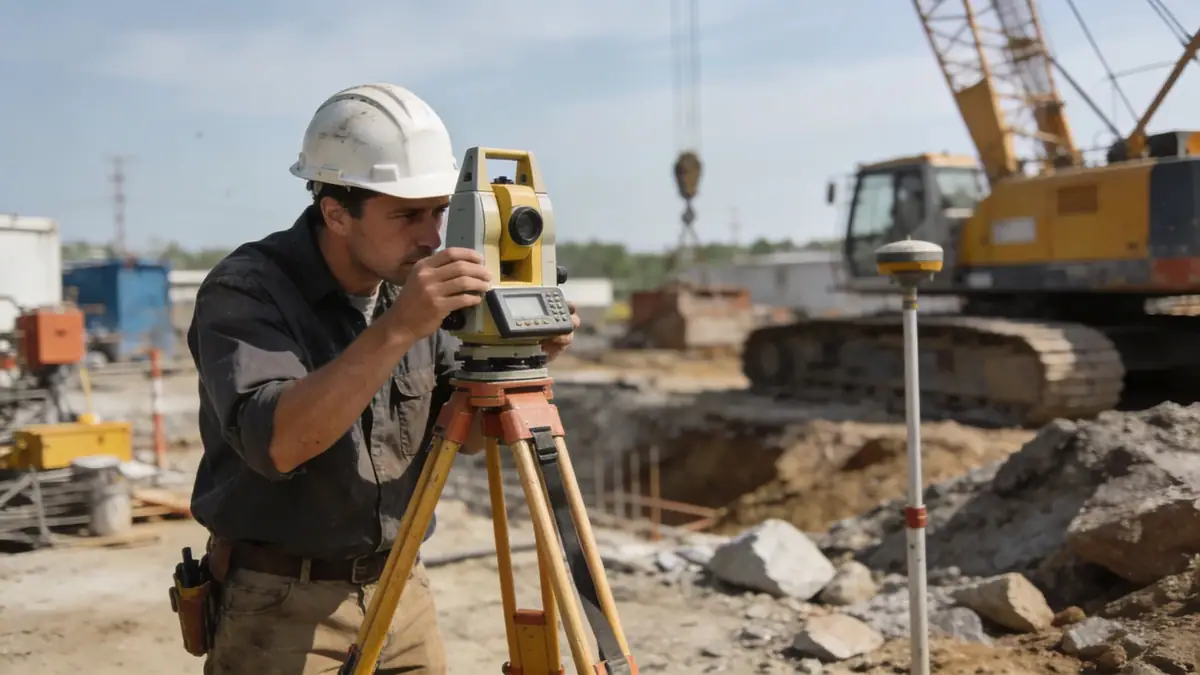
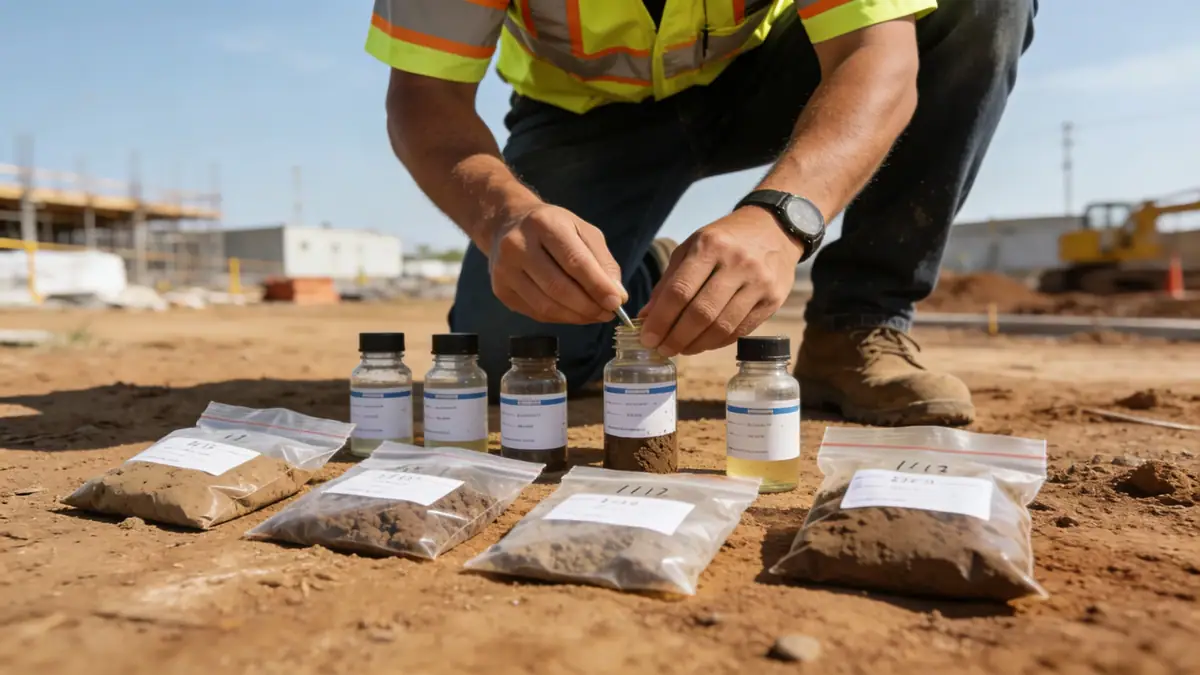
Our methodology for soil mechanics laboratory projects in Chicago follows a systematic approach tailored to the area's glacial geology. We begin with a thorough review of existing geological maps and nearby borehole records to plan efficient sampling campaigns. Field investigations include standard penetration testing (SPT) in accordance with ASTM D1586, with sampling intervals typically every 1.0 to 1.5 meters to capture stratigraphic changes. Laboratory analyses focus on index properties, strength, and consolidation characteristics using calibrated equipment. All results are synthesized into a comprehensive geotechnical report that addresses bearing capacity, settlement, and seismic design parameters. For more details, visit our soil mechanics laboratory page.
Reference Technical Parameters
| Parameter | Reference Value |
|---|---|
| Predominant soil type | Glacial till (hard clay/silt) over lacustrine clay |
| Maximum seismic acceleration (PGA) | 0.10–0.20 g (ASCE 7-16, Site Class D) |
| Typical groundwater level | 3–8 ft below ground surface |
| Bedrock depth | 60–100 ft (dolomite/limestone) |
| Typical N60 range (SPT) | 10–40 blows/ft in till; 2–15 blows/ft in clay |
Local Considerations — Chicago
Chicago's subsurface is dominated by glacial till and lacustrine clay deposits, with high groundwater levels often encountered within 3 to 8 feet. The region is in a moderate seismic zone per ASCE 7-16, requiring site-specific response spectra for certain structures. Contrasting neighborhoods such as the Loop (deep clay) versus the northern suburbs (shallower till) demand tailored drilling and sampling depths. Typical projects include high-rise foundations requiring deep caissons or pile groups, and residential developments needing spread footings with slab-on-grade. Our team integrates these local factors into every soil mechanics laboratory study. Explore our granulometry & atterberg service for detailed soil classification.
Request a Quote
Our team reviews your project and issues an initial report at no cost.
Or write us directly at [email protected]
Services in Chicago
Locations covered in Chicago
Applicable Standards
- ASTM D1586 (Standard Penetration Test)
- ASCE 7-16 (Minimum Design Loads for Buildings)
- City of Chicago Building Code (Title 14B)
- ASTM D2487 (Unified Soil Classification System)
- ASTM D422 (Particle-Size Analysis)
Frequently Asked Questions
What types of soil are commonly found in Chicago?
Chicago's soils are primarily glacial till (hard, dense mixture of clay, silt, sand, and gravel) overlain by soft to medium stiff lacustrine clay from ancient Lake Chicago. These deposits can vary significantly in thickness and properties across the metropolitan area.
Is seismic design required for structures in Chicago?
Yes, per ASCE 7-16, Chicago is in Seismic Design Category B to C, with peak ground accelerations of 0.10–0.20 g. Site-specific response spectra are required for certain occupancy categories and soil profiles, making a soil mechanics laboratory evaluation essential for compliance.
Are soil mechanics laboratory studies mandatory for construction in Chicago?
The City of Chicago Building Code requires geotechnical investigations for most building permits, particularly for structures with deep foundations or in areas with known compressible soils. A professional geotechnical report must be submitted as part of the permit application.