Methodology
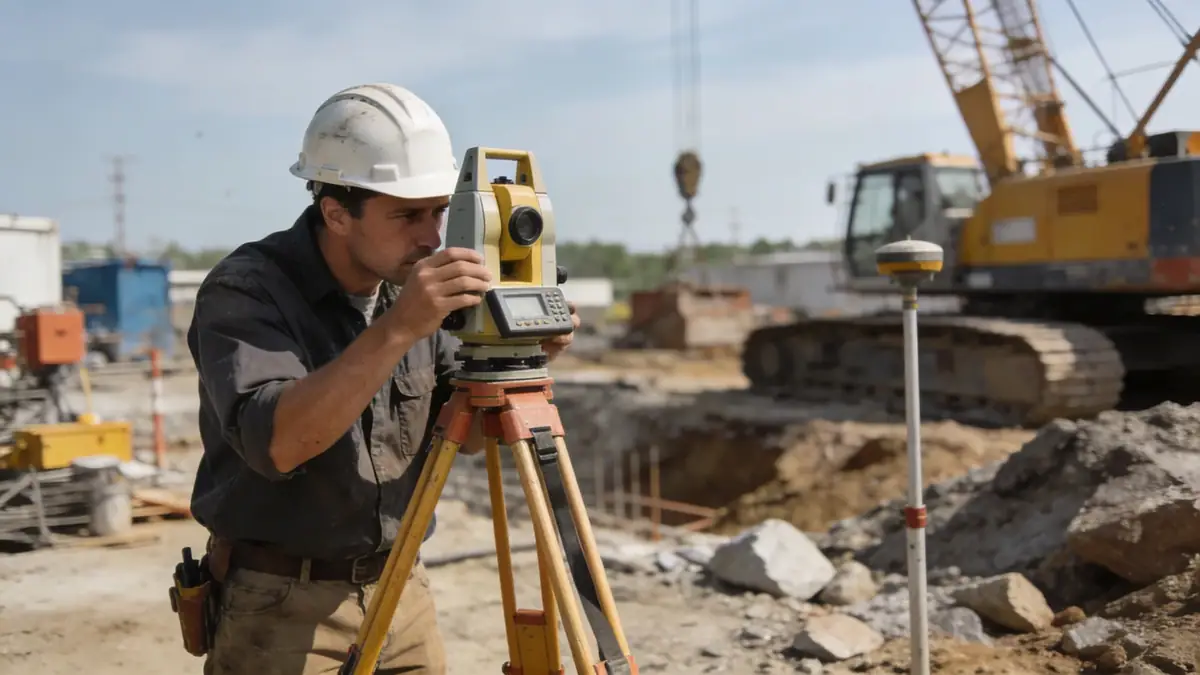
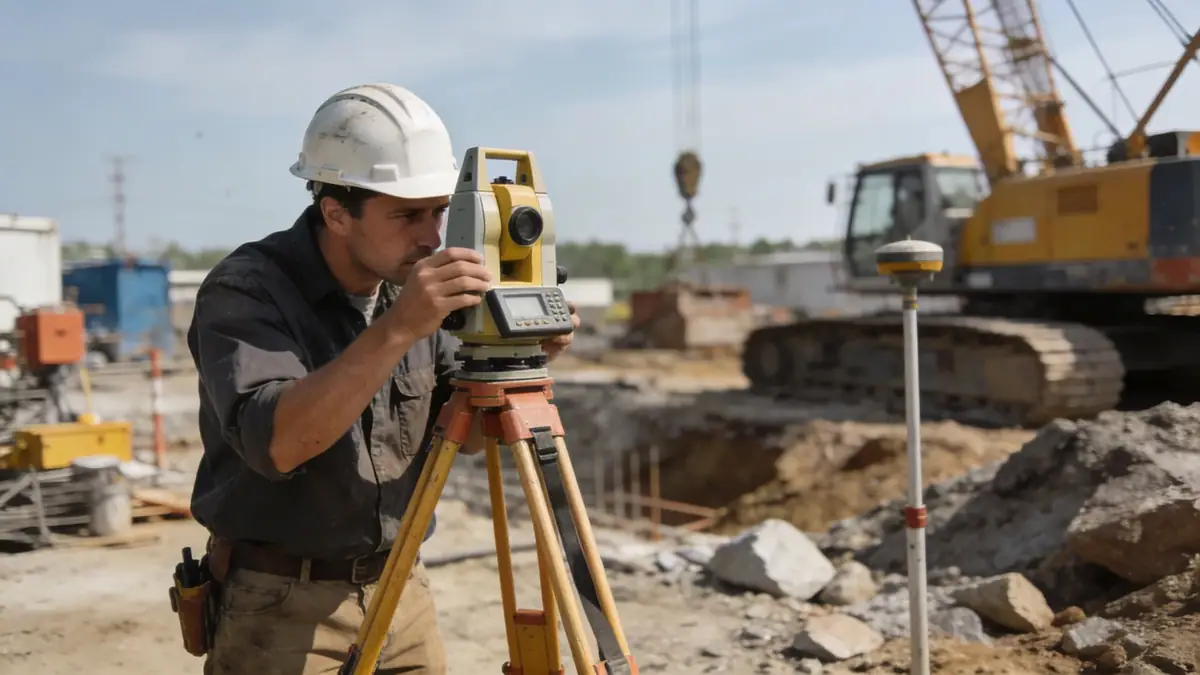
Our methodology for soil mechanics laboratory investigations in St Louis follows a systematic process. We begin with a review of existing geological maps and borehole records to understand the subsurface stratigraphy. Field exploration includes standard penetration testing (SPT) per ASTM D1586, with sampling intervals typically every 1.5 m to capture variations in soil type and strength. Samples are transported to our laboratory for classification tests, including granulometry (sieve and hydrometer) and Atterberg limits. For projects requiring compaction control, we perform soil mechanics laboratory tests such as Proctor (ASTM D698) and CBR. Our team ensures all testing adheres to applicable ASTM standards and local building codes.
Reference Technical Parameters
| Parameter | Reference Value |
|---|---|
| Predominant soil type | Silty clay and clayey silt with sand lenses, alluvial deposits |
| Maximum seismic acceleration (PGA) | 0.15g to 0.25g (ASCE 7-16, Site Class D) |
| Typical groundwater level | 3 to 8 meters below ground surface, varies with season |
| Bedrock depth | 10 to 30 meters (limestone/shale bedrock) |
| Typical N60 range (SPT) | 4 to 30 blows/0.3m, depending on depth and location |
Local Considerations — St Louis
St Louis's geology is dominated by Mississippi River alluvium, with loess deposits on higher terraces. Seismic design follows ASCE 7-16, with peak ground accelerations up to 0.25g for Site Class D. Groundwater levels are shallow near the river, requiring dewatering considerations for excavations. In contrast, areas like Clayton have deeper bedrock and stiffer clays. Typical projects include high-rise foundations in downtown, residential subdivisions in suburban areas, and levee improvements. Our team also supports projects requiring granulometry & atterberg testing for fine-grained soils. For larger developments, we coordinate with our soil mechanics laboratory en Chicago to provide consistent regional support.
Request a Quote
Our team reviews your project and issues an initial report at no cost.
Or write us directly at [email protected]
Services in St Louis
Applicable Standards
- ASTM D1586 (Standard Penetration Test)
- ASCE 7-16 (Minimum Design Loads for Buildings, including seismic)
- ASTM D698 (Standard Proctor Compaction)
- ASTM D2487 (Unified Soil Classification System)
Frequently Asked Questions
What are the typical soil types encountered in St Louis?
St Louis soils are primarily alluvial deposits from the Mississippi River, including silty clays, clayey silts, and sandy lenses. Loess deposits are common on higher terraces. Glacial tills are present in northern areas, while limestone and shale bedrock underlies much of the region.
Are soil mechanics laboratory studies mandatory for construction in St Louis?
While not mandated by state law for all projects, most municipalities in St Louis County and the City of St Louis require geotechnical investigations for building permits, especially for commercial or multi-family structures. The local building code often references ASCE 7-16 seismic provisions, making soil characterization essential.
How does seismic activity affect soil testing in St Louis?
St Louis is in a moderate seismic zone due to the New Madrid Seismic Zone. Soil mechanics laboratory testing must evaluate liquefaction potential and dynamic soil properties. SPT N-values and shear wave velocity measurements are used to classify site class per ASCE 7-16, influencing foundation design.