Methodology
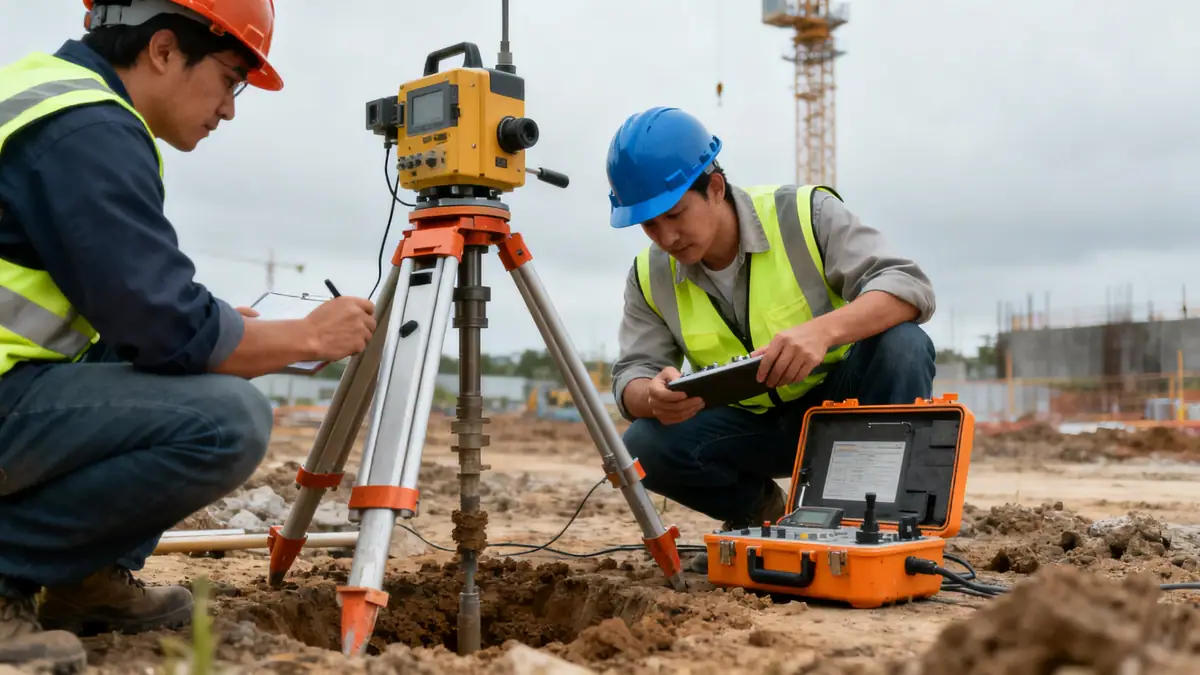
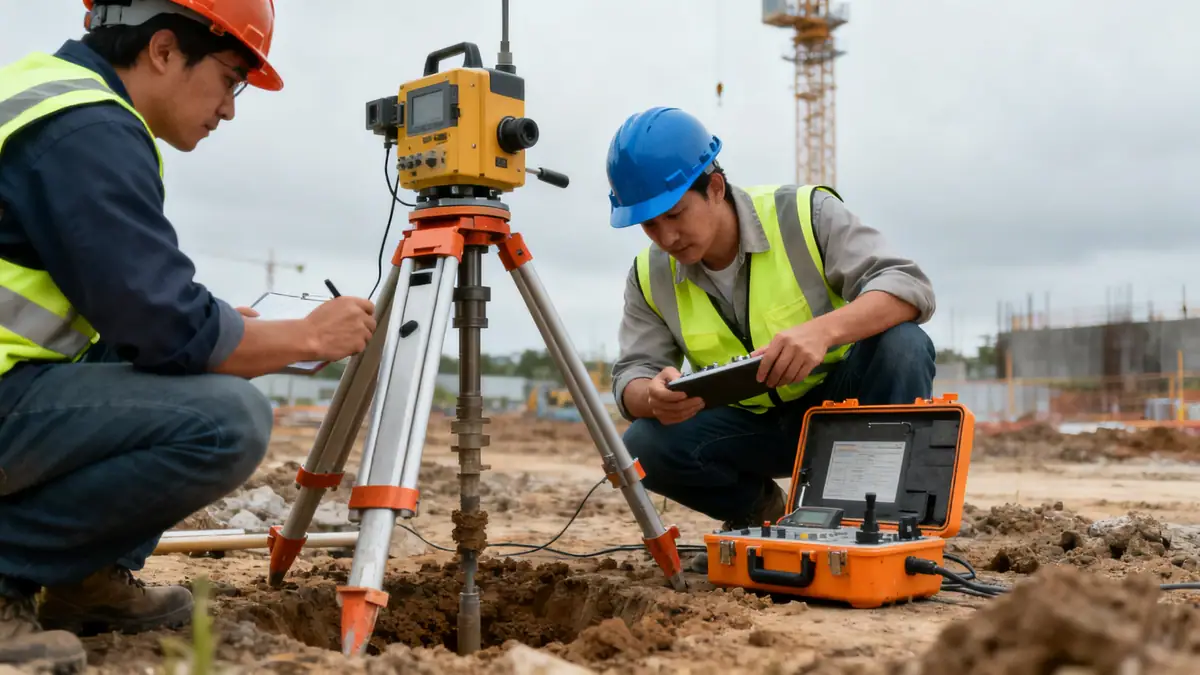
Our approach to soil mechanics laboratory in Seattle follows a systematic framework that integrates field investigation with advanced laboratory testing. We emphasize standard penetration testing (SPT) per ASTM D1586, with sampling intervals typically every 1.0 to 1.5 meters, reaching depths of 8–15 meters for residential projects and up to 30 meters for industrial structures. Our soil mechanics laboratory procedures include grain size analysis, Atterberg limits, and compaction testing to characterize the variable glacial and alluvial deposits prevalent in the Puget Sound region. This data informs seismic site classification and foundation recommendations tailored to local conditions.
Reference Technical Parameters
| Parameter | Reference Value |
|---|---|
| Predominant soil type | Glacial till, alluvium, and fill |
| Maximum seismic acceleration (PGA) | 0.3–0.5g (ASCE 7-22) |
| Typical groundwater level | 2–6 m below grade |
| Bedrock depth | 10–50 m (variable) |
| Typical N60 range | 20–60 blows/ft (glacial till) |
Local Considerations — Seattle
Seattle's geology is dominated by glacial till, Vashon recessional outwash, and recent alluvium, often underlain by the Seattle Formation. The high water table, typically 2–6 meters below grade, poses challenges for excavation and foundation drainage. Seismic hazards are significant, with peak ground accelerations up to 0.5g per ASCE 7-22. Neighborhoods like Capitol Hill and Queen Anne exhibit stiff glacial deposits, while the Duwamish River valley and industrial areas south of downtown feature soft alluvial soils requiring deeper foundations or ground improvement. Our team has addressed these conditions through comprehensive granulometry & atterberg testing and site-specific seismic evaluations.
Request a Quote
Our team reviews your project and issues an initial report at no cost.
Or write us directly at [email protected]
Services in Seattle
Locations covered in Seattle
Applicable Standards
- ASTM D1586 (Standard Penetration Test)
- ASCE 7-22 (Minimum Design Loads for Buildings and Other Structures)
- IBC 2021 (International Building Code)
- Seattle Building Code (SBC 2018)
Frequently Asked Questions
What soil types are common in Seattle?
Seattle's soils are predominantly glacial till, outwash sands and gravels, and alluvial deposits. Glacial till is dense and suitable for shallow foundations, while alluvial soils in valleys require deeper foundations or ground improvement.
How does seismic risk affect soil mechanics testing in Seattle?
Seattle lies in a high seismic zone. Site-specific seismic evaluations per ASCE 7-22 require determination of site class (A–F) via shear wave velocity or SPT N-values, influencing foundation design and liquefaction potential.
Is a geotechnical investigation mandatory for construction in Seattle?
Yes, for most commercial and multifamily projects. The Seattle Building Code requires a geotechnical report addressing soil bearing capacity, settlement, seismic site class, and groundwater conditions.