Methodology
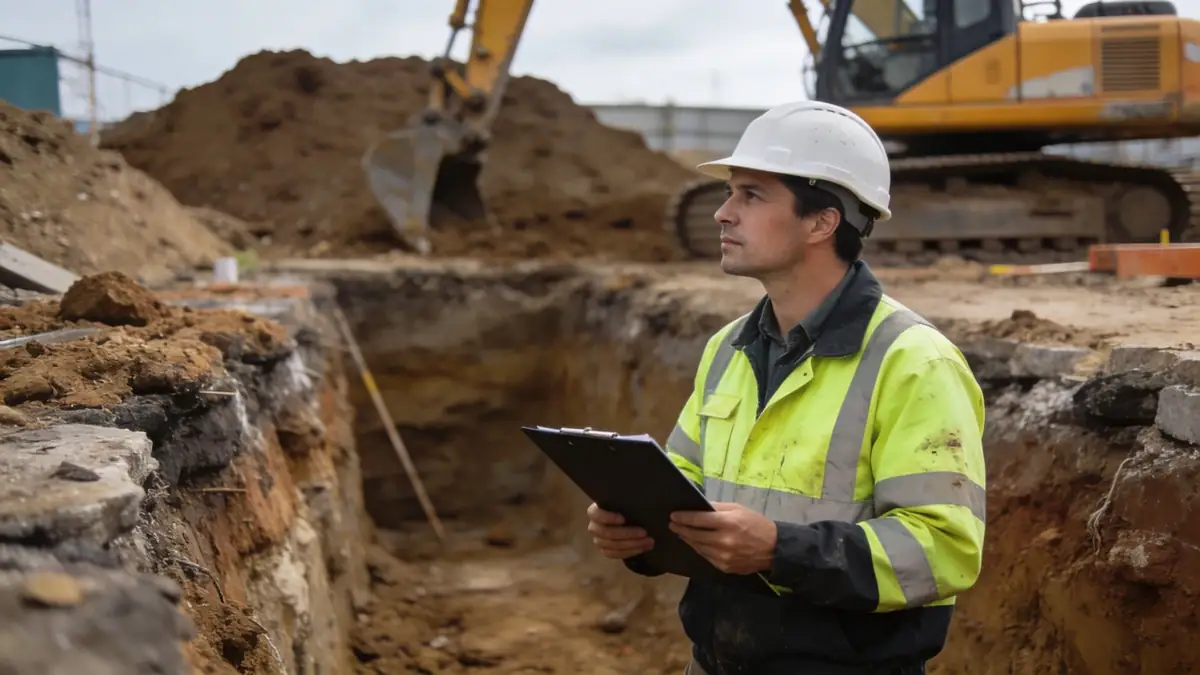
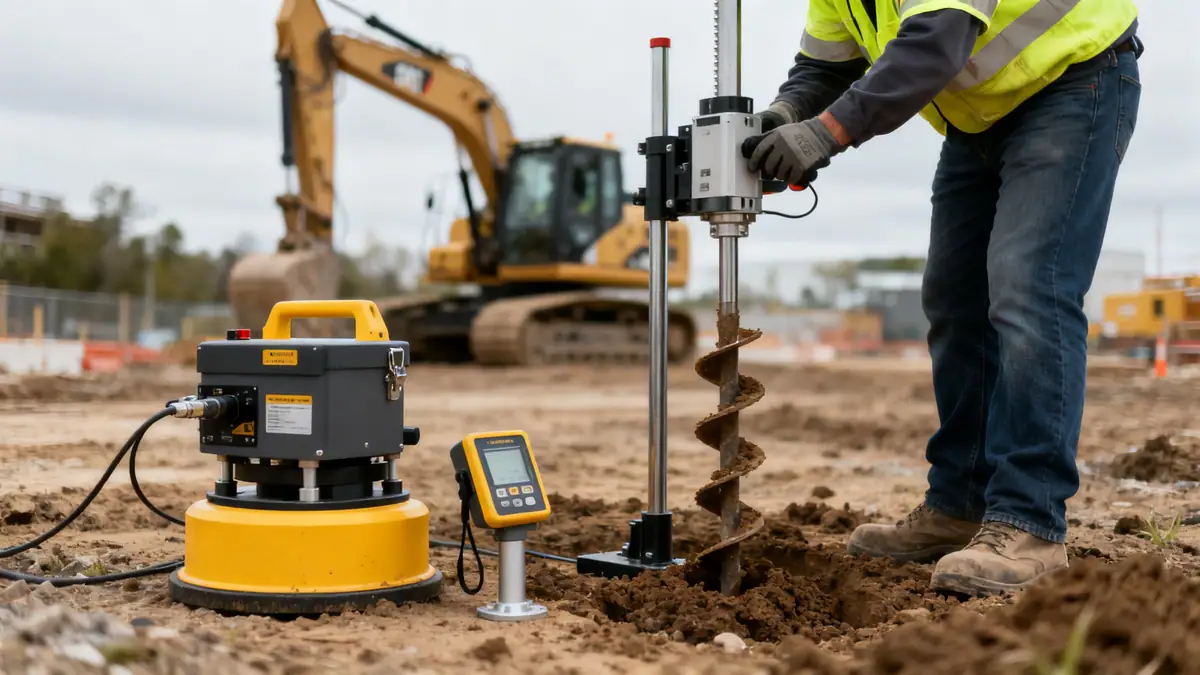
Our methodology for soil mechanics laboratory investigations in Boise follows a phased approach tailored to the region's alluvial and fluvial geology. Initial site reconnaissance and historical review inform the exploration plan, which typically includes a combination of Standard Penetration Testing (SPT) per ASTM D1586 and thin-walled tube sampling. Boreholes are advanced to depths sufficient to penetrate fill and soft sediments, often reaching 8–15 meters for residential structures and up to 30 meters for industrial facilities. Samples are transported to our accredited laboratory for classification, strength, and consolidation testing. Data synthesis includes development of soil profiles, groundwater conditions, and engineering parameters for foundation and seismic design. This systematic process, documented in our soil mechanics laboratory reports, provides clients with defensible data for regulatory submissions and construction decisions.
Reference Technical Parameters
| Parameter | Reference Value |
|---|---|
| Predominant soil type | Alluvial sands, silts, and gravels with localized clay lenses |
| Maximum seismic acceleration (PGA) | 0.15–0.20 g (ASCE 7-16 Site Class D) |
| Typical groundwater level | 2–5 meters below grade in valley floor areas; deeper in foothills |
| Bedrock depth | 30–50 meters in central Boise; shallower (5–15 m) in eastern foothills |
| Typical N60 range (SPT) | 10–30 blows/ft in sandy soils; 5–15 blows/ft in soft silts |
Local Considerations — Boise
Boise's subsurface conditions vary significantly across its neighborhoods. The downtown core and Benchmark area feature deep alluvial deposits with intermittent clay layers and groundwater at 2–4 meters, requiring dewatering and deep foundations for basements. In the Boise Foothills, shallow basalt and weathered granite bedrock at 5–15 meters allows spread footings but presents excavation challenges. The West Bench and Southwest Ada County exhibit silty sands and gravels with moderate bearing capacity. Seismic site classification per ASCE 7 typically yields Site Class D or C depending on soil stiffness. Our team integrates these local nuances into every project, referencing our granulometry & atterberg analyses for accurate soil classification. For large-scale developments, we recommend phased investigations to capture spatial variability. A link to our soil mechanics laboratory en Seattle provides additional regional context for multi-site clients.
Request a Quote
Our team reviews your project and issues an initial report at no cost.
Or write us directly at [email protected]
Services in Boise
Applicable Standards
- ASTM D1586 (Standard Penetration Test)
- ASCE 7-16 (Minimum Design Loads for Buildings)
- IBC 2021 (International Building Code)
- Idaho Code Title 39 (Environmental Quality)
Frequently Asked Questions
What are the typical soil types encountered in Boise?
Boise's soils are predominantly alluvial sands, silts, and gravels deposited by the Boise River. In the foothills, weathered basalt and granite are common. Clay lenses may be present in low-lying areas, affecting permeability and consolidation behavior. Our laboratory characterizes these soils to support foundation and seismic design.
Does Boise have specific seismic design requirements?
Yes. Boise lies in a moderate seismic zone with peak ground accelerations (PGA) of 0.15–0.20 g per ASCE 7-16. Site-specific soil amplification factors must be considered. Our geotechnical reports include seismic site classification and liquefaction potential assessments to ensure compliance with IBC 2021.
Are soil mechanics studies mandatory for construction in Boise?
While not universally mandated, most building permits for commercial or multi-family structures require a geotechnical report. Single-family homes on stable soils may be exempt, but banks and insurers often request soil testing. Our firm provides the necessary documentation to meet regulatory and lender requirements.