Methodology
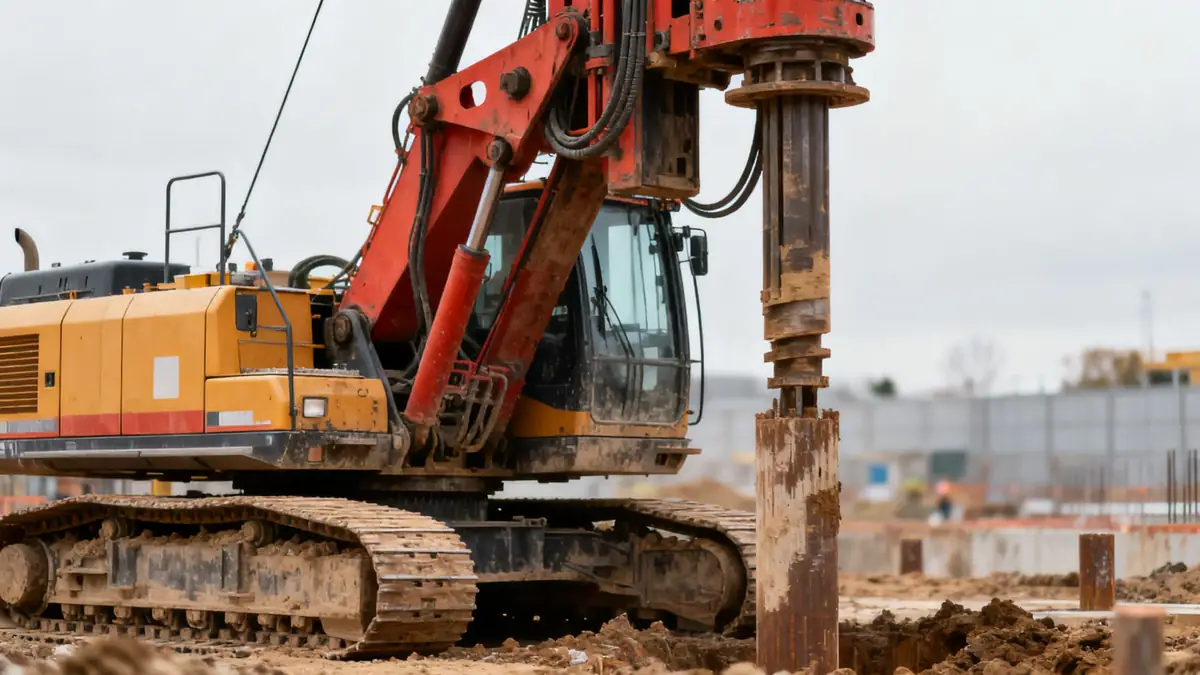
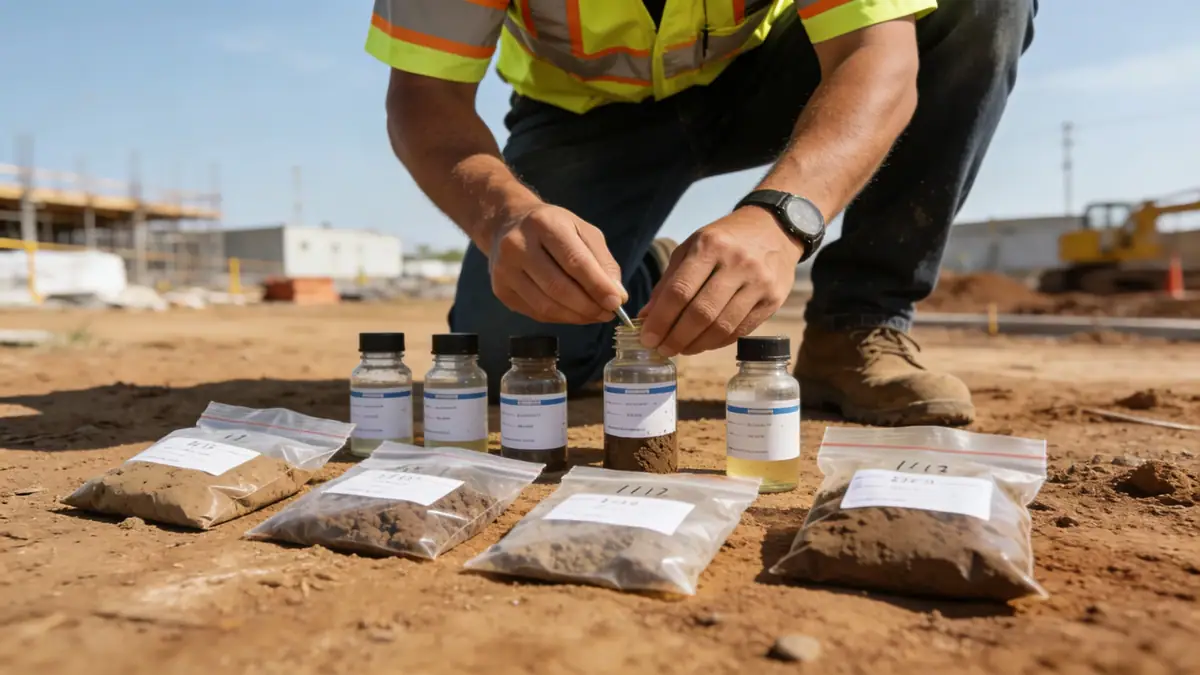
Our approach as a soil mechanics laboratory in Phoenix begins with a thorough review of existing geologic maps and subsurface data. We then conduct field investigations using standard penetration testing (SPT) per ASTM D1586, with sample intervals typically every 1.5 meters to depths of 15–30 meters depending on project scale. In the laboratory, we perform index property tests, including natural moisture content and Atterberg limits, to classify soils. This methodology ensures that our recommendations are grounded in site-specific conditions, from the sandy gravels of the alluvial fans to the clay-rich layers of the Salt River floodplain. For more details, visit our soil mechanics laboratory page.
Reference Technical Parameters
| Parameter | Reference Value |
|---|---|
| Predominant soil type | Sandy gravel (alluvial fan) and silty clay (floodplain) |
| Maximum seismic acceleration (PGA) | 0.15–0.20 g (ASCE 7-16) |
| Typical groundwater level | 10–30 m deep in most areas; shallow (1–3 m) near Salt River |
| Bedrock depth | Variable, >100 m in central Phoenix; shallower in north and east |
| Typical N60 range (SPT) | 10–30 in alluvial deposits; 5–15 in floodplain clays |
Local Considerations — Phoenix
Phoenix lies within the Basin and Range province, characterized by deep alluvial basins. The soil profile in Downtown Phoenix consists of dense sandy gravels with occasional cobbles, while the West Valley exhibits more fine-grained soils with higher plasticity. The region experiences low to moderate seismicity, with a peak ground acceleration of 0.15–0.20 g per ASCE 7. Groundwater is generally deep except near the Salt River, where shallow water tables may require dewatering. Collapsible soils are common in the alluvial fans, necessitating proper compaction or deep foundations. Our granulometry & atterberg services help identify these problematic soils.
Request a Quote
Our team reviews your project and issues an initial report at no cost.
Or write us directly at [email protected]
Services in Phoenix
Locations covered in Phoenix
Applicable Standards
- ASTM D1586 (Standard Penetration Test)
- ASCE 7-16 (Minimum Design Loads and Associated Criteria for Buildings)
- IBC 2021 (International Building Code)
- ASTM D2487 (Unified Soil Classification System)
Frequently Asked Questions
What are the typical soil types encountered in Phoenix?
Phoenix soils vary from sandy gravels and cobbles in alluvial fan deposits to silty clays and sands in the Salt River floodplain. Collapsible soils and expansive clays are also present in specific areas, requiring careful geotechnical evaluation.
Is seismic design required in Phoenix?
Yes, Phoenix is in a low to moderate seismic zone. Per ASCE 7-16, the maximum considered earthquake (MCE) spectral response acceleration at short periods (Ss) ranges from 0.15 to 0.25 g, depending on site class. Site-specific studies may be needed for critical facilities.
Are geotechnical investigations mandatory for construction in Phoenix?
While not always legally required for all projects, most local jurisdictions and building codes recommend or mandate geotechnical reports for commercial buildings and subdivisions. Lenders and insurers also often require them to manage risk.