Methodology
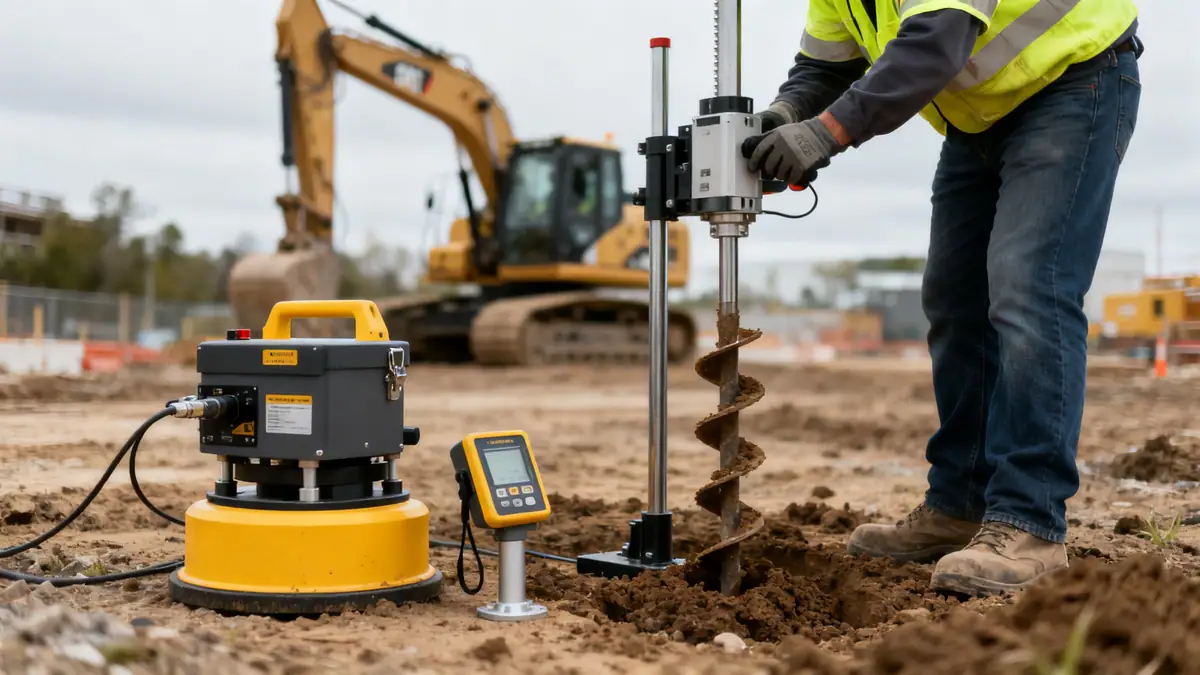
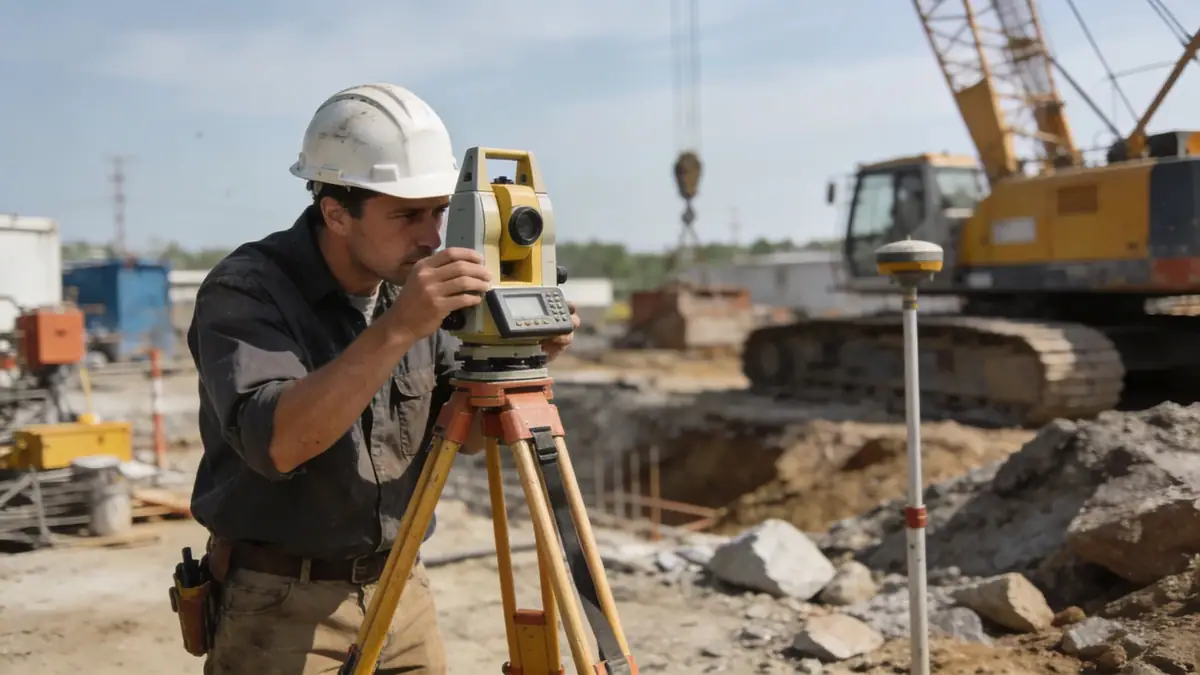
Our approach to soil mechanics laboratory in Chandler integrates systematic field investigation with comprehensive laboratory analysis. We perform standard penetration tests (SPT) per ASTM D1586 at intervals of 1.0 to 1.5 meters, reaching depths of 15 to 30 meters depending on project requirements. In cohesive soils, undisturbed Shelby tube sampling is conducted for triaxial and consolidation testing. For granular materials, we obtain disturbed samples for soil mechanics laboratory evaluations including grain size distribution and compaction characteristics. All field work follows strict safety protocols, and samples are transported to our accredited lab for detailed physical and mechanical testing.
Reference Technical Parameters
| Parameter | Reference Value |
|---|---|
| Predominant Soil Type | Silty sand (SM) and poorly graded sand (SP) with gravel |
| Maximum Seismic Acceleration (PGA) | 0.20g to 0.35g (per ASCE 7-16) |
| Typical Groundwater Level | 6 to 15 meters below surface |
| Bedrock Depth | Greater than 30 meters (deep alluvium) |
| Typical N60 Range (SPT) | 10 to 40 blows per 0.3 m |
Local Considerations — Chandler
Chandler's geology consists of deep alluvial fans and basin-fill deposits from the surrounding mountains. Soils are predominantly granular, with variable silt content and occasional clay lenses. The groundwater table fluctuates seasonally, typically encountered between 6 and 15 meters. Seismic hazard is moderate, with peak ground accelerations up to 0.35g per ASCE 7. The city's rapid growth has led to developments in former agricultural areas, where loose near-surface soils may require compaction. Our team works closely with local engineers to address these conditions. For specialized evaluations, we collaborate with our granulometry & atterberg laboratory to determine precise soil classification and plasticity characteristics.
Request a Quote
Our team reviews your project and issues an initial report at no cost.
Or write us directly at [email protected]
Services in Chandler
Applicable Standards
- ASTM D1586 (Standard Penetration Test)
- ASTM D2487 (Unified Soil Classification System)
- ASCE 7-16 (Minimum Design Loads and Associated Criteria for Buildings and Other Structures)
- International Building Code (IBC) 2021
- City of Chandler Grading and Drainage Manual
Frequently Asked Questions
What are the typical soil types found in Chandler, Arizona?
Chandler's soils are primarily granular, consisting of silty sands (SM), poorly graded sands (SP), and sandy gravels. These alluvial deposits originate from the nearby mountains and are generally non-plastic, though localized clay lenses may occur. Understanding this variability is essential for foundation design.
What seismic design considerations apply to Chandler?
Per ASCE 7-16, Chandler falls within Seismic Design Category D, with peak ground accelerations ranging from 0.20g to 0.35g. Site-specific soil response analysis is often required for critical structures. Our laboratory provides shear wave velocity measurements and cyclic testing to characterize site class.
Are geotechnical studies mandatory for construction in Chandler?
Yes, the City of Chandler requires a geotechnical report for most building permits, particularly for commercial, industrial, and multi-family residential projects. Single-family homes may also need a report if expansive soils or fill are present. Our team ensures compliance with local codes and standards.