Methodology
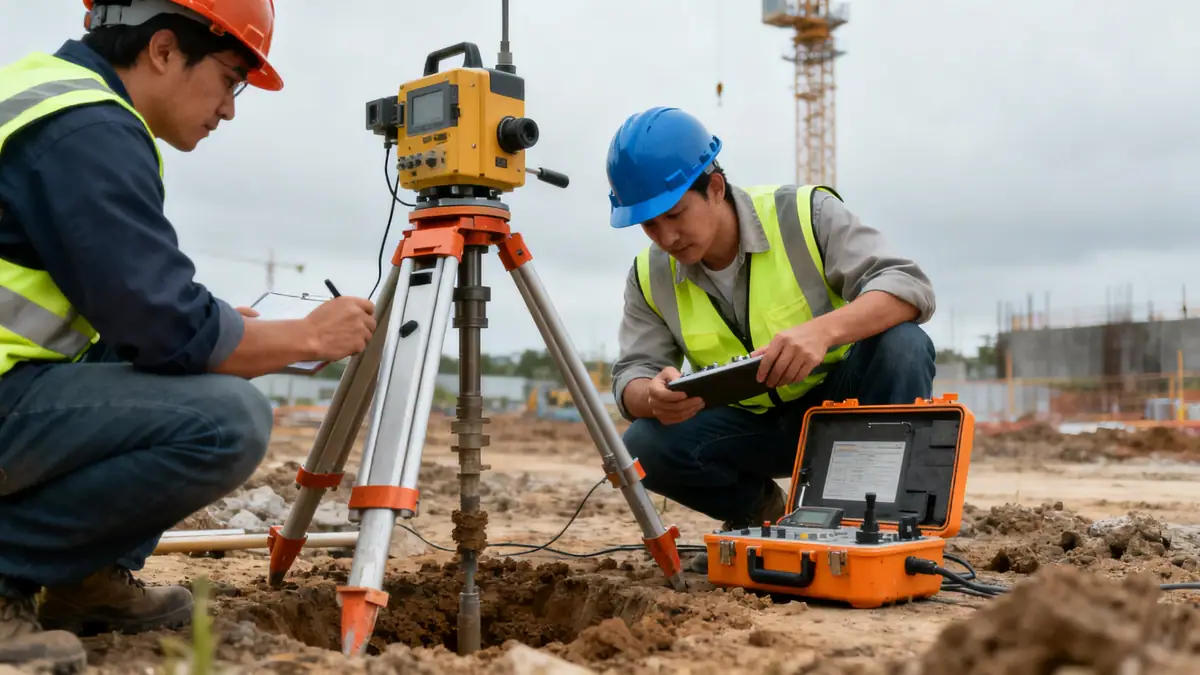
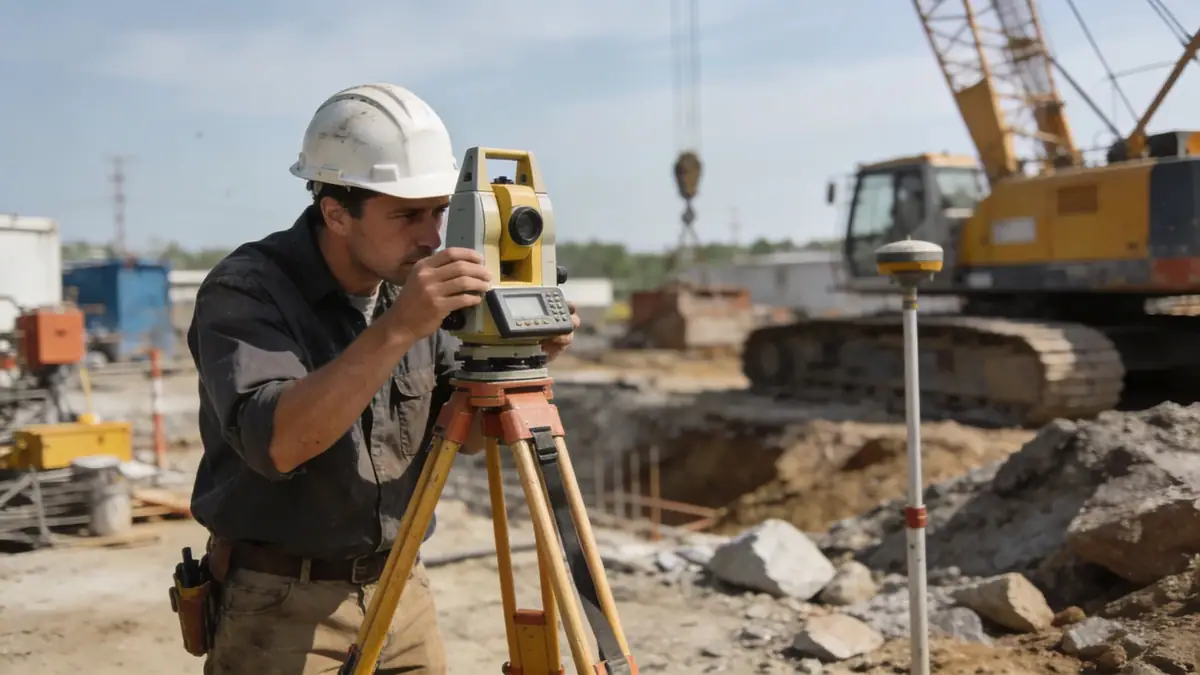
Our methodology for soil mechanics laboratory investigations in New York integrates field sampling and advanced laboratory testing in accordance with ASTM D1586 for Standard Penetration Tests and ASTM D2487 for soil classification. We retrieve undisturbed and disturbed samples using thin-wall tube samplers and split-spoon samplers, typically at 1.0–1.5 m intervals to depths of 15–30 m depending on project requirements. Laboratory testing includes moisture content, unit weight, Atterberg limits, grain size distribution, and strength parameters. For foundation design, we perform triaxial shear (ASTM D4767) and one-dimensional consolidation tests (ASTM D2435) under site-specific stress conditions. Our soil mechanics laboratory team ensures data quality through rigorous calibration and duplicate testing protocols.
Reference Technical Parameters
| Parameter | Reference Value |
|---|---|
| Predominant soil type | Glacial till, outwash sand, varved clay |
| Maximum seismic acceleration (PGA) | 0.15–0.25 g (ASCE 7-16) |
| Typical groundwater level | 3–15 m below grade |
| Bedrock depth | 0–100 m (schist/gneiss) |
| Typical N60 range | 10–50 blows/0.3 m (variable) |
Local Considerations — New York
New York’s geology varies significantly across boroughs. Manhattan’s bedrock is shallow (0–15 m), allowing high-rise foundations, while Brooklyn and Queens have deeper glacial deposits requiring deep piles. The groundwater table is high in coastal areas, necessitating dewatering and waterproofing. Seismic design per ASCE 7 assigns Site Classes B to D, with peak ground accelerations up to 0.25g. Our team has extensive experience with granulometry & atterberg testing to classify fills and natural soils, critical for foundation design in areas with historical landfills. We also address challenges like underground obstructions and historical fill layers common in Lower Manhattan.
Request a Quote
Our team reviews your project and issues an initial report at no cost.
Or write us directly at [email protected]
Services in New York
Locations covered in New York
Applicable Standards
- ASTM D1586 – Standard Penetration Test
- ASTM D2487 – Classification of Soils
- ASTM D2435 – One-Dimensional Consolidation
- ASCE 7-16 – Minimum Design Loads for Buildings (Seismic)
- New York City Building Code (NYCBC) Chapter 18 – Soils and Foundations
Frequently Asked Questions
What soil types are most common in New York City?
The predominant soils are glacial till (dense sand and gravel with cobbles), outwash sands, and varved clays. Bedrock is primarily schist and gneiss, with depths varying from 0 m in Midtown Manhattan to over 30 m in parts of Brooklyn.
Are geotechnical studies mandatory for construction in New York?
Yes, the New York City Building Code requires a geotechnical investigation for most new buildings and major alterations. The scope depends on structure size and soil conditions, typically including borings to bedrock or at least 15 m depth, laboratory testing, and a foundation report.
How does seismic design affect soil testing in New York?
New York is in Seismic Design Category B to C per ASCE 7. Peak ground accelerations range from 0.15g to 0.25g. Soil properties like shear wave velocity and cyclic resistance are assessed via SPT N-values and laboratory tests to determine site class and liquefaction potential.