
Methodology
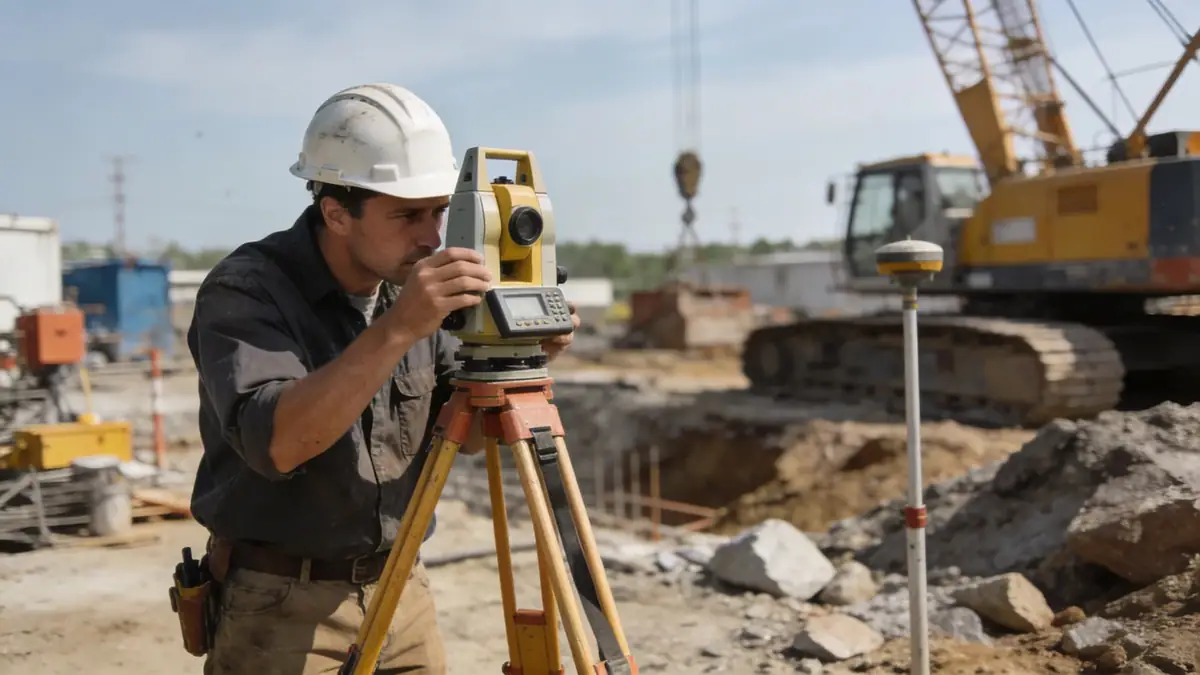
Our methodology for soil mechanics laboratory work in Hartford Connecticut follows ASTM D1586 for Standard Penetration Tests, with sampling intervals every 1.0–1.5 meters to a typical depth of 10–20 meters. We also perform Cone Penetration Tests (CPT) for continuous profiling. All samples are analyzed at our on-site lab for classification, compaction, and strength parameters. Our approach integrates local geologic knowledge to provide accurate subsurface characterization for projects throughout Hartford Connecticut. For a detailed overview of our procedures, visit our soil mechanics laboratory page.
Reference Technical Parameters
| Parameter | Reference Value |
|---|---|
| Predominant soil type | Glacial till and stratified drift |
| Maximum seismic acceleration (PGA) | 0.15g (ASCE 7) |
| Typical groundwater level | 3–6 meters below surface |
| Bedrock depth | 10–30 meters (sandstone/shale) |
| Typical N60 range | 10–30 blows/0.3m |
Local Considerations — Hartford Connecticut
Hartford Connecticut's geology features glacial till over sedimentary bedrock, with variable groundwater depths affecting excavation. The city's seismic zone (ASCE 7 B) requires moderate design considerations. Our team addresses these conditions through site-specific studies, including shallow foundations on till and deeper piles where drift is thick. For residential projects, typical SPT depths reach 8–12 meters; for commercial structures, 20–30 meters. We also provide granulometry & atterberg testing to classify soils per USCS. In contrast with the greater New York region, Hartford’s glacial deposits are more uniform, but local variations require careful assessment. For broader regional context, see our soil mechanics laboratory en New York page.
Request a Quote
Our team reviews your project and issues an initial report at no cost.
Or write us directly at [email protected]
Services in Hartford Connecticut
Applicable Standards
- ASTM D1586
- ASCE 7
- International Building Code (IBC) 2021
- Connecticut State Building Code
Frequently Asked Questions
What are the typical soil conditions in Hartford Connecticut?
Hartford Connecticut primarily has glacial till and stratified drift soils, with groundwater at 3–6 meters. Bedrock depth varies from 10 to 30 meters. These conditions require site-specific testing for foundation design.
Is seismic analysis required for projects in Hartford Connecticut?
Yes, Hartford Connecticut falls under ASCE 7 Seismic Design Category B, with a PGA of 0.15g. Seismic analysis is mandatory for certain structures, and our laboratory provides dynamic testing to meet code requirements.
Are soil mechanics studies mandatory for construction in Hartford Connecticut?
While not always legally required for all projects, most municipalities in Hartford Connecticut recommend or require geotechnical investigations for permits, especially for commercial or multi-story buildings, to ensure safety and compliance with the Connecticut State Building Code.