Methodology

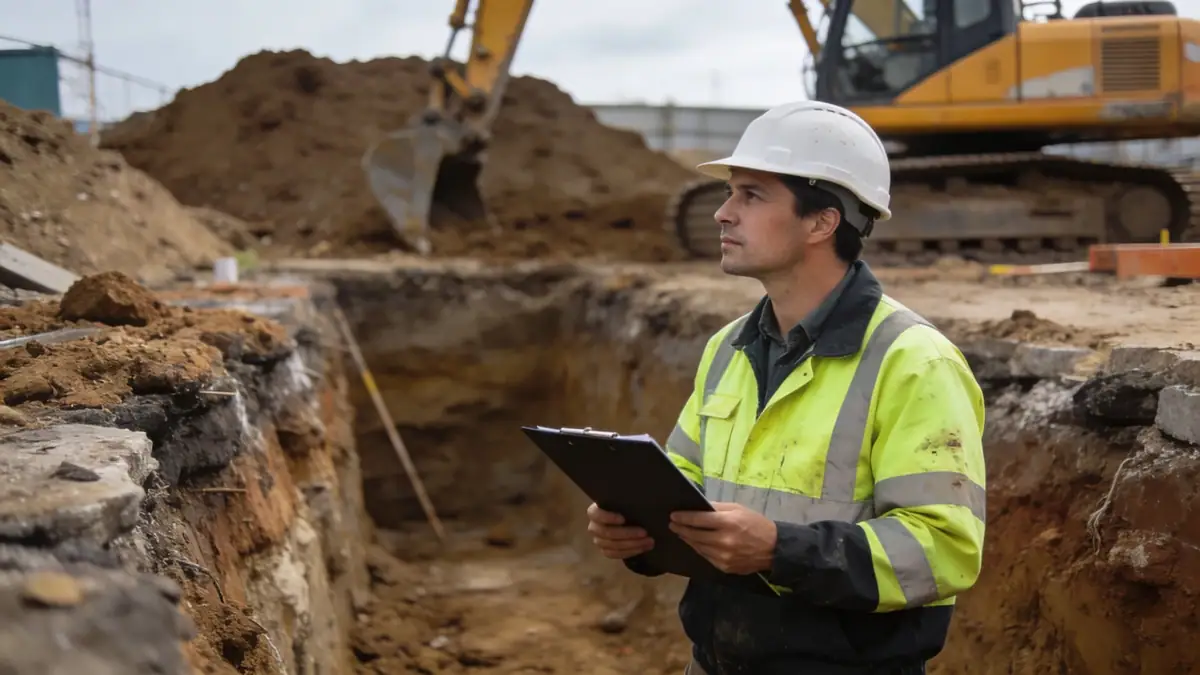
Our methodology for soil mechanics laboratory in Denver follows ASTM D1586 for standard penetration testing, ensuring consistent data collection at 1.5-meter intervals. We combine field sampling with laboratory analysis to characterize soil behavior under local conditions. By integrating site-specific geology and seismic criteria, our team provides actionable insights for foundation design. For more on our approach, visit our soil mechanics laboratory page.
Reference Technical Parameters
| Parameter | Reference Value |
|---|---|
| Predominant soil type | Clay and sandy gravel |
| Maximum seismic acceleration (PGA) | 0.20g (ASCE 7-16) |
| Typical groundwater level | 10–30 ft depth |
| Bedrock depth | 50–200 ft |
| Typical N60 range | 10–40 blows/ft |
Local Considerations — Denver
Denver's geology varies from the High Plains to the Rocky Mountain foothills. Key considerations include: 1) Expansive clay soils in eastern areas, requiring moisture control. 2) Shallow groundwater near the South Platte River, impacting excavations. 3) Moderate seismic hazard with PGA up to 0.20g per ASCE 7. 4) Contrast between downtown fill layers and western bedrock. 5) Typical projects include high-rise foundations, where our granulometry & atterberg tests help classify soil behavior.
Request a Quote
Our team reviews your project and issues an initial report at no cost.
Or write us directly at [email protected]
Services in Denver
Locations covered in Denver
Applicable Standards
- ASTM D1586
- ASCE 7-16
- IBC 2021
- Denver Building Code
Frequently Asked Questions
What soil types are common in Denver?
Denver primarily features clay and sandy gravel soils. Expansive clays are prevalent in eastern areas, while western zones contain more gravel and bedrock near the foothills.
Does Denver require seismic soil analysis?
Yes, per ASCE 7-16 and the Denver Building Code, seismic site classification is mandatory for most structures. Peak ground acceleration can reach 0.20g, requiring site-specific response analysis.
Are geotechnical studies mandatory for Denver projects?
For commercial buildings and multi-family residences, a geotechnical report is typically required by the Denver Building Code. Single-family homes may be exempt but are recommended for expansive soils.