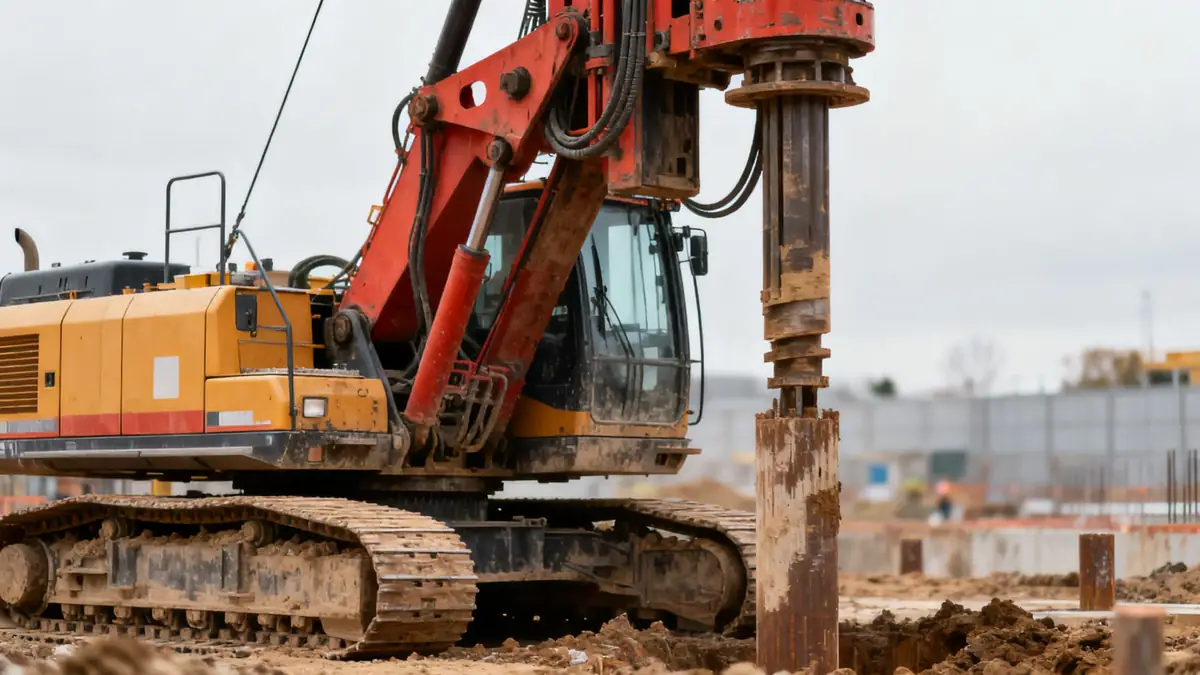
Methodology
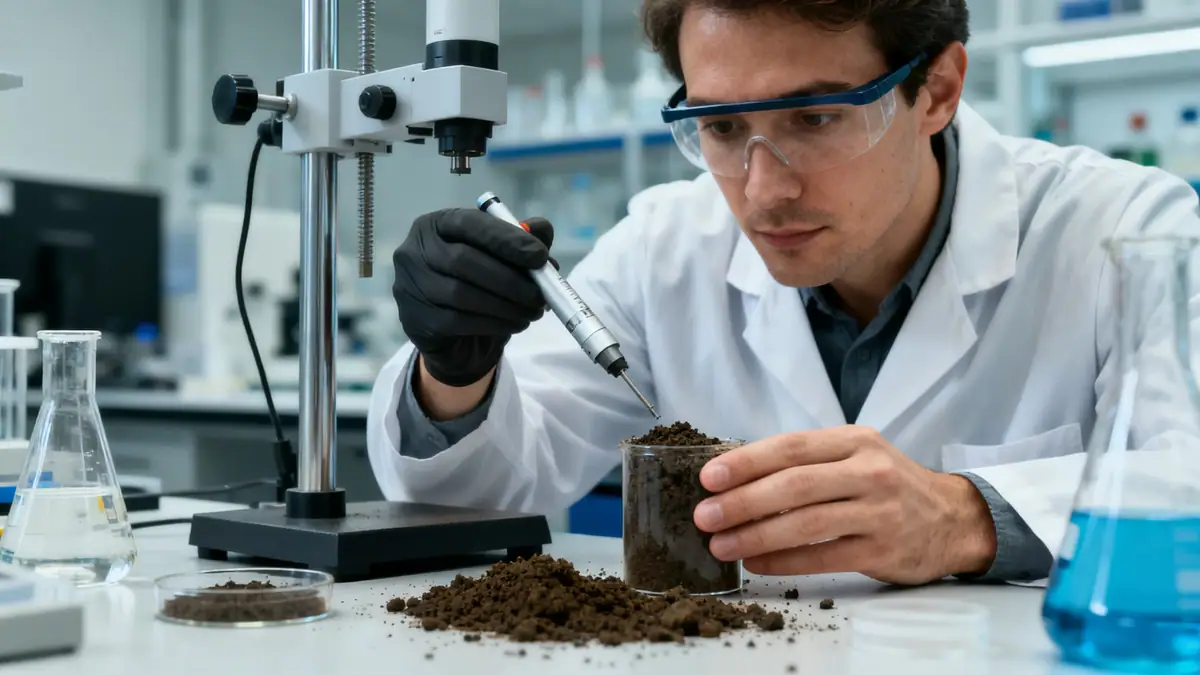
Our approach in Casper, Wyoming follows standardized protocols for soil mechanics laboratory testing. For subsurface exploration, we conduct standard penetration tests (SPT) per ASTM D1586 at 1.0–1.5 m intervals, typically reaching depths of 8–15 m for residential projects and up to 30 m for industrial sites. Disturbed and undisturbed samples are retrieved for laboratory analysis, including granulometry & atterberg testing to classify soils according to the Unified Soil Classification System (USCS). We also perform proctor & cbr testing to evaluate compaction characteristics and bearing capacity. All procedures align with applicable ASTM standards, ensuring reproducible results for engineering design.
Reference Technical Parameters
| Parameter | Reference Value |
|---|---|
| Predominant soil type | Sands and gravels with silt, alluvial and residual |
| Maximum seismic acceleration (PGA) | 0.2–0.3 g per ASCE 7 |
| Typical groundwater level | 3–8 m below surface, variable along river |
| Bedrock depth | 10–30 m, sandstone and shale |
| Typical N60 range | 10–40 blows/0.3 m, depending on density |
Local Considerations — Casper Wyoming
Casper's geology features alluvial soils near the North Platte River, with loose sands and silts requiring careful compaction control. In contrast, upland areas present stiff clays and weathered sedimentary rock. Our soil mechanics laboratory team has observed that groundwater levels fluctuate seasonally, influencing foundation design. Seismic hazard is moderate, with PGA up to 0.3 g per ASCE 7, necessitating site-specific response analysis for critical structures. Typical case studies include oil field infrastructure and commercial buildings, where bearing capacity and settlement are key concerns. For projects requiring broader regional support, we coordinate with our soil mechanics laboratory en Denver to ensure consistent standards.
Request a Quote
Our team reviews your project and issues an initial report at no cost.
Or write us directly at [email protected]
Services in Casper Wyoming
Applicable Standards
- ASTM D1586
- ASCE 7
- ASTM D698
- ASTM D2487
Frequently Asked Questions
What types of soil are commonly found in Casper, Wyoming?
Casper's soils include alluvial sands and gravels along the North Platte River, and residual clays and silts over sedimentary bedrock. These materials vary significantly across the city, requiring site-specific testing for accurate classification.
Is seismic analysis required for construction in Casper?
Yes, Casper falls within moderate seismic hazard zones per ASCE 7, with PGA values up to 0.3 g. Site-specific seismic response analysis is recommended for essential facilities and large structures to ensure compliance with building codes.
Do I need a soil mechanics laboratory study for a residential project in Casper?
While not always mandatory, a soil mechanics laboratory study is strongly advised to assess bearing capacity, settlement, and groundwater conditions. Local regulations may require geotechnical reports for subdivisions or multi-story buildings.