Methodology
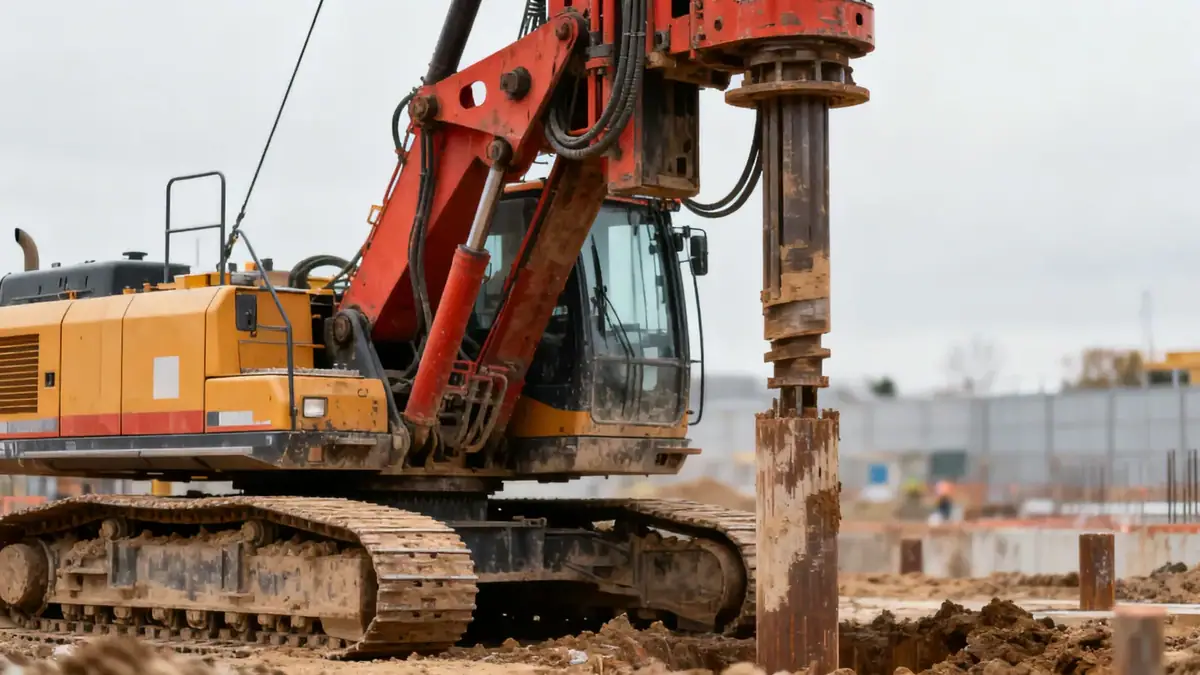
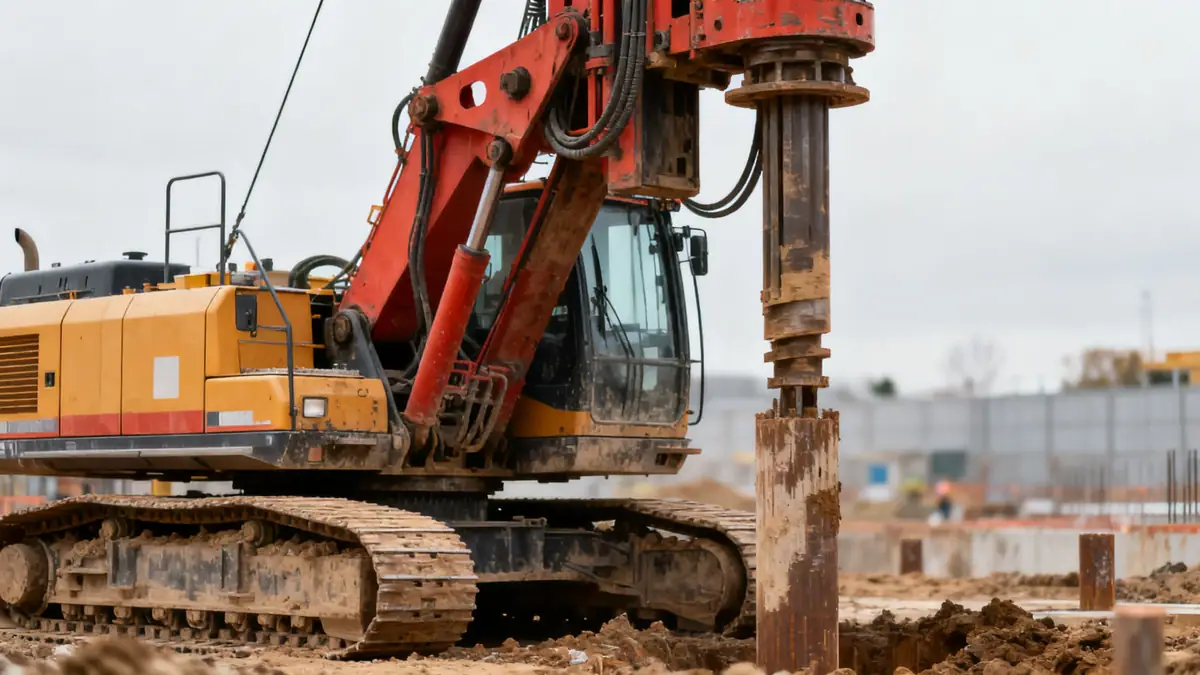
Our team follows ASTM D1586 standard penetration testing protocols, with sampling intervals typically every 1.0 to 1.5 meters to capture stratigraphic changes. We integrate field investigations with laboratory analyses including soil mechanics laboratory procedures to determine index properties, strength, and consolidation characteristics. This systematic approach provides comprehensive subsurface characterization for Colorado Springs sites.
Reference Technical Parameters
| Parameter | Reference Value |
|---|---|
| Predominant soil type | Clayey sands (SC) and silty sands (SM) with cobbles |
| Maximum seismic acceleration (PGA) | 0.20g to 0.30g (ASCE 7-16) |
| Typical groundwater level | 5 to 15 meters below grade |
| Bedrock depth | 10 to 30 meters (Dawson Arkose) |
| Typical N60 range | 10 to 40 blows per 0.3 m |
Local Considerations — Colorado Springs
Colorado Springs' geology is dominated by alluvial fans and terrace deposits derived from the Rocky Mountains. Expansive clay soils are common in the eastern plains, while collapsible sands and cobbles prevail near the foothills. Seismic design per ASCE 7 requires site-specific response spectra. Our team has experience with both residential subdivisions and commercial developments, adapting sampling methods to variable conditions. For broader regional context, refer to our soil mechanics laboratory en Denver page.
Request a Quote
Our team reviews your project and issues an initial report at no cost.
Or write us directly at [email protected]
Services in Colorado Springs
Applicable Standards
- ASTM D1586 (Standard Penetration Test)
- ASTM D698 (Standard Proctor)
- ASTM D4318 (Atterberg Limits)
- ASCE 7-16 (Minimum Design Loads for Buildings)
- IBC 2021 (International Building Code)
Frequently Asked Questions
What soil types are most common in Colorado Springs?
The area features clayey sands (SC), silty sands (SM), and gravelly deposits from alluvial fans. Expansive clays are found in eastern sections, while collapsible sands occur near the mountains. Proper classification via [granulometry & atterberg](/granulometry-atterberg/) is essential.
Are seismic studies required for Colorado Springs projects?
Yes, per ASCE 7 and the IBC, site-specific seismic hazard analysis is mandated for most structures. Peak ground acceleration ranges from 0.20g to 0.30g, requiring soil response evaluation to determine design spectra.
Is geotechnical investigation mandatory for new construction?
Colorado Springs building codes typically require a geotechnical report for commercial and multi-family projects. Single-family homes may be exempt, but site-specific testing is recommended due to variable soil conditions.