Methodology
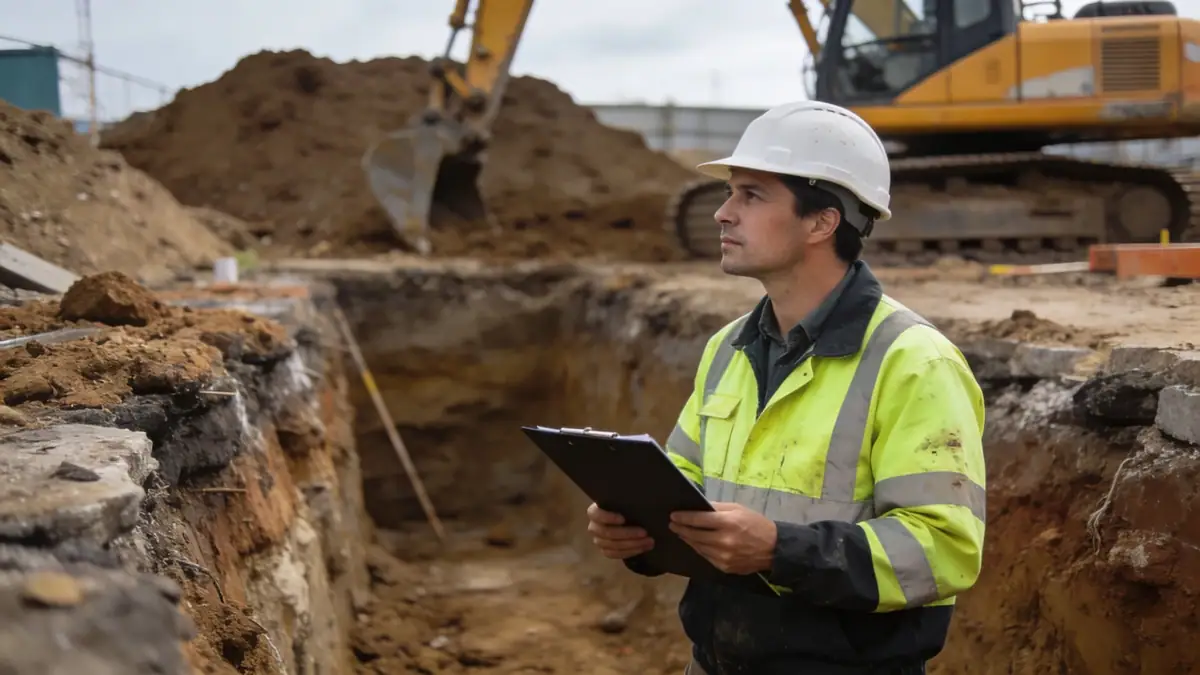
Our methodology for soil mechanics laboratory testing in Wichita follows ASTM D1586 for Standard Penetration Test (SPT) sampling, with typical intervals of 1.0 to 1.5 meters. We perform continuous soil classification and select representative samples for soil mechanics laboratory testing. For granular materials, we use sieve analysis (ASTM D6913) and hydrometer tests (ASTM D7928) for fines. Fine-grained soils undergo Atterberg limits and consolidation testing. Compaction characteristics are determined via Proctor tests (ASTM D698). Our team integrates field data with laboratory results to develop site-specific geotechnical profiles.
Reference Technical Parameters
| Parameter | Reference Value |
|---|---|
| Predominant soil type | Silty clay, clayey sand |
| Maximum seismic acceleration (PGA) | 0.2 g (ASCE 7-16 Site Class D) |
| Typical groundwater level | 5 to 15 feet below surface |
| Bedrock depth | 100 to 300 feet (shale) |
| Typical N60 range | 5 to 25 (blows/ft) |
Local Considerations — Wichita
Wichita's subsurface is dominated by Quaternary alluvium and Pleistocene terrace deposits, underlain by Permian-age shales and limestones. The Arkansas River valley presents variable groundwater conditions, with seasonal fluctuations up to 5 feet. Seismic hazard is moderate, with ASCE 7-16 prescribing a PGA of 0.2 g. Soils in the downtown area often exhibit medium plasticity clays, while western Wichita features sandy silts. Our team has extensive experience with local conditions, including the challenges of expansive soils near the river. For specialized testing, we also coordinate with our soil mechanics laboratory en Denver for advanced analyses.
Request a Quote
Our team reviews your project and issues an initial report at no cost.
Or write us directly at [email protected]
Services in Wichita
Applicable Standards
- ASTM D1586
- ASCE 7-16
- IBC 2021
- ASTM D6913
- ASTM D7928
Frequently Asked Questions
What are the typical soil types encountered in Wichita?
Soils in Wichita predominantly consist of silty clays and clayey sands from alluvial deposits. Deeper layers include sandy gravels and weathered shale. The region also has areas of expansive clay, which require careful geotechnical evaluation.
Does Wichita have specific seismic design requirements?
Yes, according to ASCE 7-16, Wichita is in Seismic Design Category B with a maximum PGA of 0.2 g. Site-specific response spectra may be required for critical structures. Our laboratory tests provide key parameters for dynamic analysis.
Are soil mechanics laboratory tests mandatory for construction in Wichita?
Local building codes generally require geotechnical investigations for commercial and multi-family projects. For residential construction, recommendations vary. Our firm provides standard testing to support foundation and pavement design in compliance with IBC 2021.