Methodology
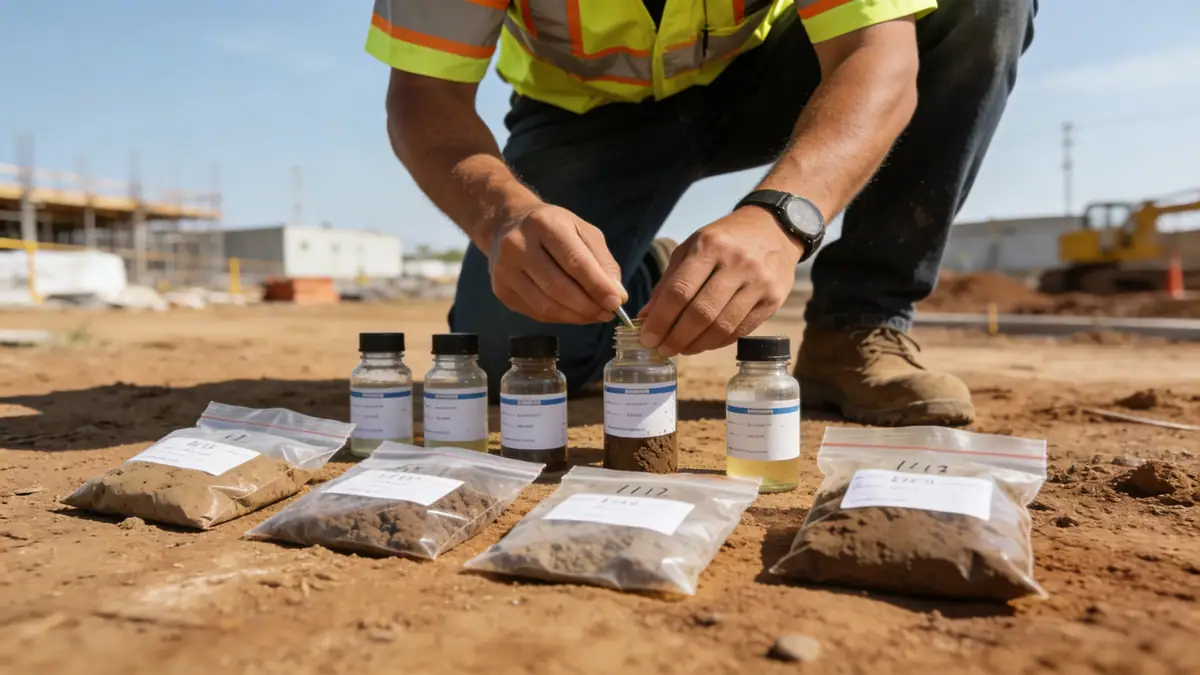
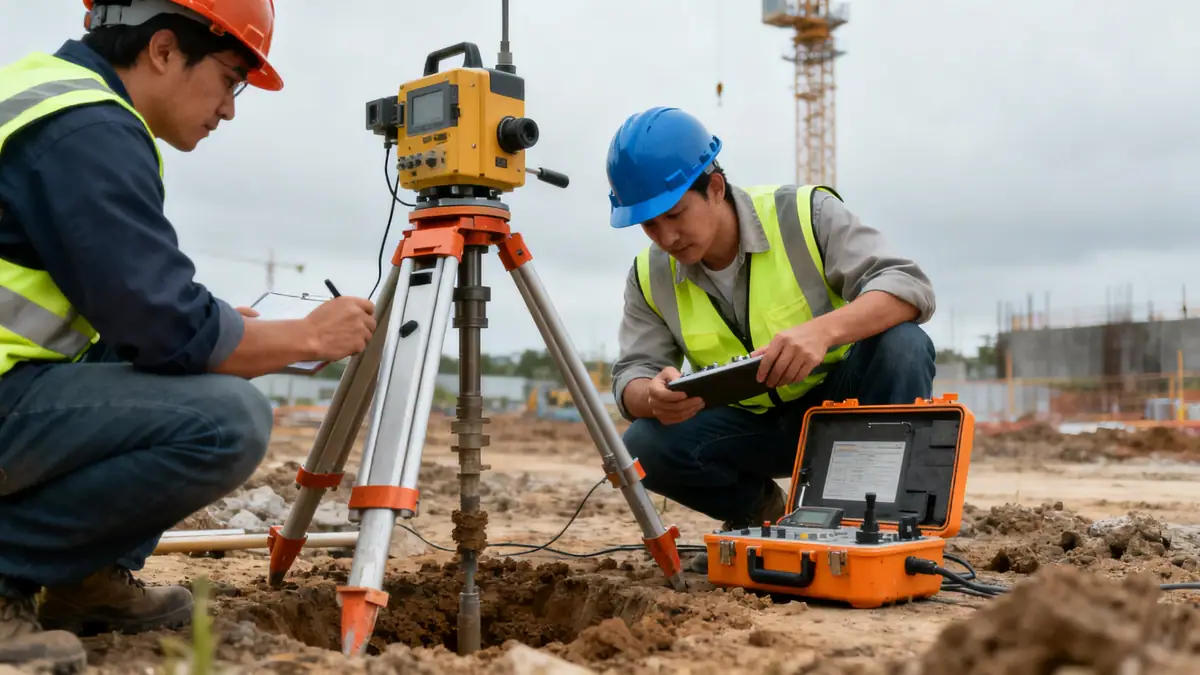
Our methodology for soil mechanics laboratory in Salt Lake City follows a systematic approach adapted to the region’s unique geotechnical profile. We begin with a thorough review of existing geological maps and seismic hazard data for the Wasatch Front. Field investigations include standard penetration testing (SPT) per ASTM D1586, with sampling intervals typically every 1.5 m to capture stratigraphic variability. In selected projects, we deploy cone penetration testing (CPT) for continuous profiling. Laboratory testing encompasses classification, strength, and consolidation parameters, with results interpreted against local benchmarks. Our soil mechanics laboratory services integrate field and lab data into actionable geotechnical recommendations.
Reference Technical Parameters
| Parameter | Reference Value |
|---|---|
| Predominant soil type | Alluvial sands and silty clays with gravel layers |
| Maximum seismic acceleration (PGA) | 0.4g to 0.6g (ASCE 7-16, Site Class D) |
| Typical groundwater level | 3 to 8 m below ground surface |
| Bedrock depth | Variable, typically 15 to 30 m (Wasatch fault zone) |
| Typical N60 range | 10 to 40 blows/0.3 m |
Local Considerations — Salt Lake City
Salt Lake City sits within the Wasatch Front, a region characterized by alluvial basin deposits overlying bedrock of the Wasatch Fault zone. The soil profile typically consists of interbedded sands, silts, and clays with varying gravel content, often exhibiting liquefaction potential under seismic loading. Groundwater levels fluctuate seasonally, generally encountered between 3 and 8 m depth. The Wasatch Fault presents a significant seismic hazard, requiring site-specific response analysis per ASCE 7-16. In contrast, foothill areas may feature colluvial soils and shallow bedrock. Common challenges include settlement of compressible clays and lateral spreading near fault scarps. Our granulometry & atterberg testing supports classification of these variable soils. For regional context, our soil mechanics laboratory en Denver team addresses similar intermountain geotechnical conditions.
Request a Quote
Our team reviews your project and issues an initial report at no cost.
Or write us directly at [email protected]
Services in Salt Lake City
Applicable Standards
- ASTM D1586 (Standard Penetration Test)
- ASCE 7-16 (Minimum Design Loads for Buildings)
- IBC 2021 (International Building Code)
- UBC 1997 (Utah Seismic Provisions)
Frequently Asked Questions
What soil types are commonly encountered in Salt Lake City?
Salt Lake City's subsurface typically includes alluvial sands, silty clays, and gravels deposited by ancient Lake Bonneville. These materials vary laterally and with depth, often requiring detailed classification via laboratory testing to assess engineering properties.
How does the Wasatch Fault affect geotechnical design in Salt Lake City?
The Wasatch Fault is a active normal fault capable of generating earthquakes up to M7.5. Geotechnical design must account for fault rupture, strong ground motion, and liquefaction potential. Site-specific seismic hazard analysis per ASCE 7-16 is required for most projects.
Are geotechnical investigations mandatory for construction in Salt Lake City?
While not always explicitly required by city ordinance, most building permits in Salt Lake City necessitate a geotechnical report per IBC 2021. Lenders and insurers typically mandate such studies for risk mitigation, especially in high-seismic zones.