Methodology
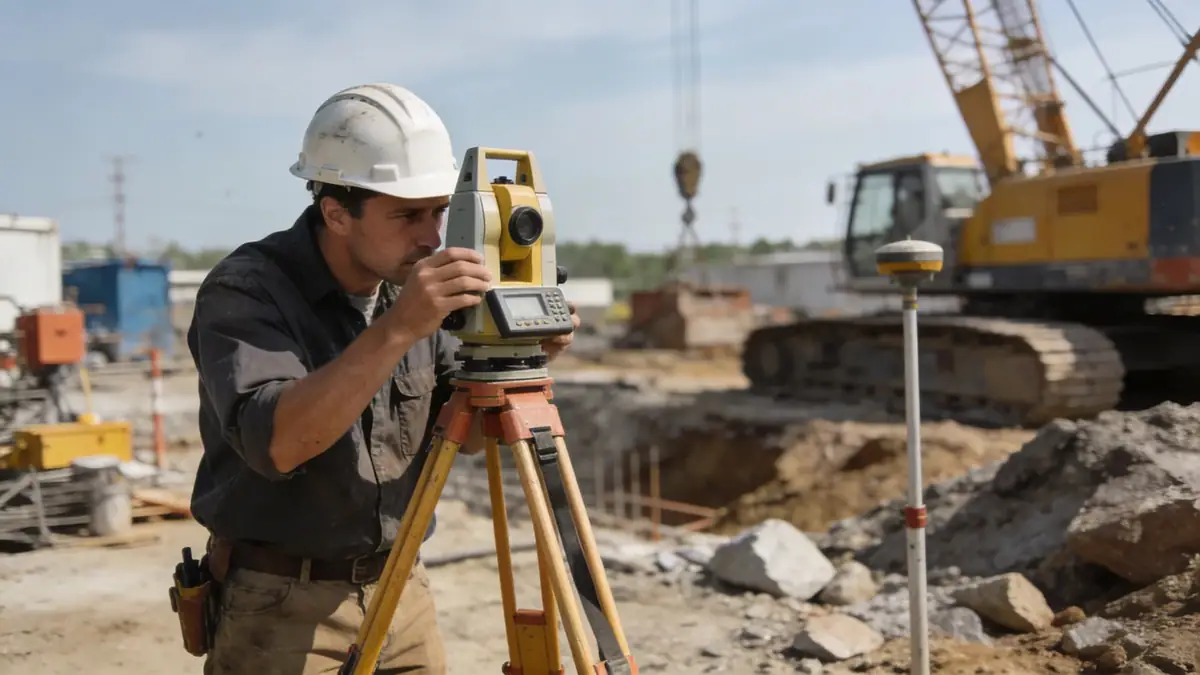
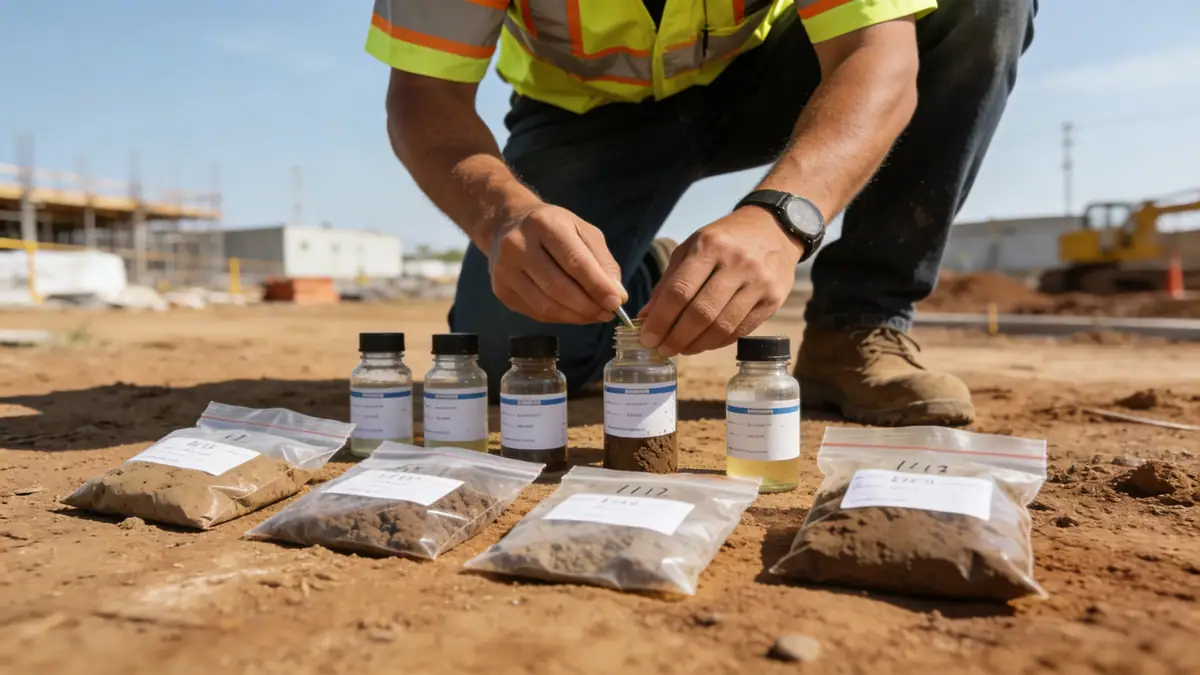
Our methodology for soil mechanics laboratory work in Lubbock integrates field sampling and laboratory analysis according to recognized standards. We conduct Standard Penetration Tests (SPT) per ASTM D1586, with sampling intervals every 1.0 to 1.5 meters, reaching depths of 8 to 15 meters for typical residential projects and up to 30 meters for industrial sites. Laboratory tests include granulometry (ASTM D6913, D7928), Atterberg limits (ASTM D4318), and Proctor compaction (ASTM D698 or D1557). For advanced characterization, we perform triaxial and consolidation tests. Our process ensures site-specific data to inform geotechnical design. For an overview of our capabilities, visit our soil mechanics laboratory page.
Reference Technical Parameters
| Parameter | Reference Value |
|---|---|
| Predominant soil type | Clayey sand (SC) and silty sand (SM) |
| Maximum seismic acceleration (PGA) | 0.05 g (ASCE 7-16, Site Class D) |
| Typical groundwater level | 10 to 30 m below ground surface |
| Bedrock depth | Over 100 m (Ogallala Formation) |
| Typical N60 range | 10 to 30 blows/0.3 m |
Local Considerations — Lubbock
Lubbock's geology is dominated by the Ogallala Formation, with unconsolidated sands, gravels, and clays. The region experiences low seismic hazard, with a maximum considered earthquake (MCE) spectral acceleration of approximately 0.05 g per ASCE 7-16. Groundwater is typically deep (>10 m), reducing liquefaction risk but requiring careful dewatering for excavations. Expansive clays in the near-surface can cause foundation movement; thus, our team emphasizes Atterberg limits and swell testing. Local building codes follow the International Building Code (IBC) with amendments. For projects requiring specialized analysis, we collaborate with our soil mechanics laboratory in Denver to provide comprehensive support.
Request a Quote
Our team reviews your project and issues an initial report at no cost.
Or write us directly at [email protected]
Services in Lubbock
Applicable Standards
- ASTM D1586
- ASCE 7-16
- ASTM D6913
- ASTM D4318
- ASTM D698
Frequently Asked Questions
What are the typical soil types encountered in Lubbock for geotechnical investigations?
The predominant soils in Lubbock are clayey sands (SC) and silty sands (SM) from the Ogallala Formation. Near-surface layers may include expansive clays. Standard Penetration Tests (SPT) per ASTM D1586 are commonly used to characterize soil density and strength.
What seismic design parameters apply to Lubbock according to current codes?
Lubbock is in a low seismic zone per ASCE 7-16, with a maximum considered earthquake (MCE) spectral acceleration at short periods (Ss) of about 0.05 g. Site Class D is typical. Seismic design is generally not critical, but geotechnical reports must still address site-specific conditions.
Are geotechnical studies mandatory for construction projects in Lubbock?
The City of Lubbock requires geotechnical investigations for most commercial and multi-family residential projects per the International Building Code. Single-family homes may not be mandatory, but our firm recommends soil testing to mitigate risks from expansive soils and settlement.