Methodology
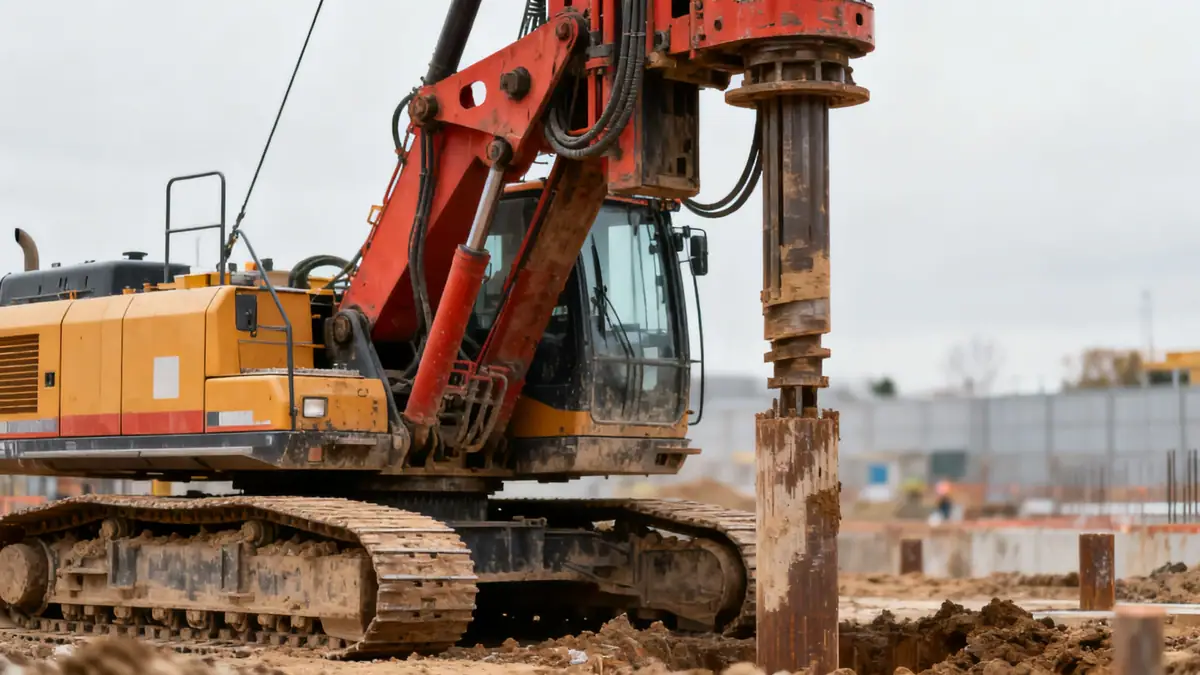
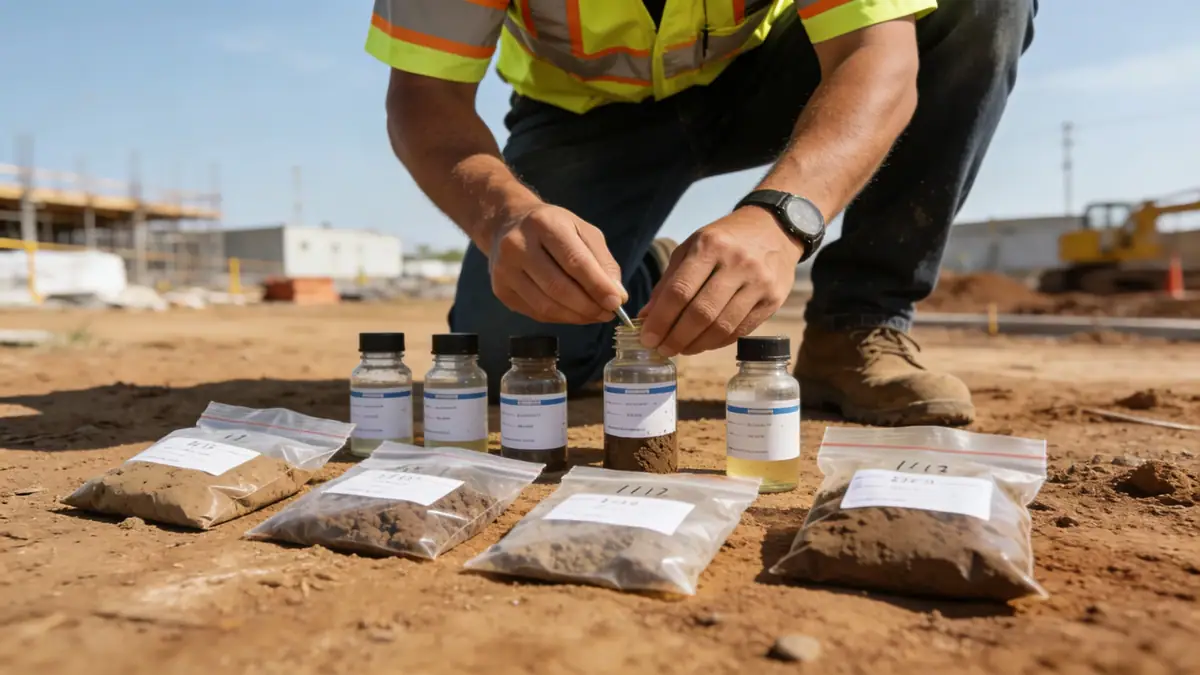
Our methodology for soil mechanics laboratory in Boston follows a systematic workflow tailored to local conditions. We begin with subsurface exploration using standard penetration testing (SPT) per ASTM D1586, with sampling intervals of 1.0 to 1.5 meters depending on soil variability. Samples are transported to our laboratory where index properties, strength, and consolidation characteristics are determined. For cohesive soils like Boston Blue Clay, we perform unconfined compression tests and consolidation tests to evaluate settlement potential. Our team adheres to ASTM and Boston-specific building codes, ensuring results are directly applicable to foundation design. We integrate data from multiple boreholes to develop a geotechnical model, which is then used for parameter selection and foundation recommendations. For more on our general approach, visit our soil mechanics laboratory page.
Reference Technical Parameters
| Parameter | Reference Value |
|---|---|
| Predominant soil type | Glacial till, Boston Blue Clay, fill |
| Maximum seismic acceleration (PGA) | 0.15–0.20 g (ASCE 7-16 Site Class D) |
| Typical groundwater level | 2–5 m below surface |
| Bedrock depth | 10–30 m (variable) |
| Typical N60 range (SPT) | 5–50 blows/ft (clay to till) |
Local Considerations — Boston
Boston's subsurface is dominated by glacial deposits and the infamous Boston Blue Clay, a soft to medium-stiff marine clay with high compressibility and low strength. Groundwater levels are typically shallow, between 2 and 5 meters, requiring dewatering considerations for excavations. Seismic hazard is moderate, with peak ground accelerations of 0.15–0.20 g per ASCE 7-16, necessitating liquefaction assessments in sandy fills. Bedrock depth varies significantly, from 10 meters in downtown to over 30 meters in outlying areas, affecting foundation type selection. Our team adapts testing programs accordingly, such as using consolidation tests for clay layers and shear wave velocity measurements for seismic site classification. For detailed service offerings, see our granulometry & atterberg page. Additionally, we coordinate with our soil mechanics laboratory en New York team to ensure consistency across regional projects.
Request a Quote
Our team reviews your project and issues an initial report at no cost.
Or write us directly at [email protected]
Services in Boston
Applicable Standards
- ASTM D1586 (Standard Penetration Test)
- ASCE 7-16 (Minimum Design Loads and Associated Criteria)
- Boston Building Code (2018 IBC with amendments)
- ASTM D2487 (Unified Soil Classification System)
- MassDEP Waste Site Cleanup Regulations (for contaminated sites)
Frequently Asked Questions
What soil types are commonly encountered in Boston?
Boston's soils include glacial till (dense sand/gravel), Boston Blue Clay (soft to stiff marine clay), and artificial fill (sand, rubble, and organic material). These layers vary in thickness and depth across the city, influencing foundation design and requiring site-specific testing.
How does seismic hazard affect soil mechanics testing in Boston?
Boston is in a moderate seismic zone, with peak ground accelerations of 0.15–0.20 g per ASCE 7-16. Soil mechanics laboratory testing must evaluate liquefaction potential in loose sands and cyclic softening in clays. Shear wave velocity measurements (ASTM D7400) may be required for site classification.
Are soil mechanics studies mandatory for construction in Boston?
Yes, the Boston Building Code requires geotechnical investigations for most structures, especially those with deep foundations, basements, or in areas with known fill or high groundwater. A soil mechanics laboratory report is typically needed for foundation design and permit approval.