Methodology
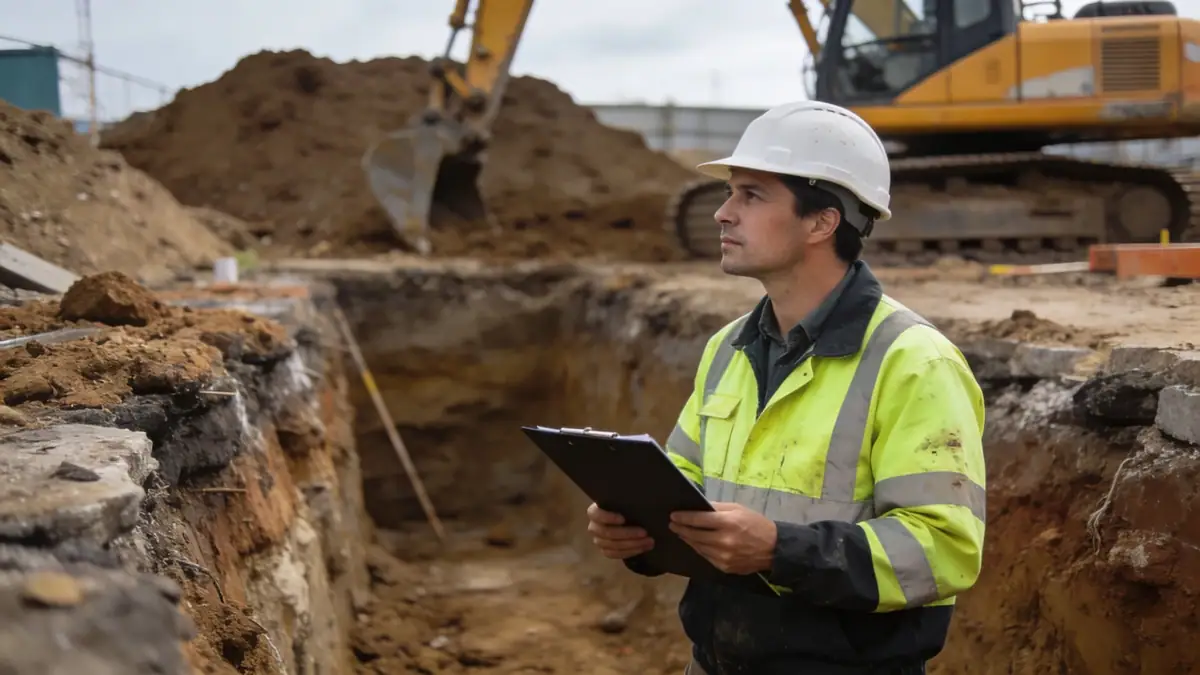
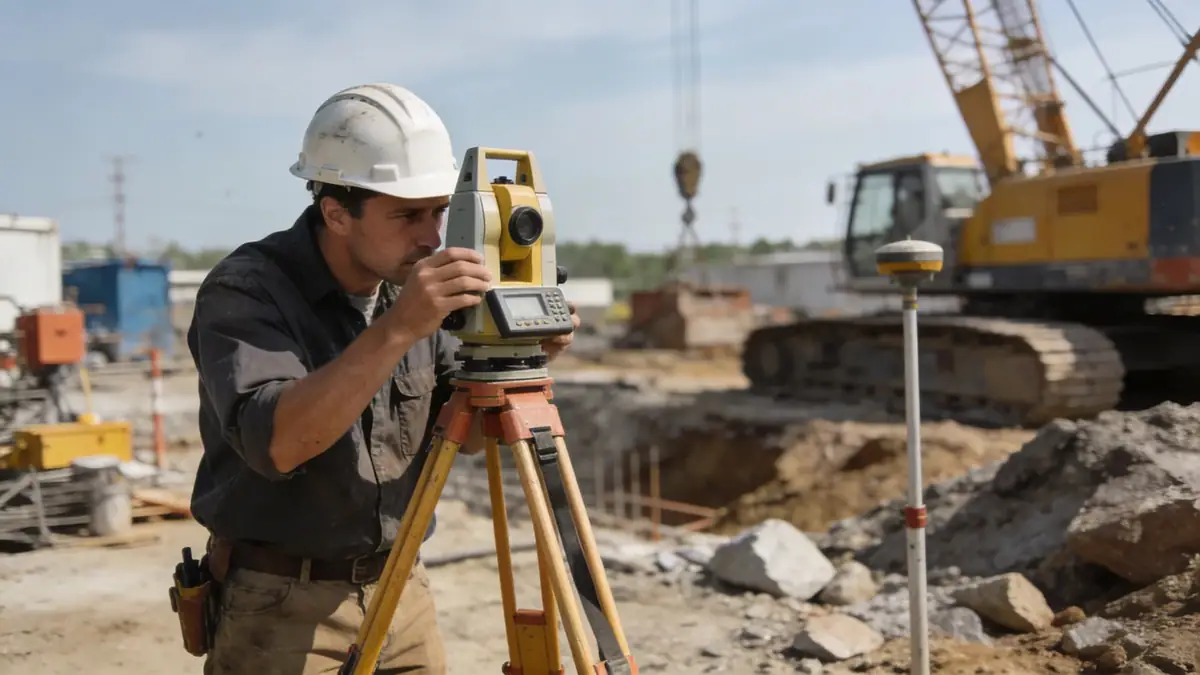
Our methodology for soil mechanics laboratory work in Worcester follows a systematic approach. We begin with site reconnaissance and a review of regional geological maps to identify potential hazards such as soft soils or shallow groundwater. Field sampling is conducted per soil mechanics laboratory standards, including SPT (ASTM D1586) and undisturbed tube sampling. Samples are transported to our laboratory for classification, compaction, and strength testing. Data analysis incorporates local seismic parameters, such as PGA values from ASCE 7-16, to inform foundation design. Our team integrates these results into comprehensive reports that address Worcester's specific soil behavior.
Reference Technical Parameters
| Parameter | Reference Value |
|---|---|
| Predominant soil type | Glacial till with sand and gravel lenses |
| Maximum seismic acceleration (PGA) | 0.18g (ASCE 7-16, Site Class D) |
| Typical groundwater level | 3 to 6 meters below surface |
| Bedrock depth | 10 to 30 meters (varies by location) |
| Typical N60 range (SPT) | 10 to 40 blows/0.3 m |
Local Considerations — Worcester
Worcester's geology is shaped by glacial processes, resulting in a complex mix of till, stratified drift, and alluvial deposits. The city lies within Seismic Design Category C per ASCE 7-16, requiring site-specific response analysis for critical structures. Groundwater levels fluctuate seasonally, often shallow in low-lying areas like the Blackstone River valley. Distinct zones include the downtown area with fill soils and the western suburbs with dense till. Typical foundation challenges involve differential settlement in variable fills. Our team coordinates with local geotechnical engineers to address these conditions. For broader regional context, see our soil mechanics laboratory en New York page.
Request a Quote
Our team reviews your project and issues an initial report at no cost.
Or write us directly at [email protected]
Services in Worcester
Applicable Standards
- ASTM D1586 (Standard Penetration Test)
- ASCE 7-16 (Minimum Design Loads and Associated Criteria for Buildings and Other Structures)
- Massachusetts State Building Code (9th Edition)
- ASTM D2487 (Classification of Soils for Engineering Purposes)
Frequently Asked Questions
What types of soil are commonly found in Worcester?
Worcester predominantly features glacial till, with sandy and gravelly lenses. Alluvial deposits are present along river valleys, and fill soils occur in urban areas. These variations necessitate site-specific soil mechanics testing to ensure proper foundation design.
Is seismic analysis required for construction in Worcester?
Yes, Worcester falls under Seismic Design Category C per ASCE 7-16. Site-specific seismic analysis, including calculation of peak ground acceleration and soil amplification factors, is recommended for most structures to comply with the Massachusetts State Building Code.
Are soil mechanics tests mandatory for building permits in Worcester?
While not always explicitly required, local authorities often request geotechnical reports for projects involving significant loads or expansive soils. Our firm provides the necessary laboratory testing to support permit applications and ensure structural safety.