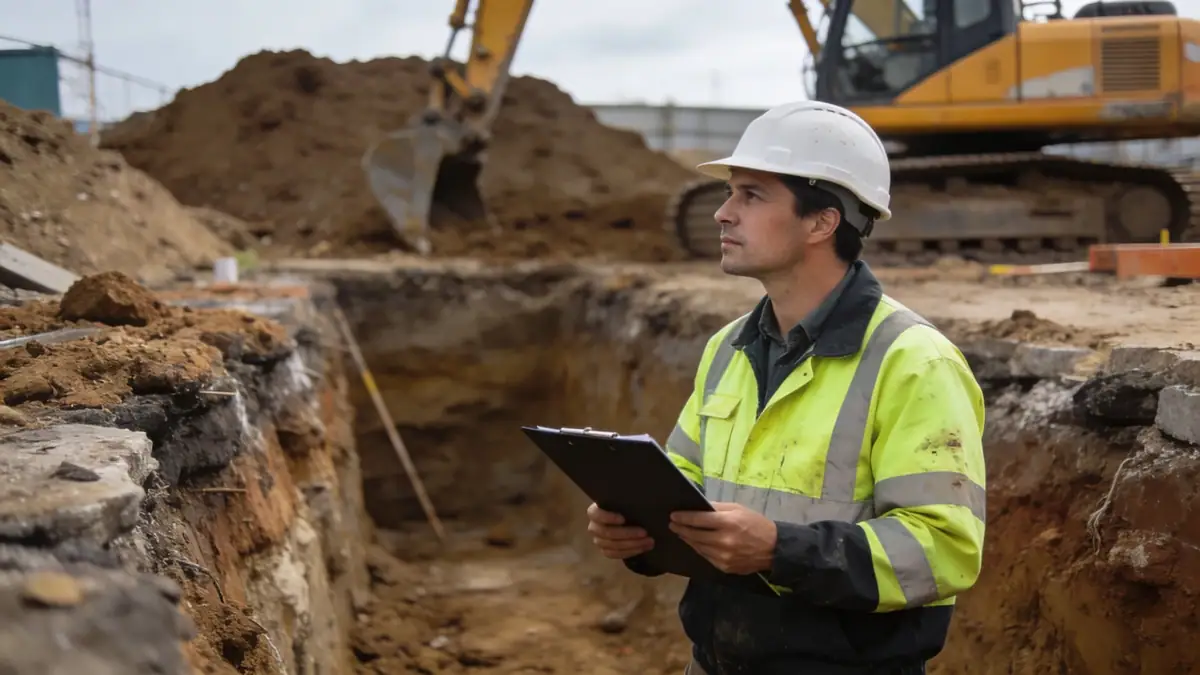
Methodology
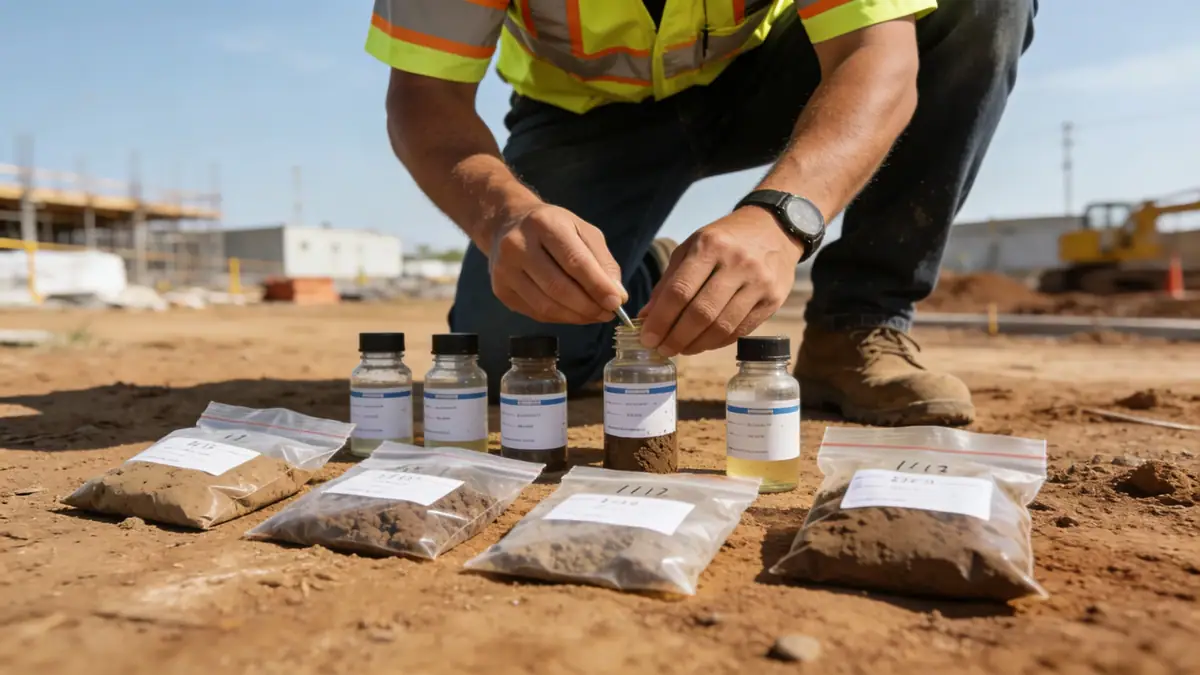
Our approach to soil mechanics laboratory in Providence begins with a thorough site investigation, including standard penetration testing (SPT) per ASTM D1586 to characterize soil strata. Samples are collected at 1.5 m intervals and analyzed in our laboratory for index properties, strength, and consolidation characteristics. For more detailed assessments, we offer soil mechanics laboratory services including triaxial and direct shear testing. Our team ensures that all testing methods align with local practice and project-specific requirements.
Reference Technical Parameters
| Parameter | Reference Value |
|---|---|
| Predominant soil type | Glacial till (silty sand with gravel) |
| Maximum seismic acceleration (PGA) | 0.2g (ASCE 7 Site Class C) |
| Typical groundwater level | 3–6 ft below ground surface |
| Bedrock depth | 10–50 ft (shallow in northern neighborhoods) |
| Typical N60 range | 10–50 blows/ft (variable) |
Local Considerations — Providence
Providence's soil profile varies significantly between downtown fill deposits and the more competent glacial tills in the suburbs. Groundwater levels are typically shallow, within 3–6 feet of the surface, requiring careful dewatering considerations. Seismic site classification per ASCE 7 ranges from Site Class C to D, with peak ground accelerations up to 0.2g. Our team is experienced in navigating these conditions, and we also provide granulometry & atterberg testing to classify soils accurately. For projects requiring comparison with our main hub, we offer soil mechanics laboratory en New York services.
Request a Quote
Our team reviews your project and issues an initial report at no cost.
Or write us directly at [email protected]
Services in Providence
Applicable Standards
- ASTM D1586
- ASCE 7
- RI Building Code (IBC based)
- ASTM D2487 (USCS)
Frequently Asked Questions
What soil types are most common in Providence?
Providence is primarily underlain by glacial till, consisting of silty sand with gravel, and stratified drift deposits in valley areas. Fill materials are common in downtown districts. Understanding these variations is essential for foundation design.
What seismic code applies to Providence?
Providence follows the Rhode Island Building Code, which adopts ASCE 7. The city is in Seismic Design Category B with a peak ground acceleration of 0.2g. Site-specific seismic analysis may be required for critical facilities.
Is geotechnical investigation mandatory for construction in Providence?
While not always mandatory for small residential projects, professional geotechnical investigation is strongly recommended and often required for commercial structures, especially in areas with fill or high groundwater. Local codes may require soil reports for permits.