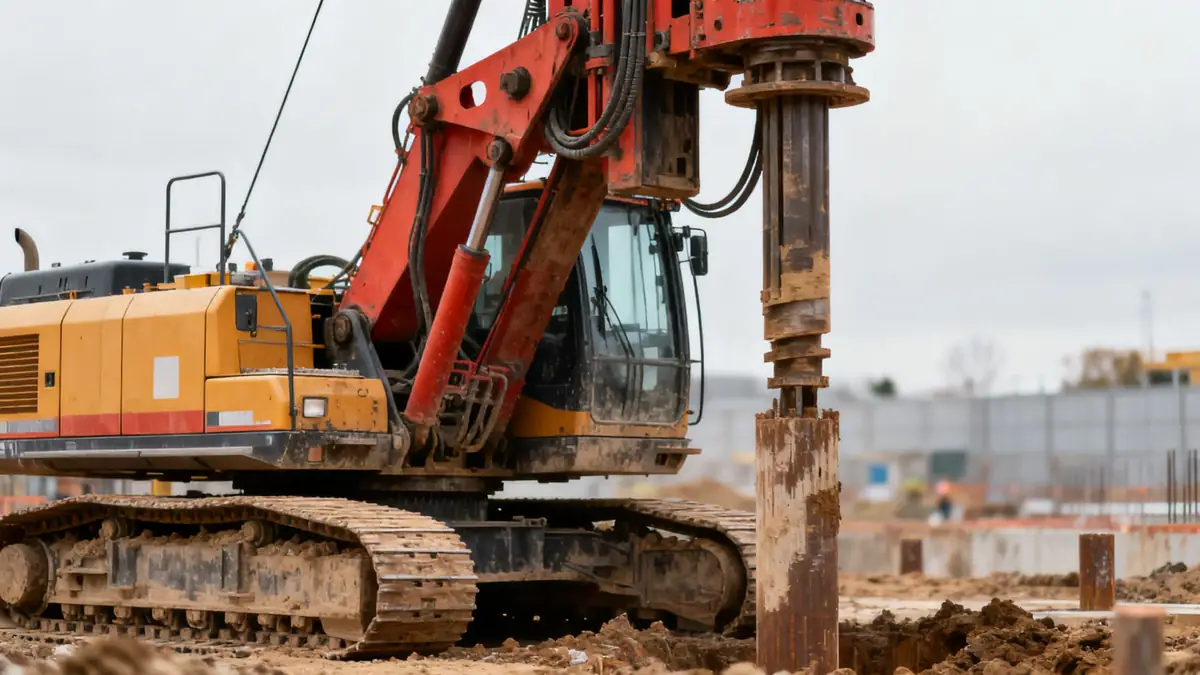
Methodology
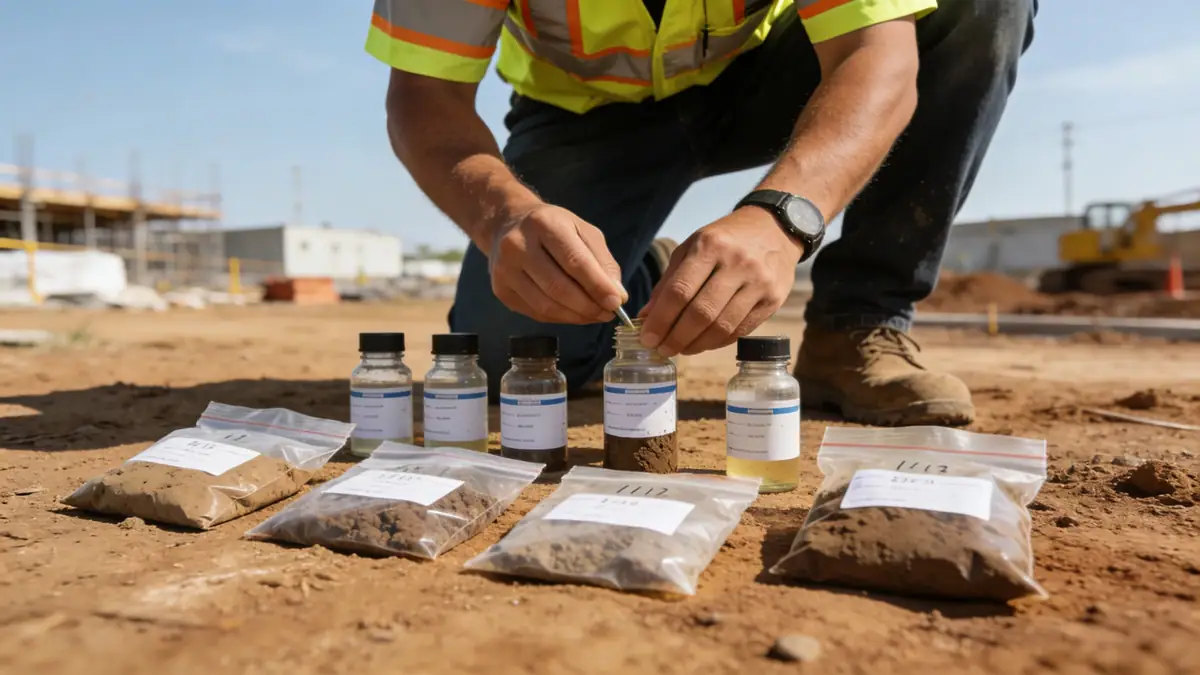
Our approach to soil mechanics laboratory in Gilbert integrates field and laboratory procedures tailored to the local geology. We perform standard penetration tests (SPT) per ASTM D1586 at 1.5 m intervals to depths of 15 m for residential structures, with continuous sampling in critical zones. Laboratory testing includes natural moisture content, Atterberg limits, and sieve analysis to classify soils under the Unified Soil Classification System. For expansive clay zones, we conduct free swell tests and consolidation testing to evaluate heave potential. Our soil mechanics laboratory methodology ensures data reliability for foundation design in Gilbert's variable alluvial deposits.
Reference Technical Parameters
| Parameter | Reference Value |
|---|---|
| Predominant soil type | Silty sand (SM) and clayey sand (SC) with occasional gravel layers |
| Maximum seismic acceleration (PGA) | 0.33g (ASCE 7-16, Site Class D) |
| Typical groundwater level | 15–25 m below surface (deep, but may rise near canals) |
| Bedrock depth | > 100 m (deep basin fill) |
| Typical N60 range (SPT) | 10–30 blows/0.3 m in upper 10 m; increases with depth |
Local Considerations — Gilbert
Gilbert's subsurface is characterized by alluvial fan deposits from the Usery Mountains and Salt River terraces. Collapsible soils are common in areas with low initial density and high silt content; our testing identifies critical zones for foundation mitigation. The deep water table (>15 m) reduces liquefaction risk but requires careful dewatering for deep excavations. Seismic site classification per ASCE 7 typically falls into Site Class D due to moderate soil stiffness. Older neighborhoods near downtown may have undocumented fill, while newer developments often require controlled compaction. For projects requiring specialized analysis, we link to our granulometry & atterberg services for detailed soil classification.
Request a Quote
Our team reviews your project and issues an initial report at no cost.
Or write us directly at [email protected]
Services in Gilbert
Applicable Standards
- ASTM D1586 (Standard Penetration Test)
- ASCE 7-16 (Minimum Design Loads for Buildings, Seismic Provisions)
- International Building Code (IBC) 2021
- Town of Gilbert Engineering Design Standards
Frequently Asked Questions
What soil types are commonly found in Gilbert, Arizona?
Gilbert's soils are predominantly silty sands and clayey sands from alluvial deposits. Expansive clays are less common but can occur near the Salt River. Collapsible soils are a concern in areas with low-density, high-silt content layers, requiring careful laboratory testing.
Is seismic analysis required for building permits in Gilbert?
Yes, per the IBC and ASCE 7, Gilbert is in Seismic Design Category B (moderate risk). A site-specific response analysis is required for Risk Category III and IV structures. Our laboratory provides shear wave velocity measurements and cyclic testing to support seismic design.
Are soil mechanics studies mandatory for residential construction in Gilbert?
For single-family homes on conventional lots, a geotechnical report is not always required by the town code, but it is strongly recommended to assess collapsible soil and compaction. For subdivisions and multi-story buildings, a full soil mechanics study is mandatory.