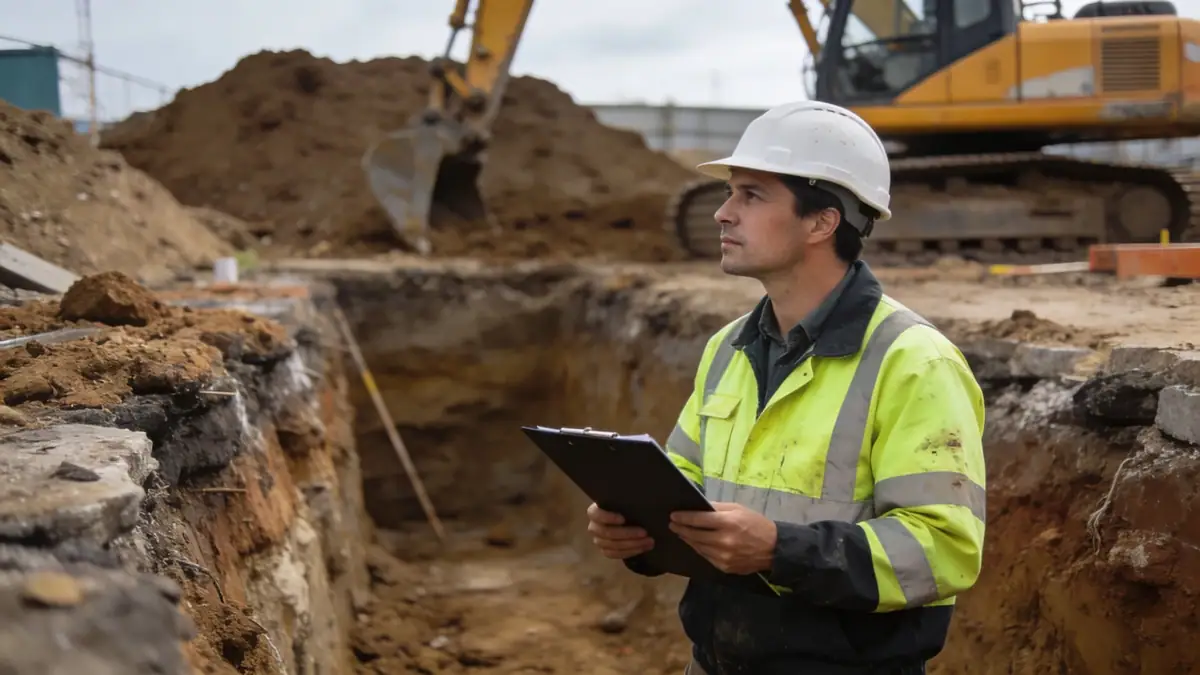
Methodology
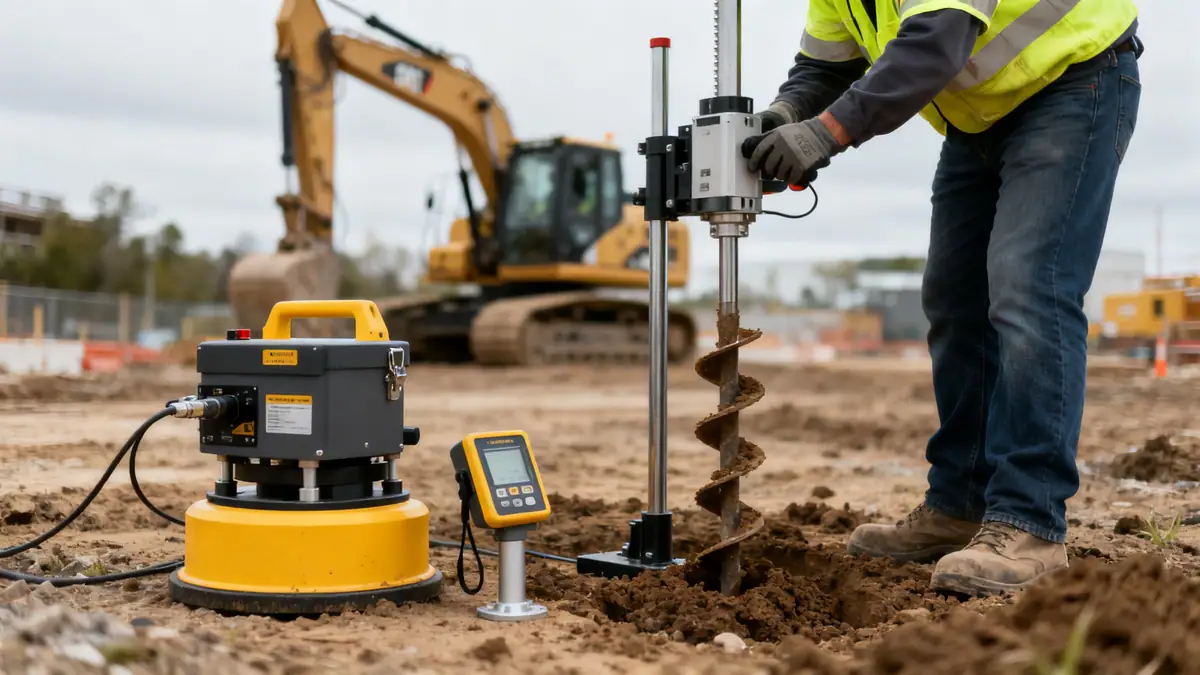
Our methodology for soil mechanics laboratory in Scottsdale follows a systematic approach tailored to the region's geology. We begin with a comprehensive site reconnaissance and review of existing geotechnical data. Field investigations include standard penetration testing (SPT) per ASTM D1586, with sampling intervals typically every 1.5 meters to depths of 8–15 meters for residential projects, and up to 30 meters for industrial developments. Advanced laboratory tests, such as granulometry & Atterberg limits, are performed on representative samples to classify soils and assess plasticity. Our team integrates these results with site-specific seismic parameters to provide actionable recommendations, ensuring compliance with local building codes and project requirements.
Reference Technical Parameters
| Parameter | Reference Value |
|---|---|
| Predominant soil type | Alluvial sands and gravels with interbedded silts and clays |
| Maximum seismic acceleration (PGA) | 0.25g (ASCE 7-16, Site Class D) |
| Typical groundwater level | 15–30 m below ground surface |
| Bedrock depth | 50–100 m (granitic/metamorphic basement) |
| Typical N60 range | 10–40 blows/ft (variable with depth and location) |
Local Considerations — Scottsdale
Scottsdale's geology is dominated by Quaternary alluvium from the Salt River and adjacent mountain fronts. The soil profile often includes loose to medium dense sands and silty sands near the surface, underlain by more compacted gravelly layers. Groundwater is generally deep, but localized perched aquifers may occur along the Indian Bend Wash. Seismic hazard is moderate, with a peak ground acceleration of 0.25g per ASCE 7-16. Older neighborhoods near downtown may have undocumented fills requiring careful investigation. Our team addresses these variations through specific testing protocols. For projects requiring broader regional context, refer to our soil mechanics laboratory en Phoenix hub. Additionally, proctor & CBR testing is critical for evaluating compaction characteristics of local borrow materials.
Request a Quote
Our team reviews your project and issues an initial report at no cost.
Or write us directly at [email protected]
Services in Scottsdale
Applicable Standards
- ASTM D1586 (Standard Penetration Test)
- ASCE 7-16 (Minimum Design Loads and Associated Criteria for Buildings and Other Structures)
- International Building Code (IBC) 2021
- Arizona Department of Transportation (ADOT) Standard Specifications
Frequently Asked Questions
What types of soil are commonly found in Scottsdale?
Scottsdale predominantly features alluvial soils, including sands, silty sands, and gravelly sands, with occasional clay lenses. These soils are derived from the Salt River and adjacent mountain erosion, and their engineering properties vary significantly with depth and location.
How does seismic hazard affect soil mechanics laboratory studies in Scottsdale?
Seismic hazard in Scottsdale is moderate, with a design PGA of 0.25g per ASCE 7-16. Soil mechanics laboratory studies must evaluate liquefaction potential in loose saturated sands and assess site class for proper seismic design. This requires specialized cyclic testing and site-specific shear wave velocity measurements.
Is a soil mechanics laboratory study mandatory for construction in Scottsdale?
While not always mandatory for small residential projects, the City of Scottsdale and most lenders require geotechnical reports for commercial and multi-family structures. A thorough soil mechanics laboratory study is essential to mitigate risks from expansive soils, settlement, and seismic vulnerabilities, and is strongly recommended for any significant development.