Methodology
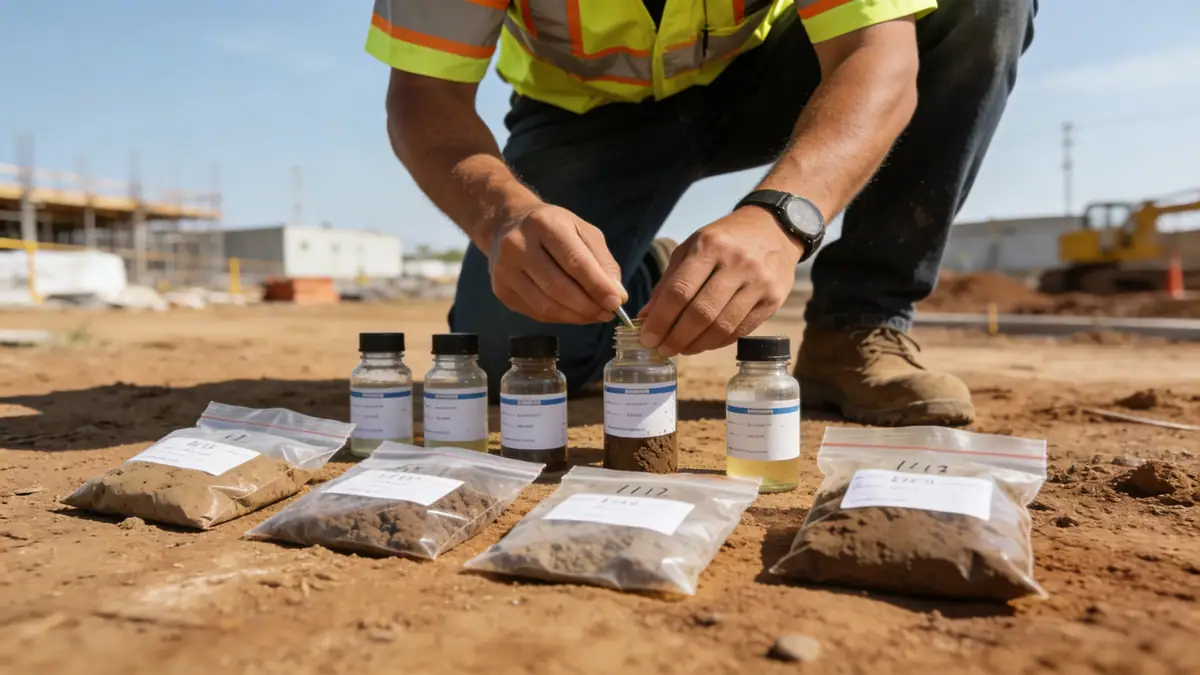
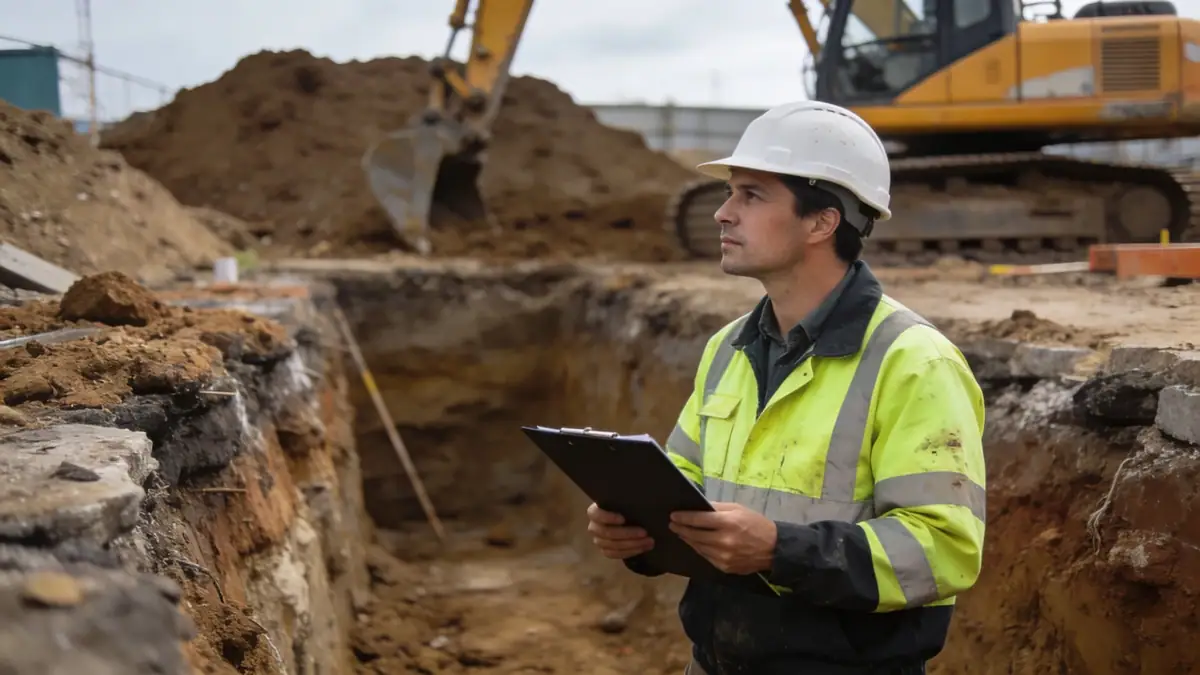
Our methodology for soil mechanics laboratory in Surprise Arizona follows strict adherence to ASTM standards. Field investigations include Standard Penetration Testing (ASTM D1586) at 1.0–1.5 m intervals to depths of 8–15 m for residential projects, with deeper borings for commercial structures. Laboratory analyses encompass grain size distribution (ASTM D6913), Atterberg limits (ASTM D4318), and compaction testing (ASTM D698/D1557). Our soil mechanics laboratory integrates field data with laboratory results to develop site-specific design parameters. This systematic approach ensures that all geotechnical recommendations are founded on robust, verifiable data tailored to Surprise Arizona conditions.
Reference Technical Parameters
| Parameter | Reference Value |
|---|---|
| Predominant soil type | Silty sand (SM) to poorly graded sand (SP) with gravel |
| Maximum seismic acceleration (PGA) | 0.20–0.25g per ASCE 7-16 |
| Typical groundwater level | 15–25 m below ground surface |
| Bedrock depth | >30 m (deep alluvial basin) |
| Typical N60 range | 10–30 blows/ft (medium dense) |
Local Considerations — Surprise Arizona
Surprise Arizona sits within the Basin and Range province, characterized by deep alluvial deposits from the White Tank Mountains. Soils are predominantly silty sands and gravels with variable fines content, requiring careful evaluation for collapsible or expansive behavior. Seismic hazard is moderate (PGA up to 0.25g), necessitating site-specific response analysis under ASCE 7. Groundwater is deep, but localized perched zones near irrigation canals may affect excavations. Older neighborhoods near the original townsite often have undocumented fill, while newer developments require compaction testing for engineered fills. Our granulometry & Atterberg analyses are critical for identifying problematic soils. For broader context, our soil mechanics laboratory en Phoenix provides regional coordination.
Request a Quote
Our team reviews your project and issues an initial report at no cost.
Or write us directly at [email protected]
Services in Surprise Arizona
Applicable Standards
- ASTM D1586
- ASCE 7-16
- IBC 2021
- AASHTO T 99
Frequently Asked Questions
What types of soil are typically found in Surprise Arizona?
Surprise Arizona soils are primarily alluvial silty sands and poorly graded sands with gravel, deposited by ancestral drainage from the White Tank Mountains. These soils are generally medium dense but can contain layers of fine-grained materials that may be collapsible or expansive under moisture changes.
Is seismic analysis required for construction in Surprise Arizona?
Yes, Surprise Arizona is in a moderate seismic zone (PGA 0.20–0.25g). Per ASCE 7-16, site-specific seismic analysis is required for Risk Category III and IV structures, and often recommended for other buildings to account for local soil amplification effects.
Are geotechnical studies mandatory for residential projects in Surprise Arizona?
While not always legally required for single-family homes, geotechnical studies are strongly recommended by local engineering practice and often demanded by lenders or warranty programs. They help identify soil variability, fill presence, and seismic site class, preventing costly foundation failures.