Methodology
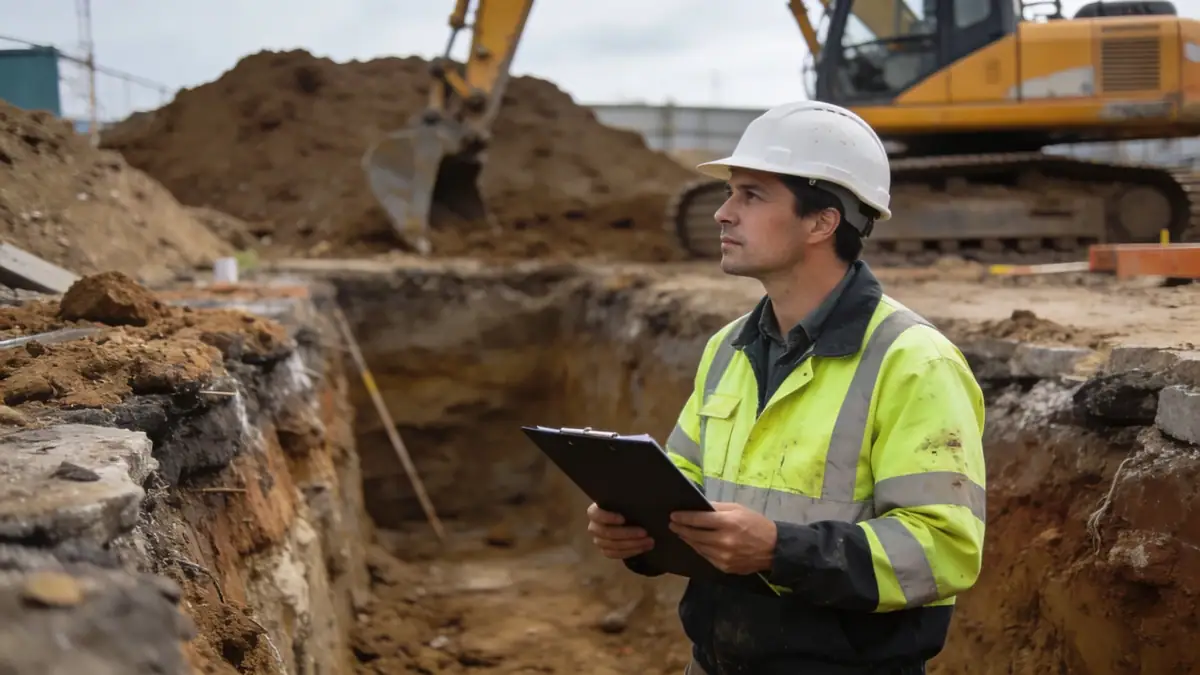
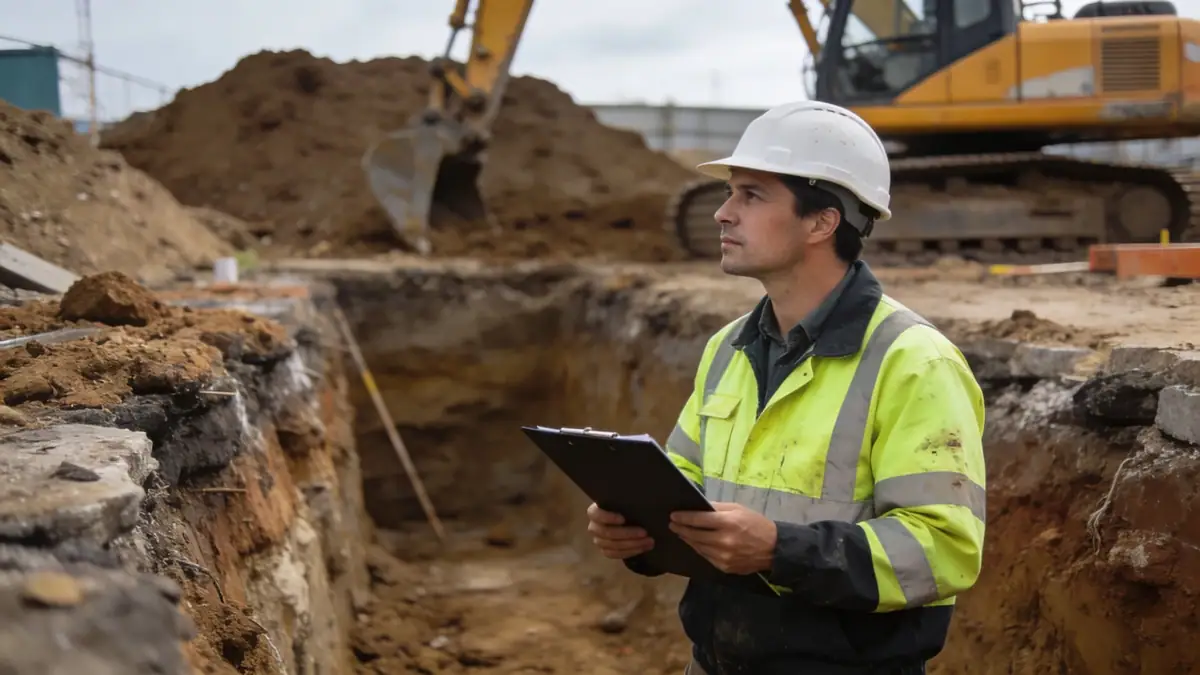
Our methodology for soil mechanics laboratory in Eugene Oregon follows standardized procedures to characterize subsurface conditions accurately. We perform field investigations including Standard Penetration Tests per ASTM D1586, with sampling intervals typically every 1.5 meters. Samples are analyzed in our laboratory for index properties and strength parameters. This systematic approach allows us to develop detailed geotechnical profiles, essential for foundation design and seismic hazard assessment. For further details on our laboratory processes, visit our soil mechanics laboratory page.
Reference Technical Parameters
| Parameter | Reference Value |
|---|---|
| Predominant soil type | Silty clay and sandy gravel |
| Maximum seismic acceleration (PGA) | 0.30g (ASCE 7, Site Class D) |
| Typical groundwater level | 3–8 meters below grade |
| Bedrock depth | 20–50 meters (variable) |
| Typical N60 range | 5–25 blows per foot |
Local Considerations — Eugene Oregon
Eugene Oregon's geology is characterized by Quaternary alluvium overlying Tertiary volcanic and sedimentary bedrock. The shallow water table, often encountered within 8 meters, requires dewatering considerations for excavations. Seismic hazard is significant, with a peak ground acceleration of 0.30g per ASCE 7, necessitating liquefaction assessments in sandy layers. Our firm addresses these challenges through targeted investigations, referencing local case histories such as the 1993 Scotts Mills earthquake. For comprehensive testing, we offer granulometry & atterberg services to evaluate soil plasticity and grain size distribution. Additionally, our team is experienced in coordinating with regional guidelines, ensuring robust foundation solutions.
Request a Quote
Our team reviews your project and issues an initial report at no cost.
Or write us directly at [email protected]
Services in Eugene Oregon
Applicable Standards
- ASTM D1586 (Standard Penetration Test)
- ASTM D2487 (Unified Soil Classification System)
- ASCE 7 (Minimum Design Loads for Buildings)
- IBC 2021 (International Building Code)
- Oregon Structural Specialty Code
Frequently Asked Questions
What soil types are common in Eugene Oregon?
Eugene Oregon typically features silty clays and sandy gravels from alluvial deposits. These soils often have moderate plasticity and variable density, requiring careful laboratory testing for engineering parameters.
Are seismic studies required for construction in Eugene?
Yes, due to regional seismic hazards, projects in Eugene must consider site-specific ground motion. Our soil mechanics laboratory provides data for liquefaction and settlement analyses per ASCE 7 and IBC standards.
Is geotechnical investigation mandatory for residential projects?
While not always mandatory, it is highly recommended for hillside or fill areas. Local building officials often require soil reports to verify foundation support and slope stability. Our firm assists with these assessments.