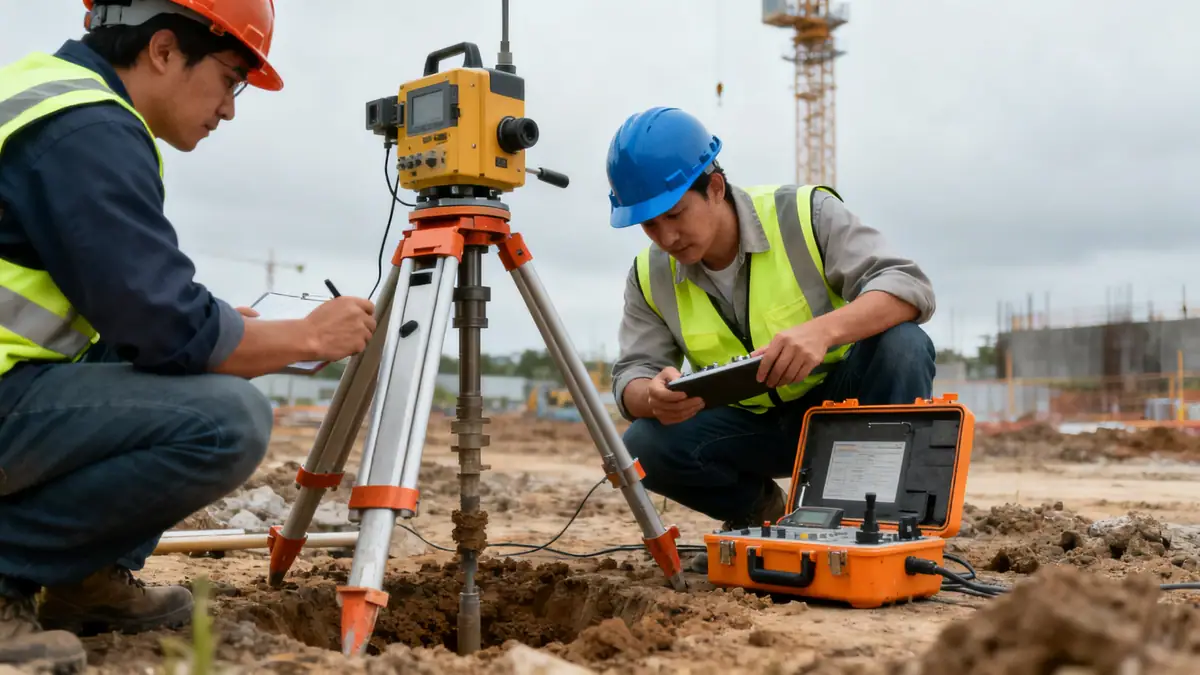
Methodology
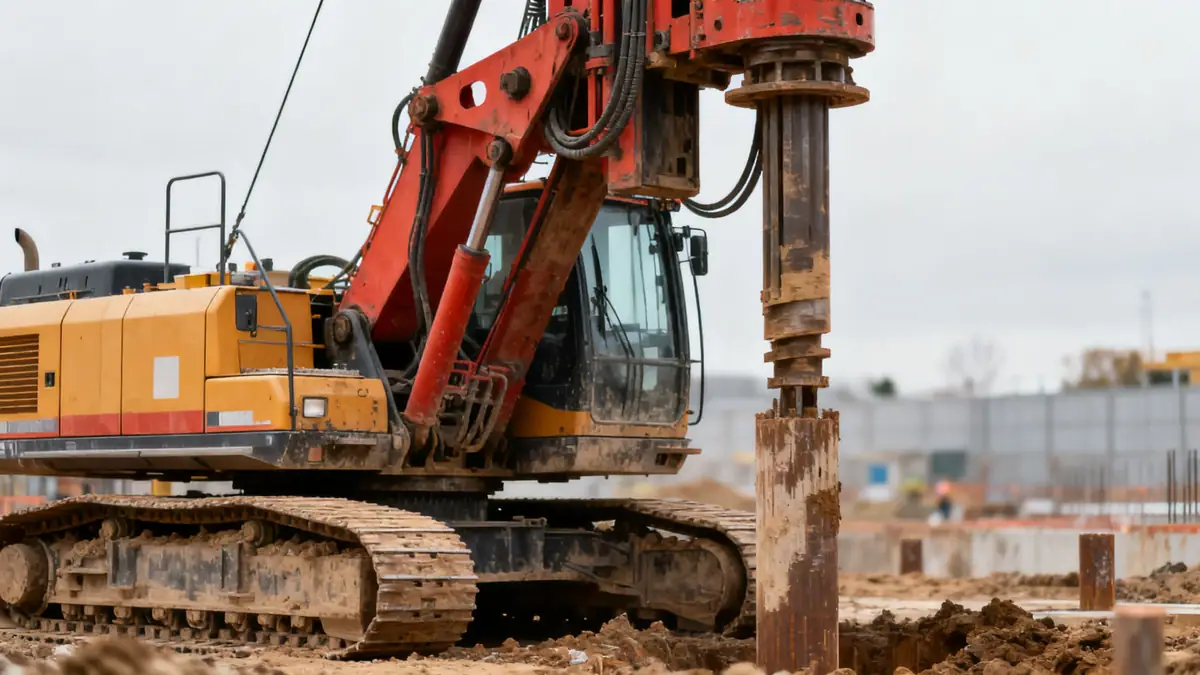
Our methodology for soil mechanics laboratory in Portland Oregon integrates field and laboratory testing to characterize subsurface conditions. We perform standard penetration tests (ASTM D1586) and cone penetration tests to evaluate soil stratigraphy and strength. Laboratory analyses include moisture content, density, and shear strength parameters. For detailed characterization, we refer to our soil mechanics laboratory services, which follow ASTM standards. Our approach ensures reliable data for foundation design, seismic hazard assessment, and earthwork projects, adhering to industry best practices and local regulatory requirements.
Reference Technical Parameters
| Parameter | Reference Value |
|---|---|
| Predominant soil type | Alluvial silts and clays with sandy gravel lenses |
| Maximum seismic acceleration (PGA) | 0.3g to 0.5g (ASCE 7 seismic design category D) |
| Typical groundwater level | 3 to 8 meters below ground surface |
| Bedrock depth | 10 to 50 meters (Columbia River Basalt Group) |
| Typical N60 range | 5 to 30 blows per 0.3m (variable with depth) |
Local Considerations — Portland Oregon
Portland's geology is dominated by Quaternary alluvium from the Willamette and Columbia Rivers, underlain by Miocene Columbia River Basalts. The region experiences high seismicity from the Cascadia subduction zone, with peak ground accelerations up to 0.5g. Groundwater levels vary seasonally, typically 3–8 m deep. Soil conditions differ between downtown (dense sands/gravels) and outer areas (soft silts/clays). Common issues include liquefaction potential in saturated sands and expansive clays in the Tualatin Valley. Our team addresses these through site-specific studies, referencing granulometry & atterberg testing for fine-grained soils.
Request a Quote
Our team reviews your project and issues an initial report at no cost.
Or write us directly at [email protected]
Services in Portland Oregon
Applicable Standards
- ASTM D1586 (Standard Penetration Test)
- ASCE 7 (Minimum Design Loads for Buildings)
- Oregon Structural Specialty Code (OSSC)
- International Building Code (IBC)
Frequently Asked Questions
What are the typical soil types in Portland Oregon for geotechnical studies?
Portland soils are primarily alluvial silts, clays, and sands from the Willamette and Columbia Rivers, with occasional gravel lenses. Deeper layers include weathered basalt from the Columbia River Basalt Group. These variations require careful characterization for foundation design.
What seismic codes apply to soil mechanics laboratory work in Portland Oregon?
Projects must comply with ASCE 7 seismic design categories, typically D or E due to the Cascadia subduction zone. The Oregon Structural Specialty Code (OSSC) adopts IBC provisions, requiring site-specific response spectra and liquefaction analysis for many sites.
Are geotechnical studies mandatory for construction in Portland Oregon?
Yes, the OSSC requires geotechnical investigations for most new buildings and additions, especially in seismic design categories D and above. Studies must evaluate soil bearing capacity, liquefaction, and lateral earth pressures, with reports submitted to the building department.