
Methodology
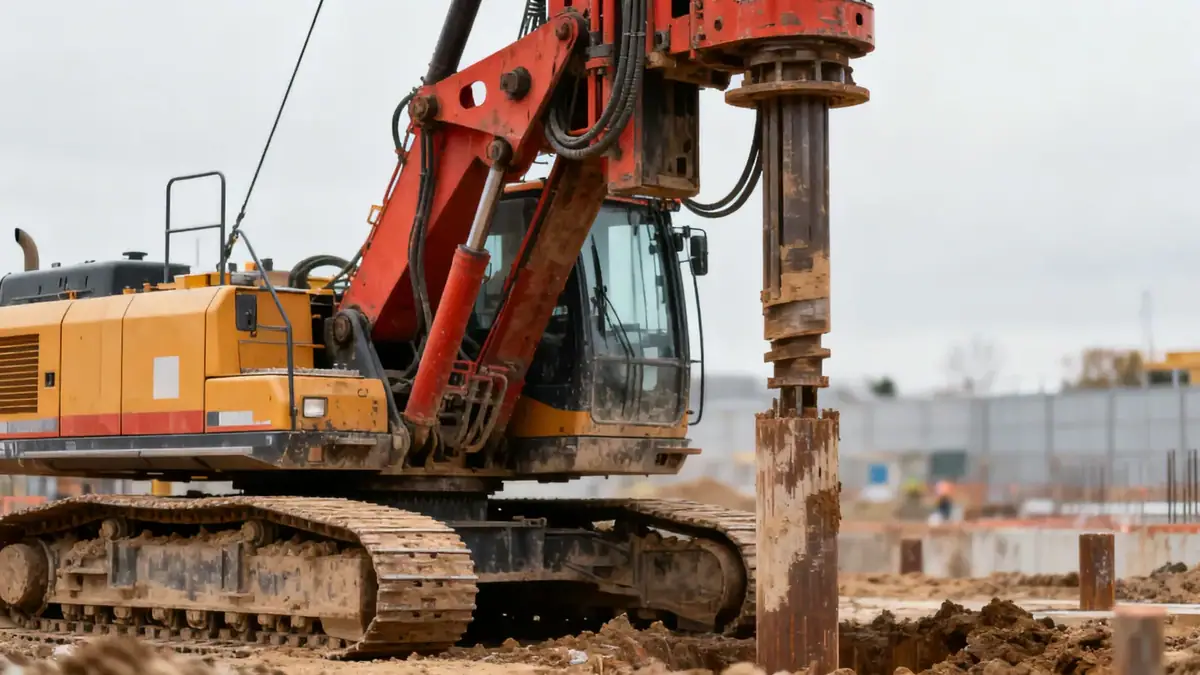
Our methodology for soil mechanics laboratory projects in Missoula begins with a thorough review of site history and existing geological maps. We conduct Standard Penetration Tests (SPT) per ASTM D1586, typically sampling every 1.5 meters to a depth of 10–15 meters for residential structures. In areas with high seismic risk, we extend borings to 30 meters. Our laboratory phase includes grain size analysis (ASTM D6913), Atterberg limits, and Proctor compaction (ASTM D698). For critical projects, we perform triaxial and consolidation tests to evaluate shear strength and settlement. All data is integrated into a geotechnical report tailored to Missoula's building codes. Our team has extensive experience in soil mechanics laboratory procedures across diverse sites.
Reference Technical Parameters
| Parameter | Reference Value |
|---|---|
| Predominant soil type | Alluvial sands and silty gravels with glacial till |
| Maximum seismic acceleration (PGA) | 0.3g (ASCE 7-16 Site Class D) |
| Typical groundwater level | 1.5–4.5 meters below grade |
| Bedrock depth | 15–30 meters (sedimentary bedrock) |
| Typical N60 range | 8–30 blows per 0.3 m |
Local Considerations — Missoula
Missoula's geology is dominated by Quaternary alluvial deposits from the Clark Fork River, underlain by glacial till and Cretaceous sedimentary bedrock. The water table is shallow near the river, requiring dewatering or waterproofing designs. Seismic risk is moderate, with PGA values up to 0.3g per ASCE 7-16, necessitating liquefaction analysis in loose sands. Older neighborhoods near downtown may have undocumented fill, while newer subdivisions on terraces offer more consistent soils. Our firm applies site-specific approaches to these conditions, leveraging our experience from proctor & cbr testing and other services. For broader context, our team also operates from our soil mechanics laboratory en Seattle.
Request a Quote
Our team reviews your project and issues an initial report at no cost.
Or write us directly at [email protected]
Services in Missoula
Applicable Standards
- ASTM D1586 (Standard Penetration Test)
- ASCE 7-16 (Minimum Design Loads and Associated Criteria for Buildings)
- ASTM D2487 (Classification of Soils for Engineering Purposes)
- ASTM D698 (Standard Proctor Compaction)
- IBC 2021 (International Building Code)
Frequently Asked Questions
What soil types are common in Missoula for foundation design?
Missoula's soils primarily consist of alluvial sands, silty gravels, and glacial till. These materials vary in density and moisture content, requiring careful evaluation through SPT and laboratory testing. Our firm provides detailed classification per ASTM D2487 to guide foundation selection.
How does seismic risk affect soil studies in Missoula?
Missoula is in a moderate seismic zone with PGA up to 0.3g per ASCE 7-16. Loose, saturated sands can liquefy during earthquakes. Our team assesses liquefaction potential using SPT and CPT data, ensuring compliance with local building codes for safe design.
Are geotechnical studies mandatory for construction in Missoula?
While not always required for minor structures, most commercial and multi-family projects in Missoula mandate a geotechnical report per IBC. Our firm assists developers in meeting these requirements, providing reliable soil parameters for foundation and earthwork design.