Methodology
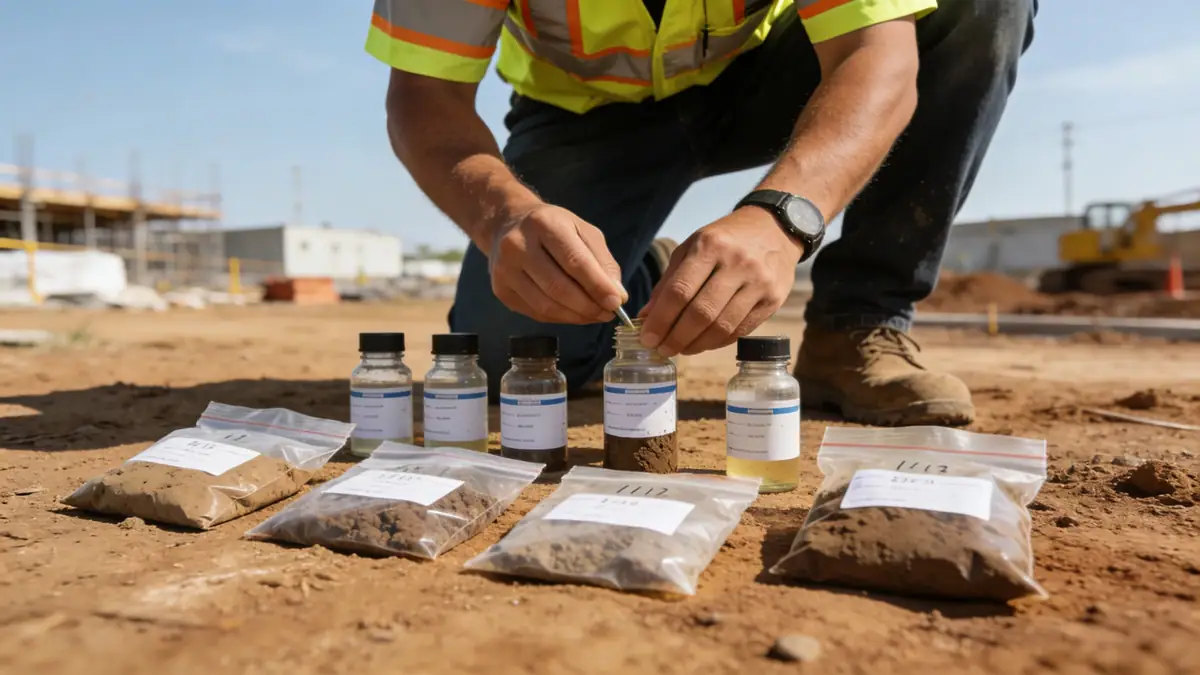
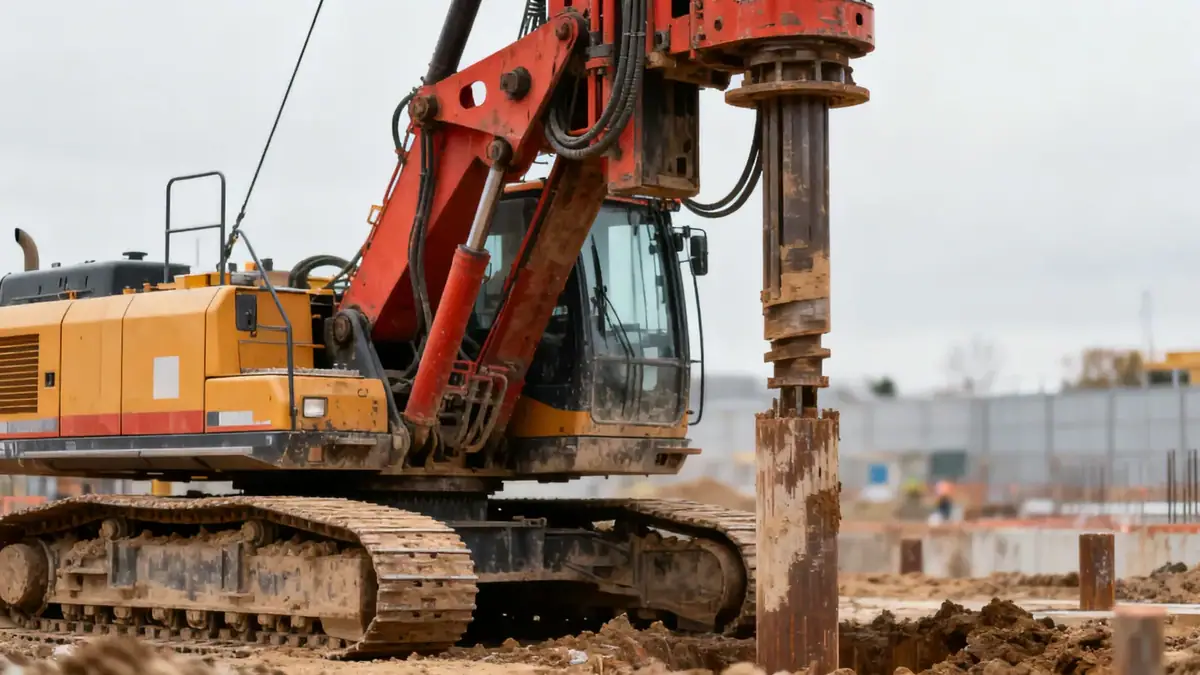
Our approach in Spokane begins with a comprehensive site reconnaissance and review of existing geological maps. We then conduct field investigations using standard penetration testing (SPT) per ASTM D1586, with sampling intervals typically every 1.0 to 1.5 meters to capture soil variability. These samples are transported to our laboratory for a full suite of tests, including moisture content, Atterberg limits, and grain size analysis. The data are synthesized into a geotechnical report that addresses bearing capacity, settlement, and liquefaction potential. For more complex projects, we employ advanced techniques such as triaxial shear testing and consolidation testing to refine parameters for deep foundations and retaining structures. This systematic methodology ensures that each Spokane project receives tailored, defensible recommendations. For further details on our testing capabilities, visit our soil mechanics laboratory page.
Reference Technical Parameters
| Parameter | Reference Value |
|---|---|
| Predominant soil type | Glacial till, sand, silt, and clay interbeds |
| Maximum seismic acceleration (PGA) | 0.2g to 0.3g (ASCE 7-16 Site Class C/D) |
| Typical groundwater level | 3 to 8 meters below grade |
| Bedrock depth | 15 to 30 meters (basalt) |
| Typical N60 range (SPT) | 10 to 40 blows/0.3m |
Local Considerations — Spokane
Spokane's subsurface is dominated by glacial deposits from the Pleistocene, with interbedded sands, silts, and clays overlying basalt bedrock. The city lies within a moderate seismic zone, with peak ground accelerations up to 0.3g per ASCE 7, requiring careful liquefaction assessment in saturated sandy layers. Groundwater levels vary seasonally, typically encountered at depths of 3 to 8 meters. The downtown area often exhibits fill and disturbed soils from historical development, while suburban areas may encounter thicker glacial tills. Common geotechnical challenges include variable bearing capacity and differential settlement. For comprehensive testing tailored to these conditions, refer to our granulometry & atterberg services. Additionally, our team in Seattle offers specialized support for regional projects; learn more about our soil mechanics laboratory en Seattle hub.
Request a Quote
Our team reviews your project and issues an initial report at no cost.
Or write us directly at [email protected]
Services in Spokane
Applicable Standards
- ASTM D1586 (Standard Penetration Test)
- ASCE 7-16 (Minimum Design Loads and Associated Criteria for Buildings and Other Structures)
- IBC 2018 (International Building Code)
- ASTM D2487 (Classification of Soils for Engineering Purposes)
Frequently Asked Questions
What soil types are commonly found in Spokane?
Spokane's soils are predominantly glacial in origin, with interbedded layers of sand, silt, clay, and gravel. Basalt bedrock is generally encountered at depths of 15 to 30 meters. These variable conditions necessitate detailed subsurface investigation for foundation design.
What seismic standards apply to construction in Spokane?
Spokane falls under Seismic Design Category C or D per IBC 2018, with mapped spectral accelerations (SDS) up to 0.5g. Projects must comply with ASCE 7-16 for lateral load design and may require site-specific response spectra for critical structures.
Are geotechnical studies mandatory for building permits in Spokane?
While not always required for small residential projects, most commercial, industrial, and multi-story buildings in Spokane require a geotechnical report. Local building officials often request soil bearing capacity, settlement analysis, and seismic considerations during plan review.