Methodology
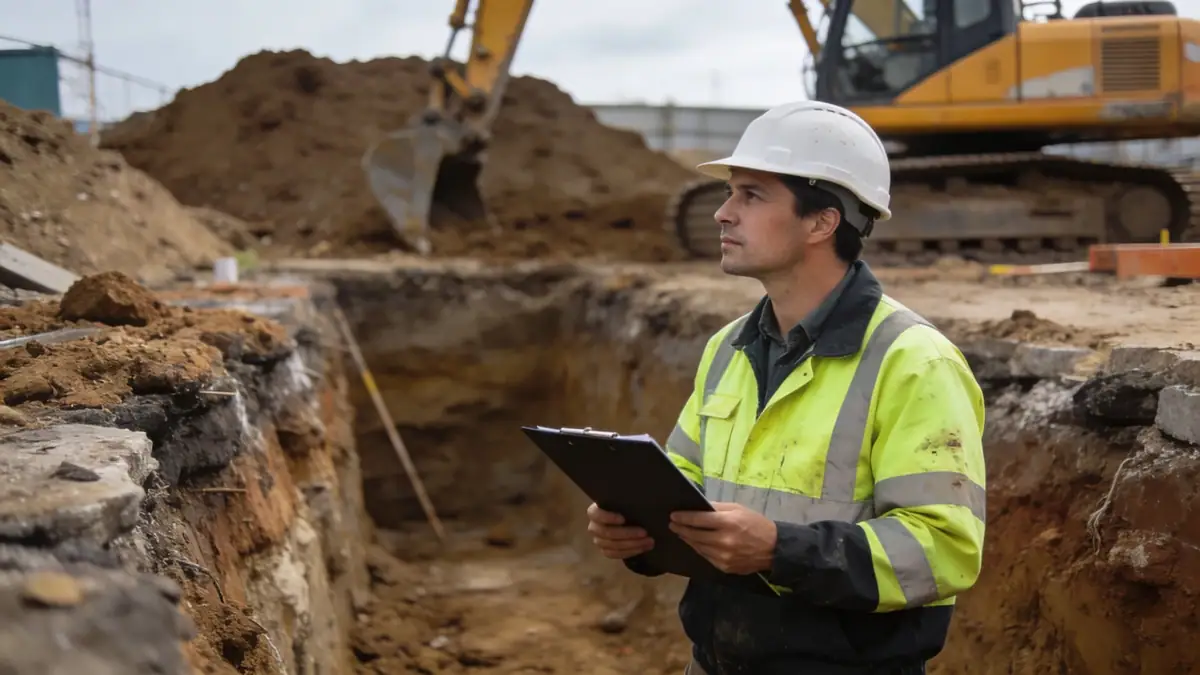
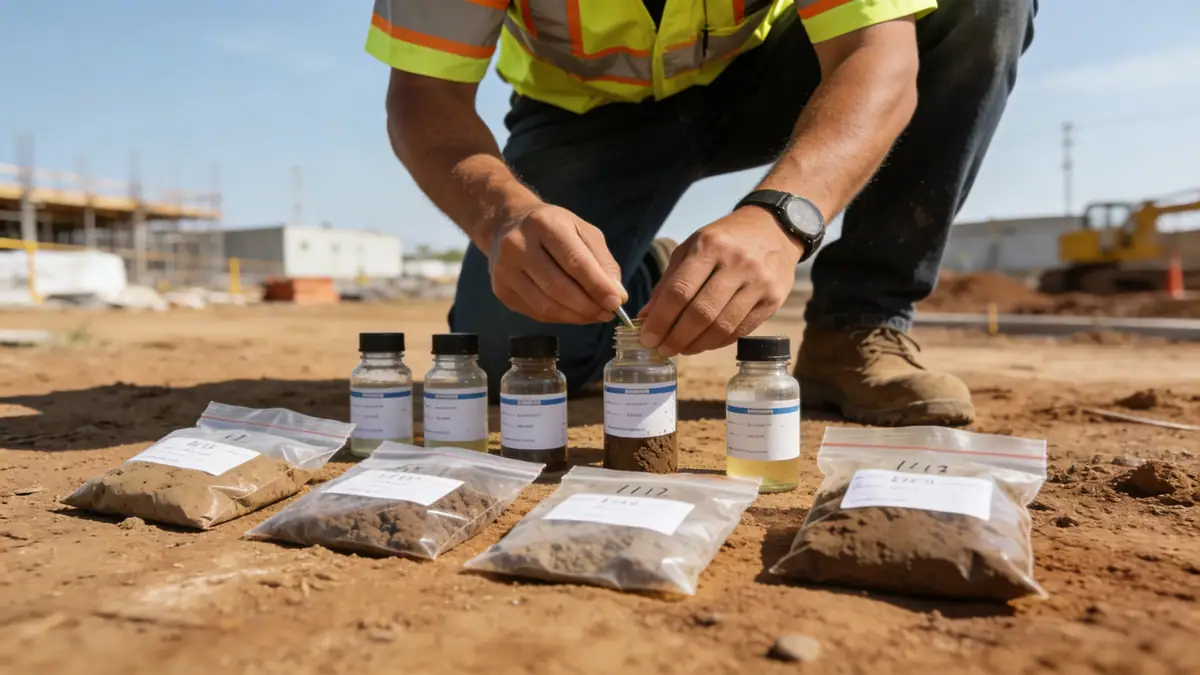
Our methodology for soil mechanics laboratory in Boise Idaho follows standardized procedures tailored to local conditions. We begin with a thorough site reconnaissance and review of existing geological maps. Field investigations include standard penetration testing (SPT) per ASTM D1586, with sampling intervals typically every 1.5 meters to depths of 15–20 meters for residential projects, and up to 30 meters for larger structures. Laboratory testing covers index properties, compaction, and strength parameters. All work is integrated with our soil mechanics laboratory protocols to ensure consistency and accuracy in reporting.
Reference Technical Parameters
| Parameter | Reference Value |
|---|---|
| Predominant soil type | Silty sands and gravels with clay lenses |
| Maximum seismic acceleration (PGA) | 0.25g (ASCE 7-16, Site Class D) |
| Typical groundwater level | 5–15 ft below grade |
| Bedrock depth | 30–100 ft (weathered basalt or sedimentary rock) |
| Typical N60 range (SPT) | 10–50 blows/ft |
Local Considerations — Boise Idaho
Boise Idaho's geology is dominated by Quaternary alluvial deposits from the Boise River, with silty sands, gravels, and occasional clay layers. The water table fluctuates seasonally, often within 5–15 feet, requiring dewatering considerations for excavations. Seismically, the region is in ASCE 7 Seismic Design Category D, with a PGA of 0.25g, demanding thorough liquefaction assessments in loose saturated sands. Older neighborhoods near downtown may have undocumented fills, while newer subdivisions on the Bench encounter stiff soils over basalt. Local case studies include differential settlement in poorly compacted fills and foundation heave due to expansive clays. For broader context, our soil mechanics laboratory en Seattle team addresses similar alluvial challenges in the Pacific Northwest.
Request a Quote
Our team reviews your project and issues an initial report at no cost.
Or write us directly at [email protected]
Services in Boise Idaho
Applicable Standards
- ASTM D1586 (Standard Penetration Test)
- ASCE 7-16 (Minimum Design Loads for Buildings)
- IBC 2021 (International Building Code)
- ASTM D2487 (Unified Soil Classification System)
- ASTM D698 (Standard Proctor Compaction)
Frequently Asked Questions
What soil types are commonly encountered in Boise Idaho?
Boise Idaho's soils are primarily alluvial silty sands and gravels from the Boise River, with localized clay lenses. The Bench areas feature denser soils over basalt, while downtown areas may have fill materials. Understanding these variations is critical for foundation design.
How does seismic activity in Boise Idaho affect soil testing requirements?
Boise Idaho falls under ASCE 7 Seismic Design Category D, with a PGA of 0.25g. This necessitates site-specific liquefaction and lateral spread analyses per IBC 2021. Soil mechanics laboratory testing includes cyclic triaxial or CPT-based liquefaction assessments to evaluate risk.
Are soil mechanics studies mandatory for construction in Boise Idaho?
While Idaho does not have a statewide mandate, most local jurisdictions require geotechnical reports for building permits, especially for commercial or multi-story projects. The 2021 IBC, adopted by Boise, enforces site characterization for seismic design, making soil studies essential for compliance.