
Methodology
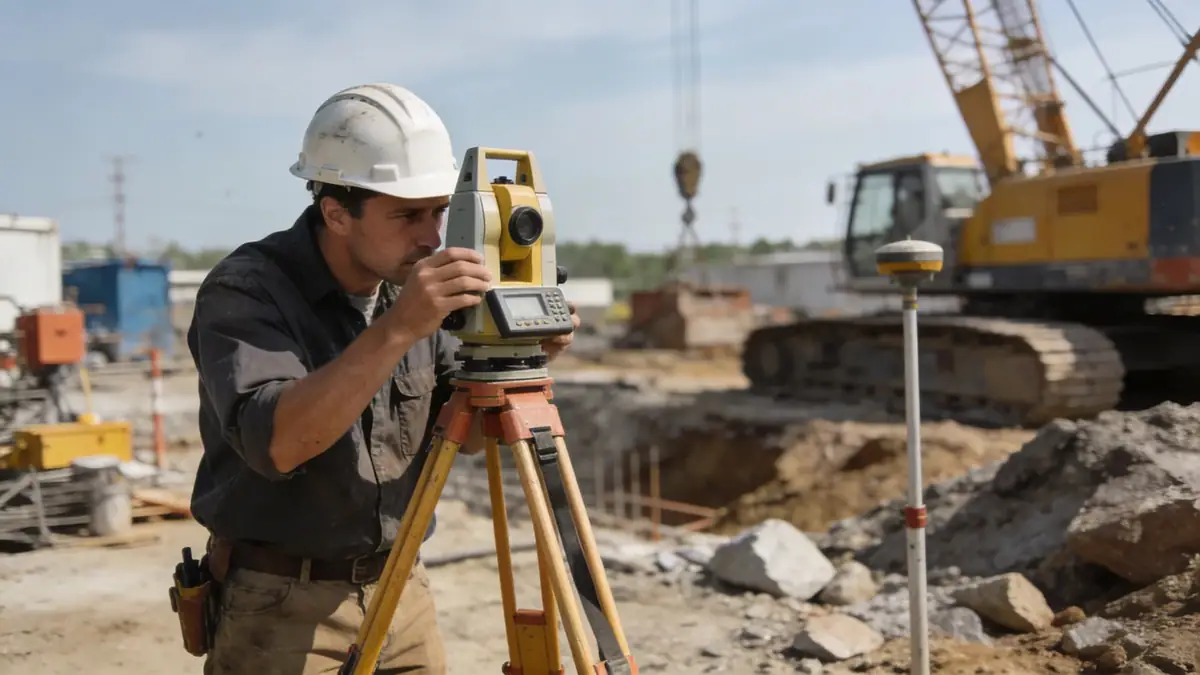
Our methodology for soil mechanics laboratory in Columbus Ohio follows ASTM D1586 for standard penetration testing, with sampling intervals of 1.5 meters to capture stratigraphic variability. We also employ continuous CPT soundings at 2 cm increments for detailed profiling. All field and laboratory procedures adhere to ASTM standards, ensuring consistency and accuracy. Our team integrates geotechnical analysis with local seismic hazard data to provide comprehensive recommendations. For more details on our core capabilities, visit our soil mechanics laboratory page.
Reference Technical Parameters
| Parameter | Reference Value |
|---|---|
| Predominant soil type | Glacial till with interbedded sands and clays |
| Maximum seismic acceleration (PGA) | 0.15g to 0.20g (ASCE 7-16) |
| Typical groundwater level | 4 to 8 meters below surface |
| Bedrock depth | 15 to 30 meters (Ohio Shale) |
| Typical N60 range | 10 to 40 blows per foot |
Local Considerations — Columbus Ohio
Columbus, Ohio, lies within the glaciated Central Lowlands, characterized by glacial till, lacustrine deposits, and outwash sands. The city's seismic hazard is moderate, with peak ground accelerations of 0.15g to 0.20g per ASCE 7-16, requiring site-specific response analysis for essential facilities. Groundwater levels are typically shallow in river valleys (Scioto and Olentangy) but deeper in upland areas. Our team has observed contrasting soil conditions between downtown fill and suburban glacial tills. Typical projects include high-rise foundations and road embankments. For granular analysis, see our granulometry & atterberg service.
Request a Quote
Our team reviews your project and issues an initial report at no cost.
Or write us directly at [email protected]
Services in Columbus Ohio
Applicable Standards
- ASTM D1586 (Standard Penetration Test)
- ASCE 7-16 (Minimum Design Loads)
- Ohio Building Code (OBC) 2017
- ASTM D2487 (Unified Soil Classification)
- ASTM D4318 (Atterberg Limits)
Frequently Asked Questions
What are the predominant soil types in Columbus Ohio?
The predominant soils in Columbus are glacial tills, lacustrine clays, and outwash sands. These deposits vary in density and composition, with tills often containing cobbles. Understanding this variability is essential for foundation design and is a key focus of our soil mechanics laboratory in Columbus Ohio.
What seismic design requirements apply in Columbus Ohio?
Columbus is in Seismic Design Category B per ASCE 7-16, with moderate PGA values of 0.15g to 0.20g. Site-specific response spectra are required for essential facilities. Our team applies these criteria to all local projects, ensuring compliance with the Ohio Building Code.
Are soil studies mandatory for construction in Columbus Ohio?
Yes, most jurisdictions in Columbus require a geotechnical report for building permits, especially for structures with deep foundations or high loads. The Ohio Building Code mandates subsurface investigations to determine soil bearing capacity and settlement potential. Our laboratory provides the necessary testing and documentation.