Methodology
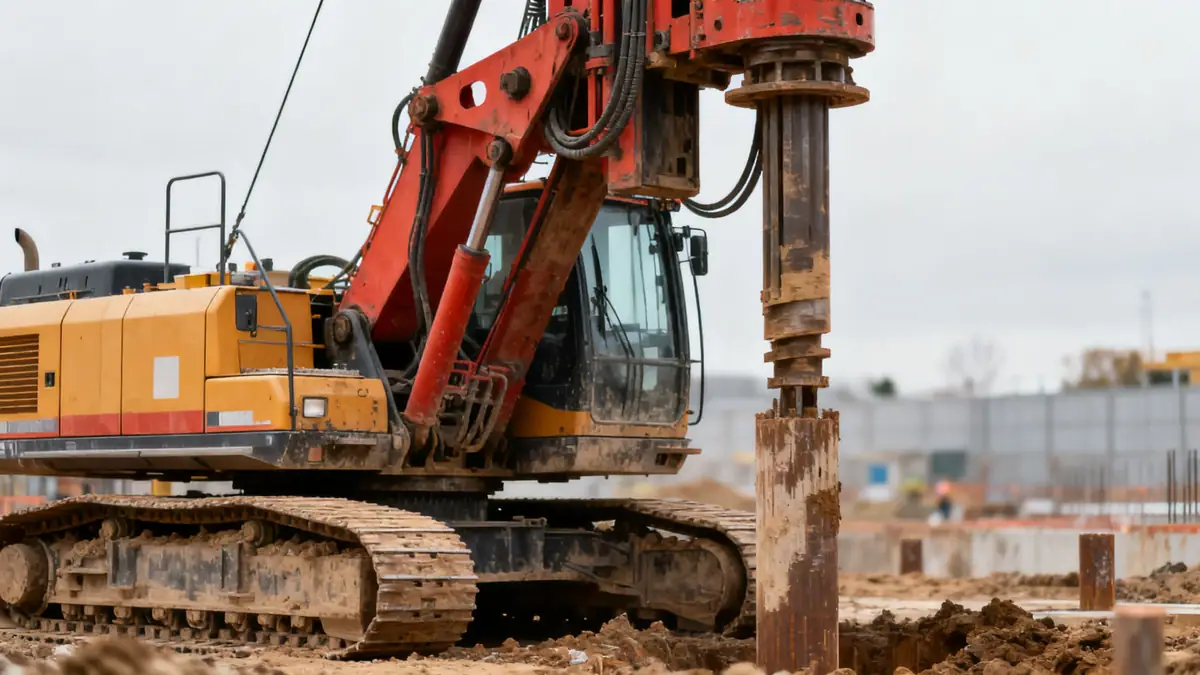
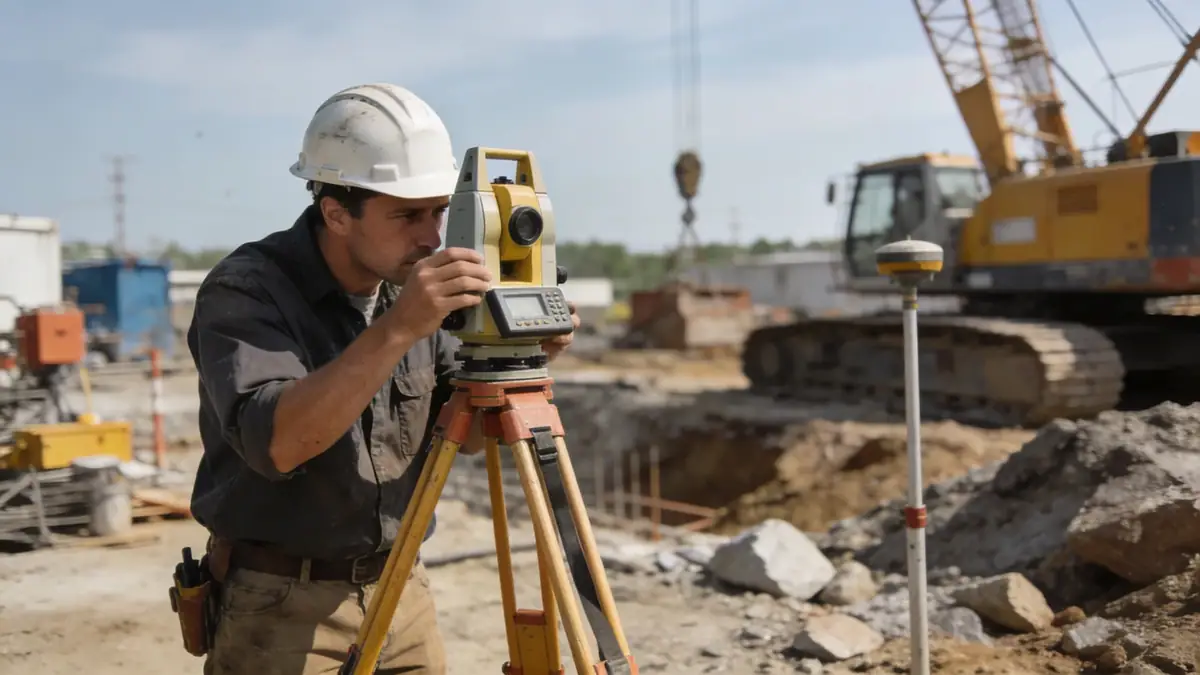
Our methodology for projects in Aurora Illinois begins with a comprehensive site visit to assess surface conditions and identify potential hazards such as high groundwater or soft soils. We then conduct soil borings using standard penetration testing (SPT) per ASTM D1586, with sampling intervals typically every 1.5 meters. Samples are transported to our soil mechanics laboratory for classification, including granulometry and Atterberg limits. Our approach ensures that each project receives tailored testing protocols, from routine soil classification to advanced consolidated undrained triaxial tests. This systematic process supports reliable foundation design and compliance with local building codes.
Reference Technical Parameters
| Parameter | Reference Value |
|---|---|
| Predominant soil type | Glacial till and lacustrine clay |
| Maximum seismic acceleration (PGA) | 0.15g (ASCE 7-16) |
| Typical groundwater level | 3–6 m below ground surface |
| Bedrock depth | 30–60 m (dolomite) |
| Typical N60 range | 10–30 blows/0.3 m |
Local Considerations — Aurora Illinois
Auroria Illinois sits within the Great Lakes Plain, characterized by glacial deposits over Paleozoic bedrock. The Fox River valley exhibits alluvial silts and sands with shallow groundwater, while upland areas feature stiff glacial tills. Seismic design follows ASCE 7-16 with a maximum considered earthquake acceleration of 0.15g. Local ordinances in Aurora require geotechnical investigations for most new construction, especially in floodplain zones. For projects requiring specialized services, our team collaborates with our soil mechanics laboratory en Chicago to ensure comprehensive coverage.
Request a Quote
Our team reviews your project and issues an initial report at no cost.
Or write us directly at [email protected]
Services in Aurora Illinois
Applicable Standards
- ASTM D1586
- ASCE 7-16
- IBC 2021
- Aurora Municipal Code Chapter 18
Frequently Asked Questions
What types of soil are commonly found in Aurora Illinois?
Aurora Illinois predominantly features glacial till, lacustrine clays, and alluvial deposits along the Fox River. These soils vary in density and moisture content, requiring site-specific testing for accurate foundation design.
Is a soil mechanics laboratory study mandatory for construction in Aurora?
Yes, Aurora’s building code requires a geotechnical report for most new structures, especially in floodplain areas. The study must comply with ASTM standards and include soil classification, bearing capacity, and groundwater assessment.
How does seismic hazard affect soil testing in Aurora Illinois?
Aurora is in Seismic Design Category B per ASCE 7-16, with a PGA of 0.15g. Soil liquefaction potential must be evaluated for saturated sands, and our laboratory performs cyclic triaxial tests when required.