Methodology
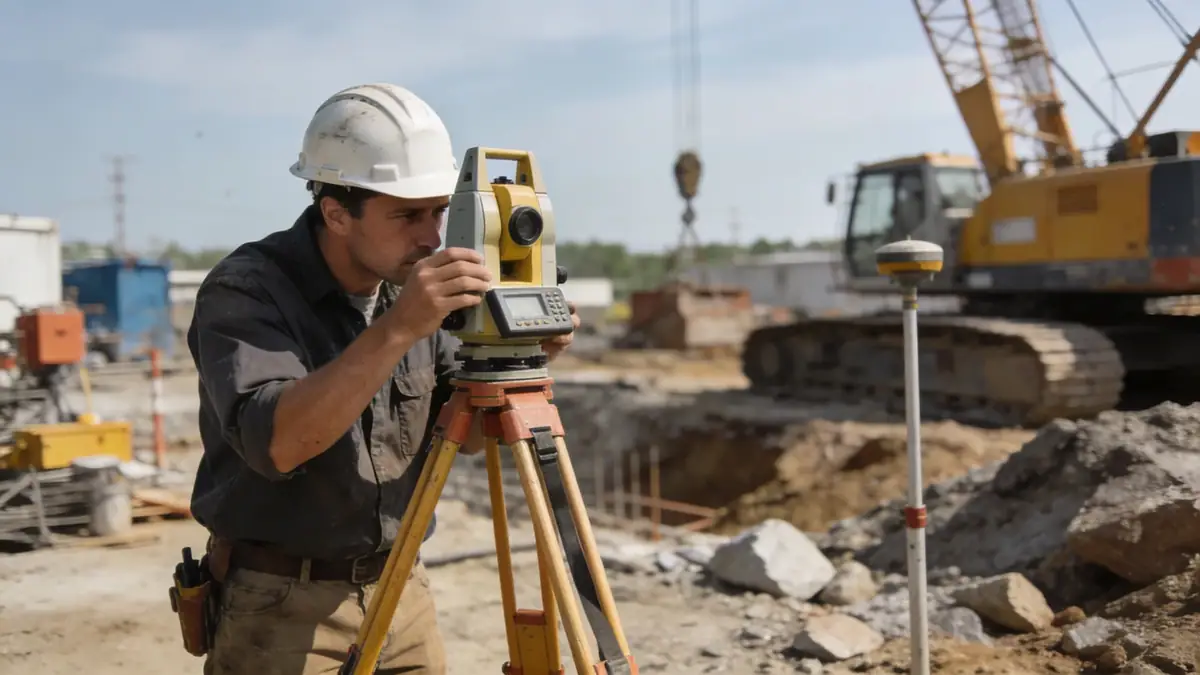
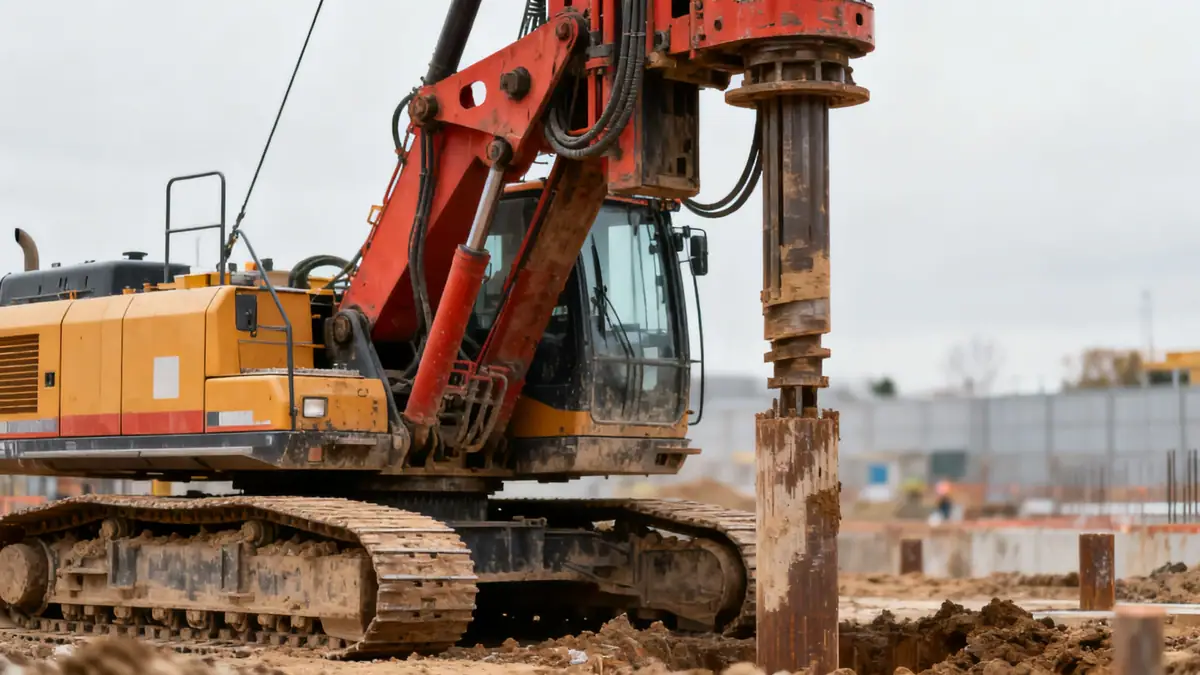
Our methodology for soil mechanics laboratory in Cincinnati follows ASTM standards, including ASTM D1586 for Standard Penetration Test (SPT) sampling. We conduct field investigations with boreholes and test pits, complemented by laboratory tests such as grain size analysis, Atterberg limits, and compaction testing. Our approach ensures representative soil characterization for geotechnical design. For more on our core services, visit our soil mechanics laboratory page.
Reference Technical Parameters
| Parameter | Reference Value |
|---|---|
| Predominant soil type | Glacial till and alluvial deposits |
| Maximum seismic acceleration (PGA) | 0.15g (ASCE 7-16) |
| Typical groundwater level | 3–8 m below surface |
| Bedrock depth | 15–30 m (shale and limestone) |
| Typical N60 range | 10–30 blows/0.3 m |
Local Considerations — Cincinnati
Cincinnati's geology varies significantly between the downtown basin (deep alluvial soils) and the hilltop neighborhoods (shallow bedrock). Our team has extensive experience navigating these contrasts, from high-rise foundations in the central business district to residential developments in the suburbs. Local seismic considerations per ASCE 7 require site-specific response analysis for certain structures. Groundwater levels fluctuate with the Ohio River, affecting excavation and foundation design. We have supported projects addressing these challenges, including slope stabilization along the riverfront. For specialized testing, we offer granulometry & atterberg services to classify soil behavior.
Request a Quote
Our team reviews your project and issues an initial report at no cost.
Or write us directly at [email protected]
Services in Cincinnati
Applicable Standards
- ASTM D1586 (Standard Penetration Test)
- ASCE 7-16 (Minimum Design Loads for Buildings)
- IBC 2021 (International Building Code)
- Ohio Administrative Code Section 4101:1 (Building Codes)
Frequently Asked Questions
What types of soil are commonly found in Cincinnati?
Cincinnati's soils are predominantly glacial till and alluvial deposits from the Ohio River. The till contains a mix of clay, silt, sand, and gravel, while alluvial soils are more stratified. Bedrock consists of Ordovician shales and limestones, typically encountered at depths of 15–30 m.
Is seismic analysis required for construction in Cincinnati?
Yes, according to ASCE 7-16, Cincinnati is in Seismic Design Category B or C depending on soil class. Site-specific seismic response analysis may be required for critical structures. Our laboratory provides soil dynamic testing to support such evaluations.
Are soil mechanics studies mandatory for building permits in Cincinnati?
While not always mandatory for all projects, most commercial and multi-family residential buildings require a geotechnical report per IBC 2021. Local codes may also require soil testing for foundations, especially in areas with known fill or high groundwater. Our team assists with compliance.