Methodology
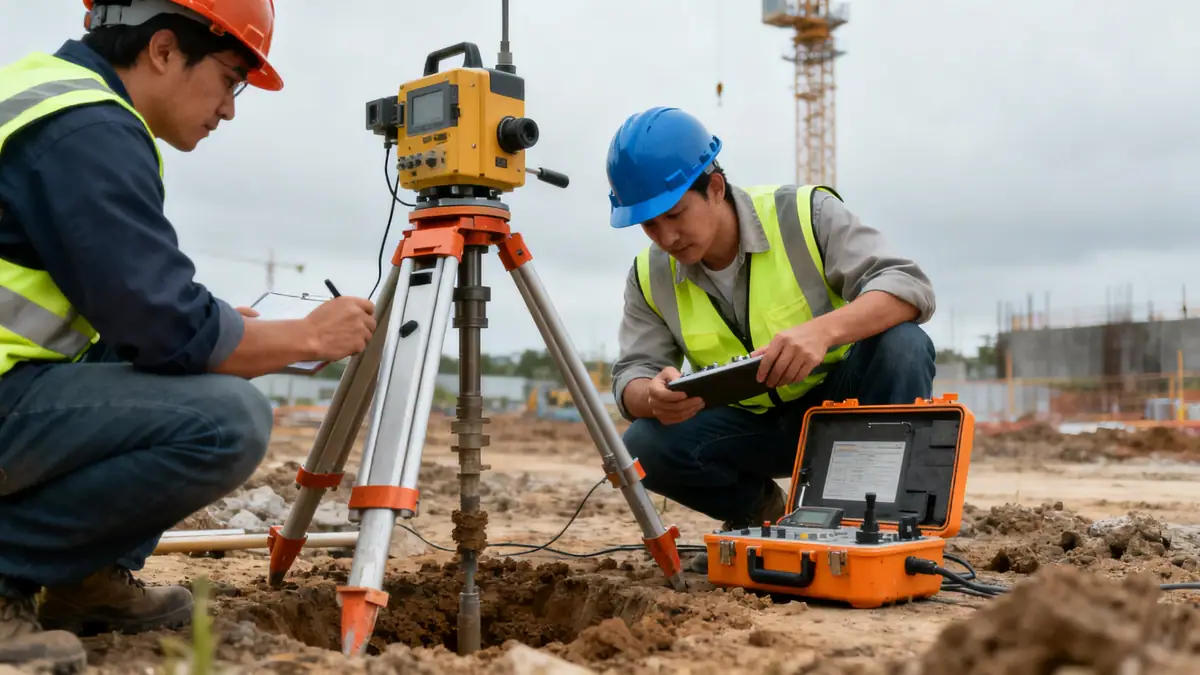
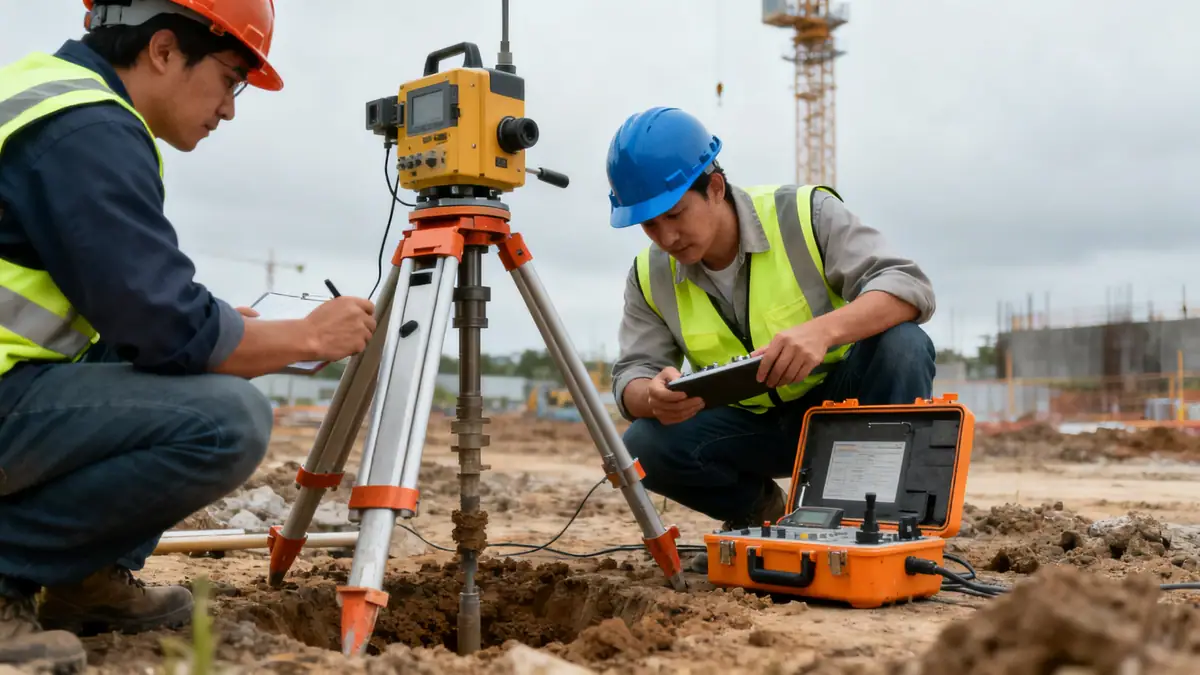
Our methodology in Fargo follows a systematic approach to soil mechanics laboratory testing, beginning with a thorough review of project requirements and local geologic maps. For subsurface exploration, we employ Standard Penetration Testing (SPT) per ASTM D1586, with sampling intervals typically every 1.5 m to depths of 15 m for residential structures. All samples are transported to our laboratory for classification and mechanical testing. Our soil mechanics laboratory integrates advanced equipment for index properties, compaction, and strength tests. We adhere to ASTM standards for every procedure, ensuring repeatability and accuracy. Data is compiled into comprehensive reports with clear recommendations, facilitating informed decision-making by design teams. This rigorous process has proven effective across Fargo's varied soil profiles, from clay-rich floodplains to sandy glacial outwash.
Reference Technical Parameters
| Parameter | Reference Value |
|---|---|
| Predominant soil type | Fat clay (CH) and lean clay (CL) with silt |
| Maximum seismic acceleration (PGA) | 0.08 g (ASCE 7-16) |
| Typical groundwater level | 1.5–3.0 m below ground surface |
| Bedrock depth | >30 m (deep sedimentary basin) |
| Typical N60 range | 5–15 blows/0.3 m (clay); 10–30 blows/0.3 m (sand) |
Local Considerations — Fargo
Fargo's geotechnical landscape is dominated by the Red River Valley's glaciolacustrine deposits, consisting of highly plastic clays and silts with low bearing capacity. High groundwater levels (typically 1.5–3.0 m below surface) necessitate dewatering considerations and uplift resistance. Seismic hazard is low (PGA 0.08 g per ASCE 7), yet liquefaction potential exists in loose saturated sands. Older downtown areas may have undocumented fills, while newer subdivisions on former agricultural land often require subgrade improvement. Our team has extensive local experience, having conducted numerous investigations for flood mitigation structures and residential foundations. We also provide services from our granulometry & atterberg laboratory to precisely classify these challenging soils. For projects requiring broader regional support, our soil mechanics laboratory en Chicago offers additional capacity.
Request a Quote
Our team reviews your project and issues an initial report at no cost.
Or write us directly at [email protected]
Services in Fargo
Applicable Standards
- ASTM D1586 (Standard Penetration Test)
- ASCE 7-16 (Minimum Design Loads for Buildings)
- ASTM D698 (Standard Proctor)
- ASTM D4318 (Atterberg Limits)
- Fargo Municipal Code – Chapter 36 (Stormwater Management)
Frequently Asked Questions
What are the predominant soil types in Fargo?
The predominant soils are fat clays (CH) and lean clays (CL) with significant silt content, deposited by glacial Lake Agassiz. These soils exhibit high plasticity and low permeability, posing challenges for drainage and compaction. Sandy lenses are occasionally encountered beneath the clay layers.
Is seismic design required for structures in Fargo?
Yes, per ASCE 7-16, Fargo falls within Seismic Design Category A or B with a PGA of 0.08 g. While seismic risk is low, local building codes still require consideration of lateral loads. Our laboratory provides dynamic testing parameters for site-specific response analysis when needed.
Are soil mechanics studies mandatory for construction in Fargo?
The Fargo Municipal Code requires geotechnical investigations for most new buildings, especially those with foundations on expansive clays or in flood-prone areas. A minimum of one soil boring per 2,000 sq ft of building area is typical, with laboratory testing per ASTM standards to determine bearing capacity and settlement potential.