Methodology
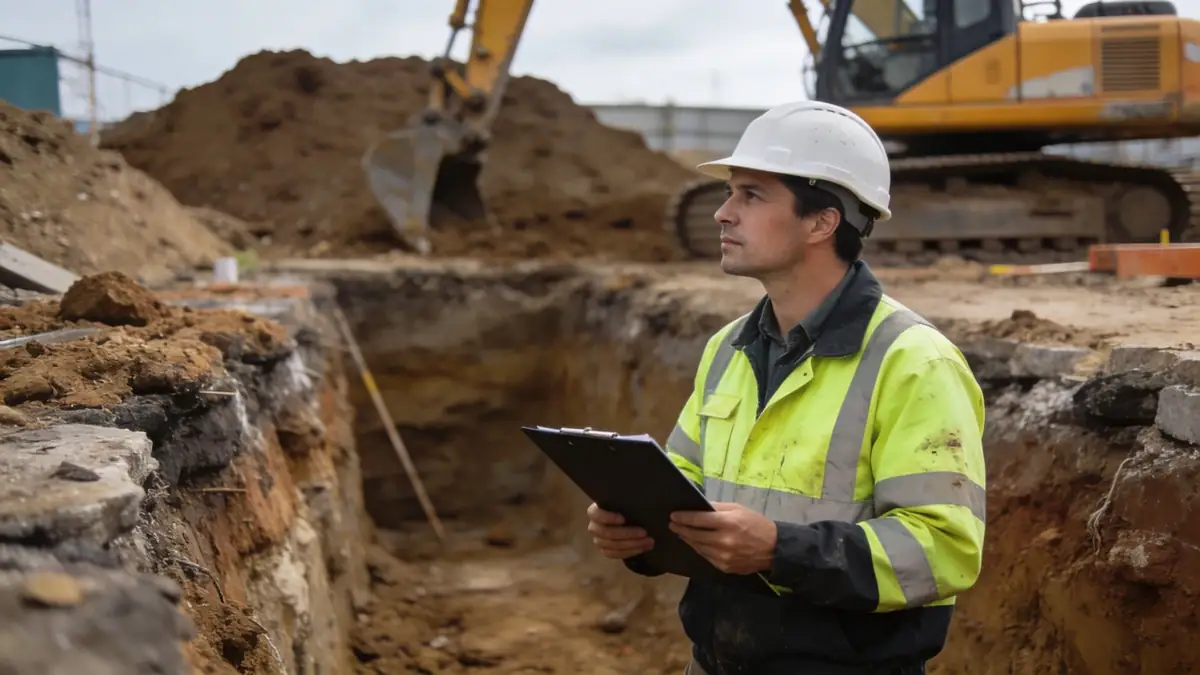
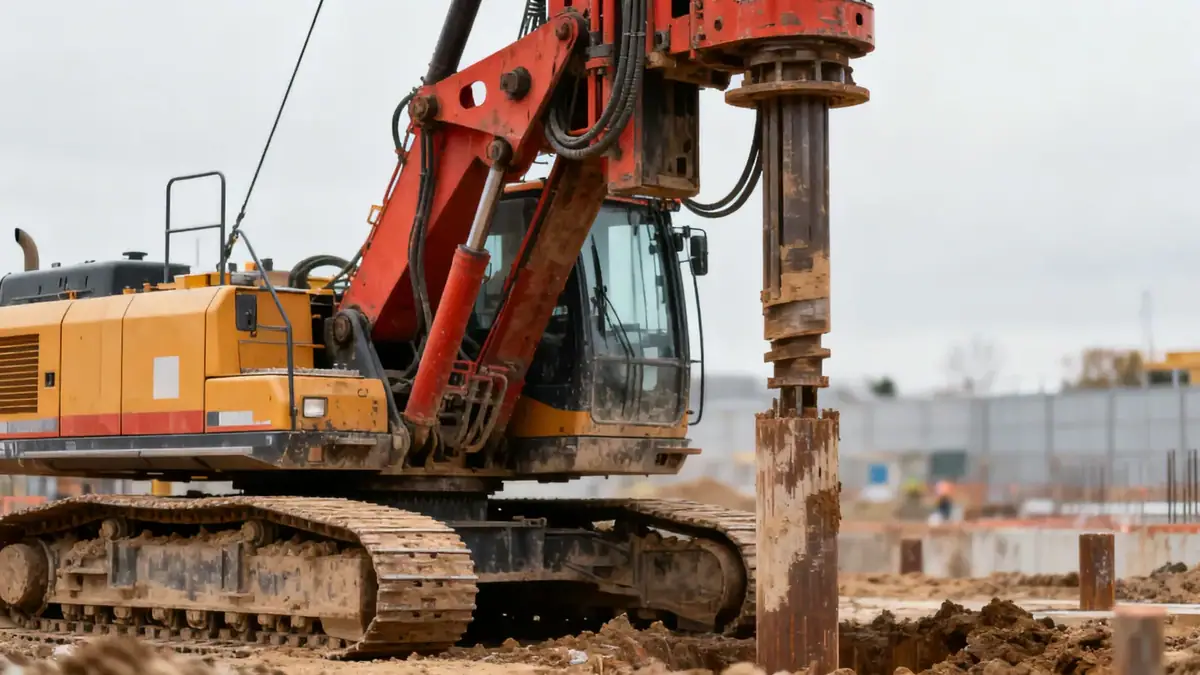
Our methodology for soil mechanics laboratory in Akron follows a systematic approach tailored to the region's geology. We begin with a thorough review of existing geologic maps and records. Field investigations include standard penetration testing per ASTM D1586, with sampling intervals every 1.0 to 1.5 meters to capture stratigraphic variability. Laboratory testing encompasses index properties, Proctor compaction, and triaxial shear strength. All procedures adhere to ASTM standards. Our team integrates field and lab data to develop geotechnical profiles and design parameters. For further details on our comprehensive soil mechanics laboratory services, please refer to the respective service page.
Reference Technical Parameters
| Parameter | Reference Value |
|---|---|
| Predominant soil type | Glacial till, lacustrine silt/clay, alluvium |
| Maximum seismic acceleration (PGA) | 0.15g – 0.20g (per ASCE 7-16) |
| Typical groundwater level | 3–6 m below surface (varies seasonally) |
| Bedrock depth | 10–30 m (sandstone/shale) |
| Typical N60 range | 4–10 (soft to firm till); 10–30 (dense till) |
Local Considerations — Akron
Akron's geology is dominated by Pleistocene glacial deposits, including till, outwash, and lacustrine sediments. The region is in a moderate seismic zone (ASCE 7 maps indicate PGA up to 0.2g). Groundwater levels are shallow in low-lying areas, often requiring dewatering for excavations. Local building codes reference the Ohio Building Code and ASCE 7. Our team has addressed challenges such as variable fill in former industrial zones and soft clays near the Cuyahoga River. For specialized testing, we offer granulometry & Atterberg analysis to classify fine-grained soils accurately. Additionally, our proctor & cbr testing supports pavement and compaction quality control. For broader context, our soil mechanics laboratory in Chicago provides similar expertise for that metropolitan area.
Request a Quote
Our team reviews your project and issues an initial report at no cost.
Or write us directly at [email protected]
Services in Akron
Applicable Standards
- ASTM D1586
- ASTM D698
- ASTM D1557
- ASTM D3080
- ASTM D2435
- ASCE 7-16
- Ohio Building Code
Frequently Asked Questions
What types of soil are commonly found in Akron?
Akron's subsurface predominantly consists of glacial till, lacustrine deposits (silts and clays), and alluvial soils along valleys. These materials vary in density and plasticity, requiring careful characterization for foundation design.
Is seismic design required for structures in Akron?
Yes, according to ASCE 7-16, Akron falls in a moderate seismic zone with PGA values of 0.15–0.20g. Site-specific soil factors (Site Class D or E) often amplify ground motions, so seismic analysis is necessary for most buildings.
Are geotechnical investigations mandatory for construction in Akron?
While not explicitly required for all projects, the Ohio Building Code strongly recommends geotechnical investigations for any structure. Lenders and insurers often mandate soil studies for risk mitigation. Our firm provides the necessary laboratory testing to meet code requirements.