Methodology
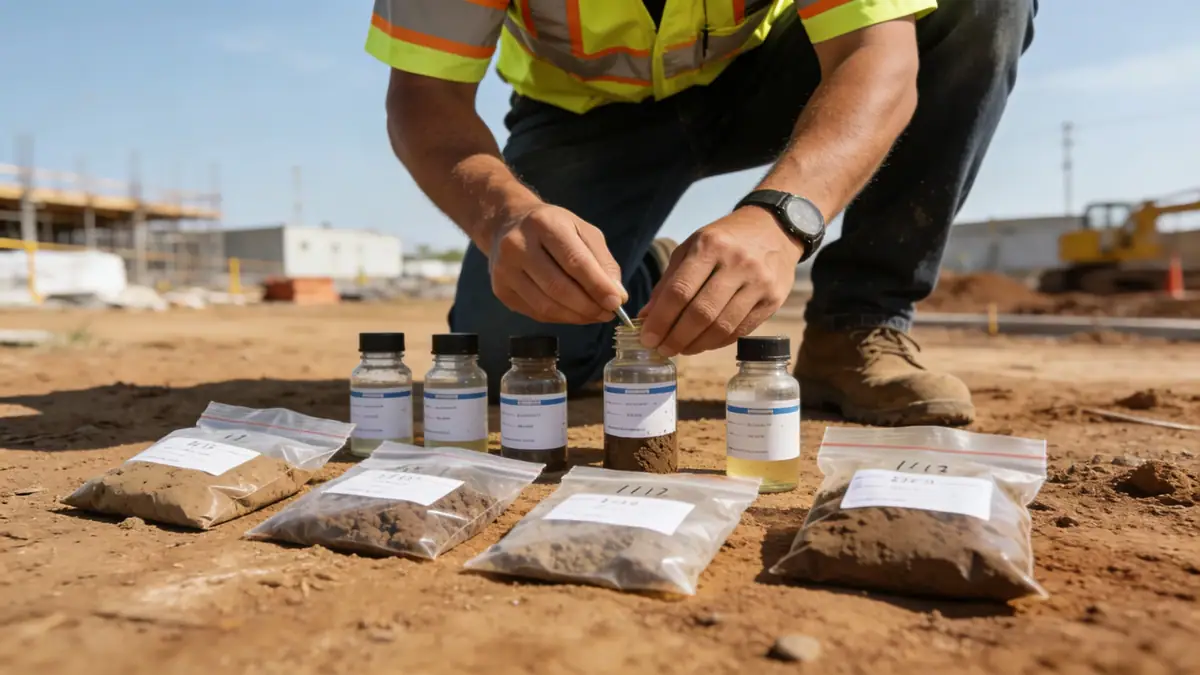
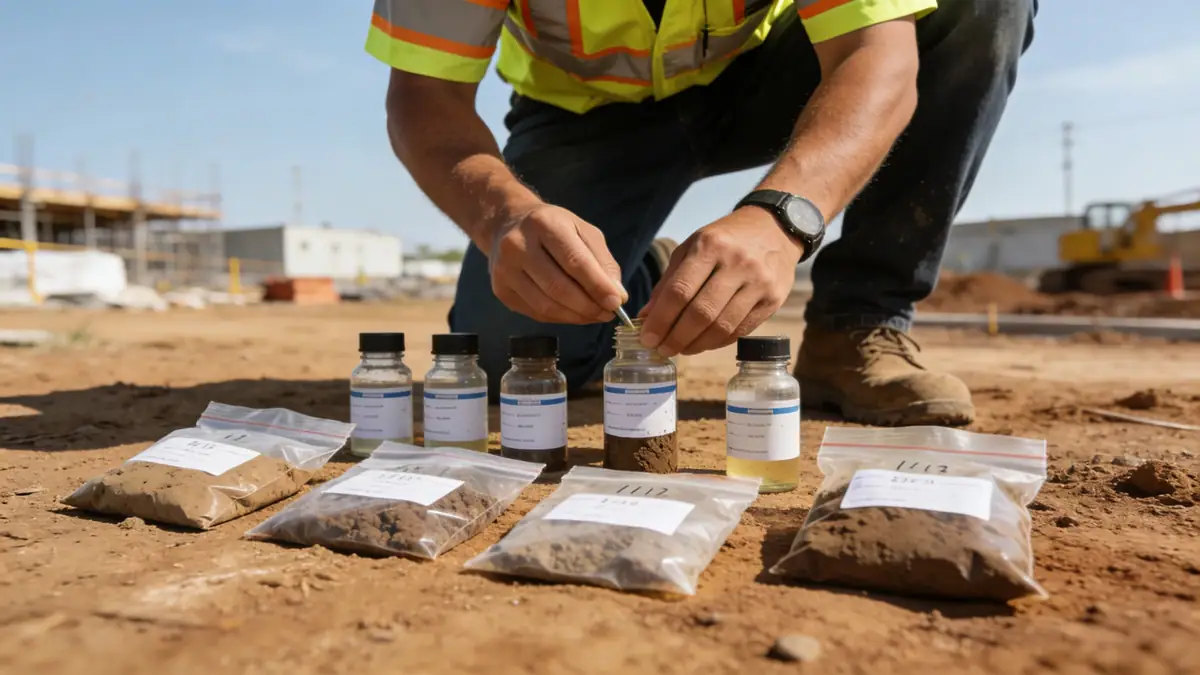
Our methodology for soil mechanics laboratory work in Indianapolis follows ASTM standards and local practice. We begin with a site-specific exploration program, including standard penetration testing (SPT) per ASTM D1586, with sampling intervals every 1.5 m to capture stratigraphic changes. Samples are transported to our laboratory for classification and mechanical testing. We employ a phased approach: preliminary desktop study, field exploration, laboratory analysis, and engineering evaluation. For each project, we tailor the investigation depth and scope based on the proposed structure and known subsurface variability. Our team has extensive experience with the glacial deposits underlying Indianapolis, which often require careful handling of cobbles and boulders during drilling. For more details on our soil mechanics laboratory services, please refer to the dedicated page.
Reference Technical Parameters
| Parameter | Reference Value |
|---|---|
| Predominant soil type | Glacial till (silty clay, sandy silt) with alluvial deposits along waterways |
| Maximum seismic acceleration (PGA) | 0.15g to 0.20g (ASCE 7-16, Site Class C/D) |
| Typical groundwater level | 1.5 to 4.5 m below surface, varies seasonally |
| Bedrock depth | 10 to 30 m (Devonian limestone/shale) |
| Typical N60 range (SPT) | 5 to 30 blows/0.3 m in till; 2 to 10 in alluvium |
Local Considerations — Indianapolis
Indianapolis is underlain by glacial till and outwash deposits from the Wisconsin glaciation, with variable thickness and composition. The downtown area features stiff to hard silty clay till, while near the White River softer alluvial soils and higher groundwater are encountered. Seismic hazard is moderate, with peak ground accelerations of 0.15–0.20g per ASCE 7-16. Expansive soils are not widespread but can occur in certain clay-rich zones. Our team integrates these factors into every investigation, ensuring compliance with local building codes. For specialized testing, we offer granulometry & atterberg services to classify and characterize these soils. Additionally, our headquarters in Chicago coordinates regional projects; visit our soil mechanics laboratory en Chicago page for more information.
Request a Quote
Our team reviews your project and issues an initial report at no cost.
Or write us directly at [email protected]
Services in Indianapolis
Applicable Standards
- ASTM D1586 – Standard Test Method for Penetration Test (SPT)
- ASTM D2487 – Classification of Soils for Engineering Purposes (USCS)
- ASTM D698 – Standard Proctor Compaction
- ASCE 7-16 – Minimum Design Loads and Associated Criteria for Buildings
- IBC 2018 – International Building Code (adopted by Indiana)
Frequently Asked Questions
What are the typical soil types encountered in Indianapolis?
The predominant soils are glacial tills (silty clay, sandy silt) and alluvial deposits along the White River and its tributaries. These soils vary in density and moisture, requiring careful evaluation for foundation design.
Is seismic design required for structures in Indianapolis?
Yes, according to ASCE 7-16 and IBC 2018, Indianapolis falls in Seismic Design Category B or C, with a PGA of 0.15–0.20g. Site-specific soil classification is necessary to determine amplification factors.
Are soil mechanics laboratory tests mandatory for building permits in Indianapolis?
While not always mandatory for all projects, local building officials often require geotechnical reports for commercial and multi-story residential buildings. It is advisable to conduct soil testing to ensure safe and economical designs.