Methodology
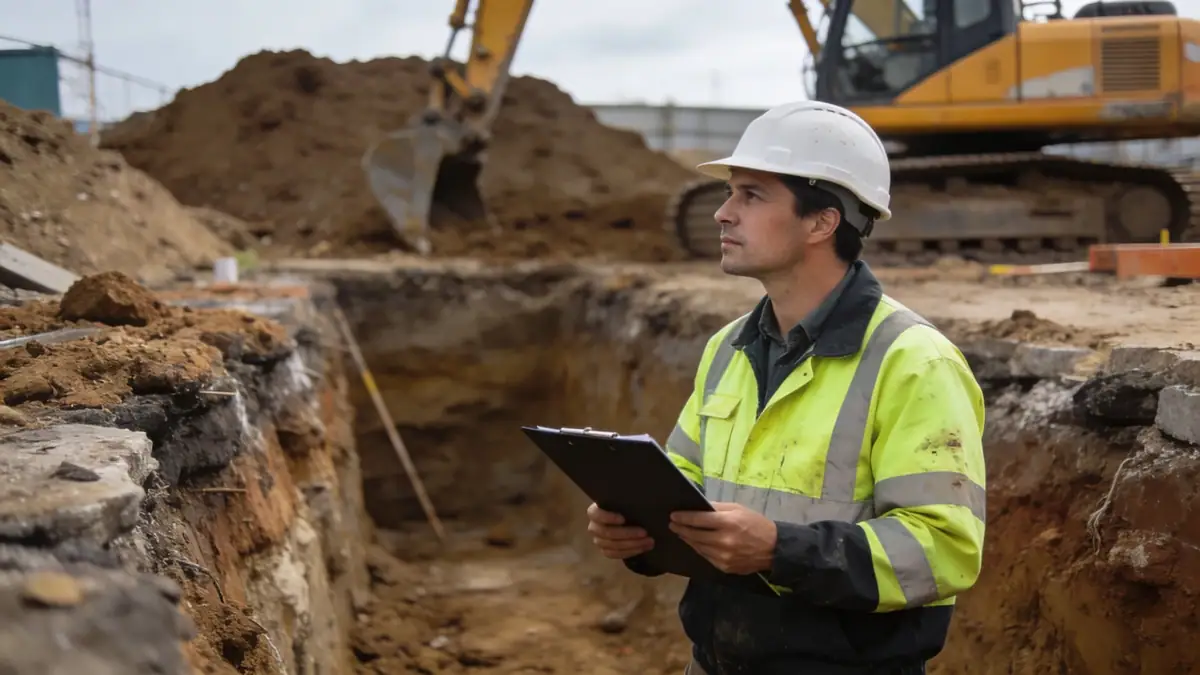
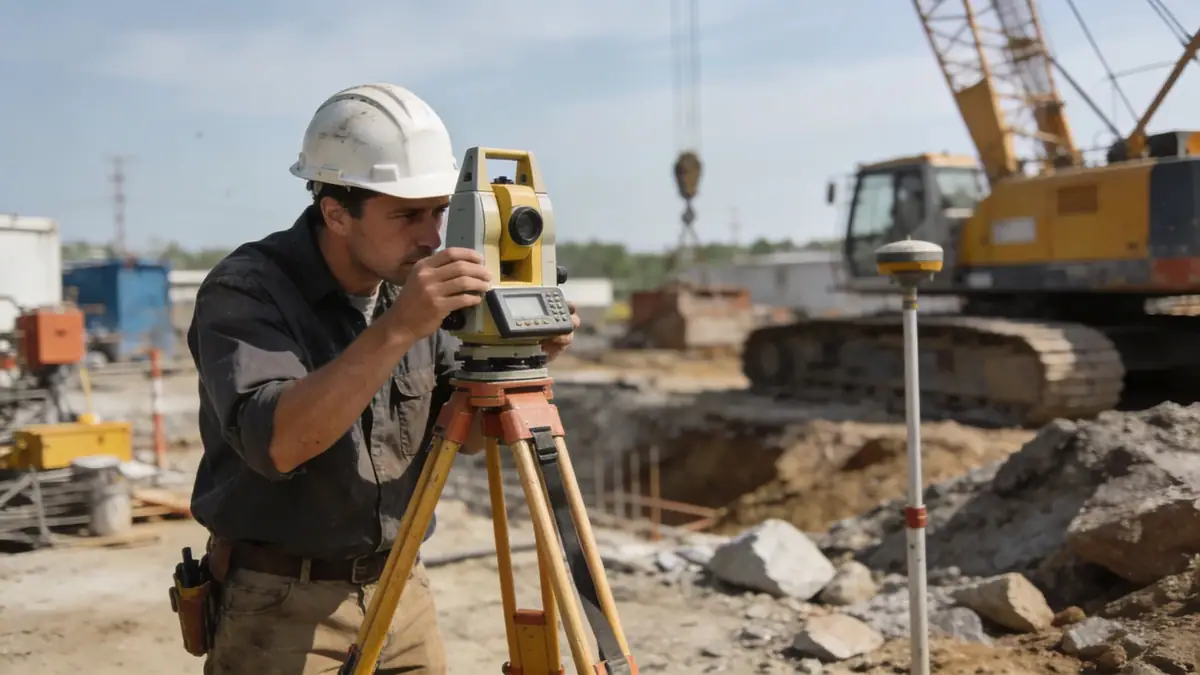
Our approach begins with a detailed review of existing geologic maps and borings from the Illinois State Geological Survey. For every project in Springfield Illinois, our team performs a site-specific subsurface investigation following ASTM D1586 for standard penetration tests. We collect disturbed and undisturbed samples at intervals of 1.0 to 1.5 meters to capture stratigraphic variability. Our soil mechanics laboratory conducts index properties, strength, and consolidation tests to develop a complete geotechnical profile. This methodology ensures that our recommendations are grounded in local conditions and meet regulatory requirements.
Reference Technical Parameters
| Parameter | Reference Value |
|---|---|
| Predominant soil type | Glacial till (silty clay with sand and gravel) |
| Maximum seismic acceleration (PGA) | 0.15g (ASCE 7-16, Site Class D) |
| Typical groundwater level | 3 to 6 meters below ground surface |
| Bedrock depth | 10 to 30 meters (Pennsylvanian shale and limestone) |
| Typical N60 range | 8 to 25 blows/0.3m in till; 4 to 10 in alluvium |
Local Considerations — Springfield Illinois
Springfield Illinois lies within the Illinois Basin, where glacial till overlies Pennsylvanian bedrock. Key considerations include: (1) Variable till thickness affects foundation design; (2) Groundwater levels fluctuate with river stages; (3) Seismic hazard is low to moderate (PGA 0.15g); (4) Downtown infill projects often encounter undocumented fill; (5) Expansive clays require moisture control for slabs. Our team integrates these factors into every investigation. For broader regional insight, refer to our soil mechanics laboratory en Chicago.
Request a Quote
Our team reviews your project and issues an initial report at no cost.
Or write us directly at [email protected]
Services in Springfield Illinois
Applicable Standards
- ASTM D1586 (Standard Penetration Test)
- ASCE 7-16 (Minimum Design Loads for Buildings)
- Illinois Administrative Code (Part 400 – Building Code)
- ASTM D2487 (Classification of Soils for Engineering Purposes)
Frequently Asked Questions
What soil types are common in Springfield Illinois?
The predominant soils are glacial tills (silty clay with sand and gravel) and alluvial deposits along the Sangamon River. These materials vary in density and moisture content, requiring careful evaluation for foundation design.
Is seismic analysis required for projects in Springfield Illinois?
Yes, per ASCE 7-16, Springfield Illinois falls within Seismic Design Category B (PGA 0.15g). Structures in Site Class D or E may require site-specific response spectra. Our team provides these analyses to meet code compliance.
Are geotechnical studies mandatory for construction in Springfield Illinois?
The Illinois Building Code requires a geotechnical investigation for most commercial and multi-family projects. Single-family homes may not be mandatory, but we recommend a site evaluation to identify potential issues such as expansive soils or high groundwater.