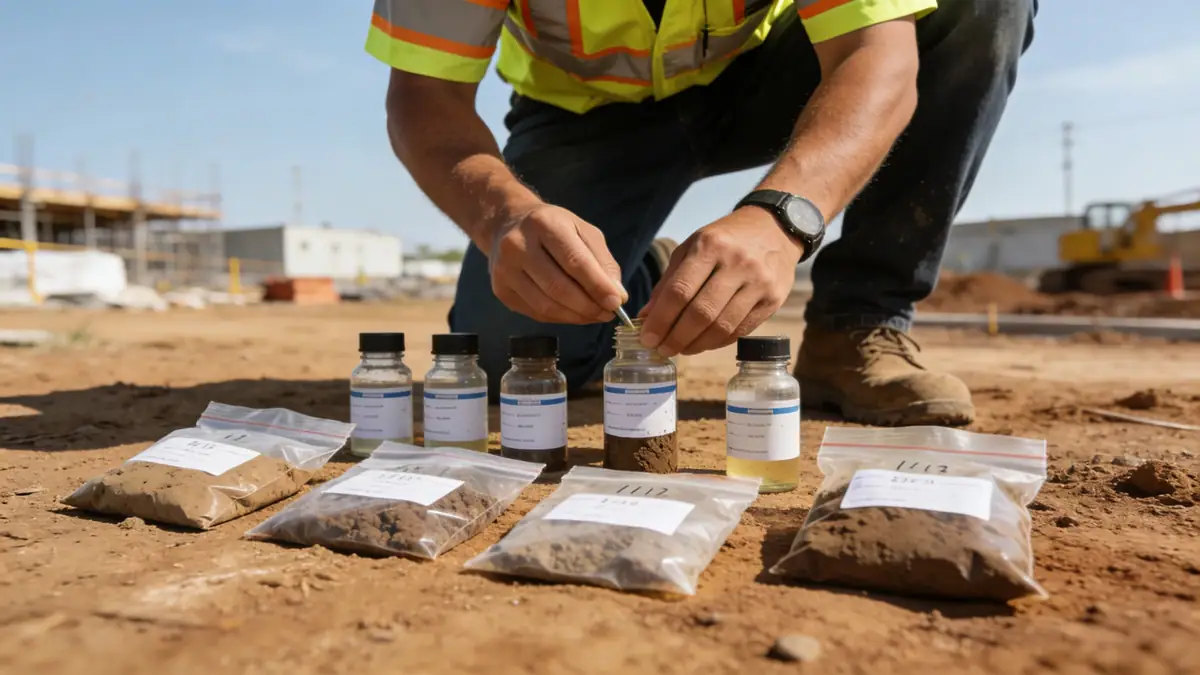
Methodology
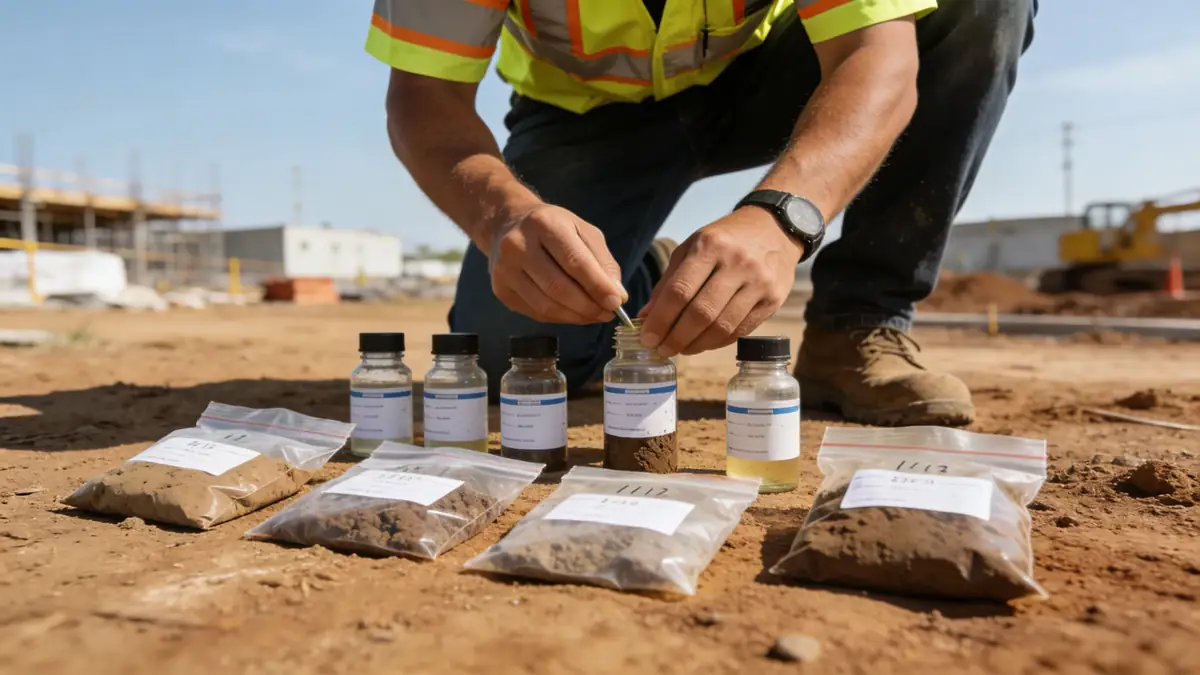
Our approach as a soil mechanics laboratory in Springfield Missouri integrates field exploration and laboratory testing per ASTM standards. We perform standard penetration testing (ASTM D1586) at 1.5 m intervals to characterize soil profiles and collect undisturbed samples for triaxial and consolidation testing. Our methodology ensures reliable data for foundation design, slope stability, and earthwork specifications. We adapt our investigation scope to site-specific geology, from shallow residuum over bedrock to deeper alluvial deposits along the James River. For more on our field techniques, visit our soil mechanics laboratory page.
Reference Technical Parameters
| Parameter | Reference Value |
|---|---|
| Predominant soil type | Silty clay and cherty clay residuum over limestone |
| Maximum seismic acceleration (PGA) | 0.10–0.15 g (ASCE 7-16) |
| Typical groundwater level | 3–8 m below grade, varies with season |
| Bedrock depth | 5–15 m (limestone bedrock) |
| Typical N60 range | 4–12 in clay, 20–50 in weathered rock |
Local Considerations — Springfield Missouri
Springfield Missouri lies within the Ozark Plateau, characterized by karst topography underlain by Mississippian limestone. Soils are predominantly silty clay and cherty clay residuum, with variable thickness. Groundwater is typically encountered at 3–8 m, but perched conditions occur after heavy rain. Seismic hazard is low to moderate (PGA 0.10–0.15 g per ASCE 7), though site amplification from deep soils can increase demands. Older downtown structures may require underpinning, while new developments on the outskirts often face shallow bedrock. Our team integrates these factors into every investigation. Explore our granulometry & atterberg services for index property testing.
Request a Quote
Our team reviews your project and issues an initial report at no cost.
Or write us directly at [email protected]
Services in Springfield Missouri
Applicable Standards
- ASTM D1586 (Standard Penetration Test)
- ASCE 7-16 (Minimum Design Loads for Buildings)
- IBC 2021 (International Building Code)
- ASTM D2487 (Unified Soil Classification System)
Frequently Asked Questions
What soil types are common in Springfield Missouri?
Soils typically consist of silty and cherty clay residuum over limestone bedrock. Alluvial deposits occur near streams. These soils often have moderate plasticity and variable density, requiring careful evaluation for foundation support.
Is seismic design required in Springfield Missouri?
Yes, per ASCE 7 and IBC. Springfield falls in Seismic Design Category B or C, with PGA values of 0.10–0.15 g. Site-specific soil amplification may increase demands, so geotechnical input is essential for compliant design.
Are soil mechanics studies mandatory for building permits in Springfield?
While not always required for small structures, most commercial and multi-family projects require geotechnical reports per IBC and local codes. Lenders and insurers often mandate them to mitigate risk.