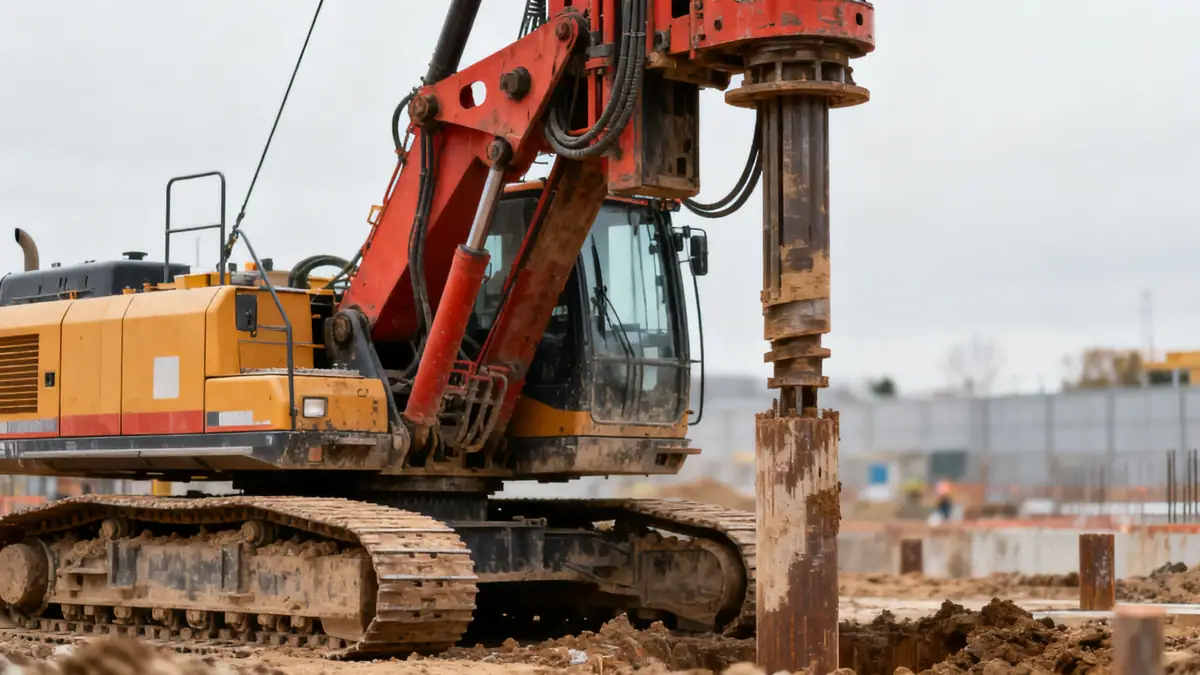
Methodology
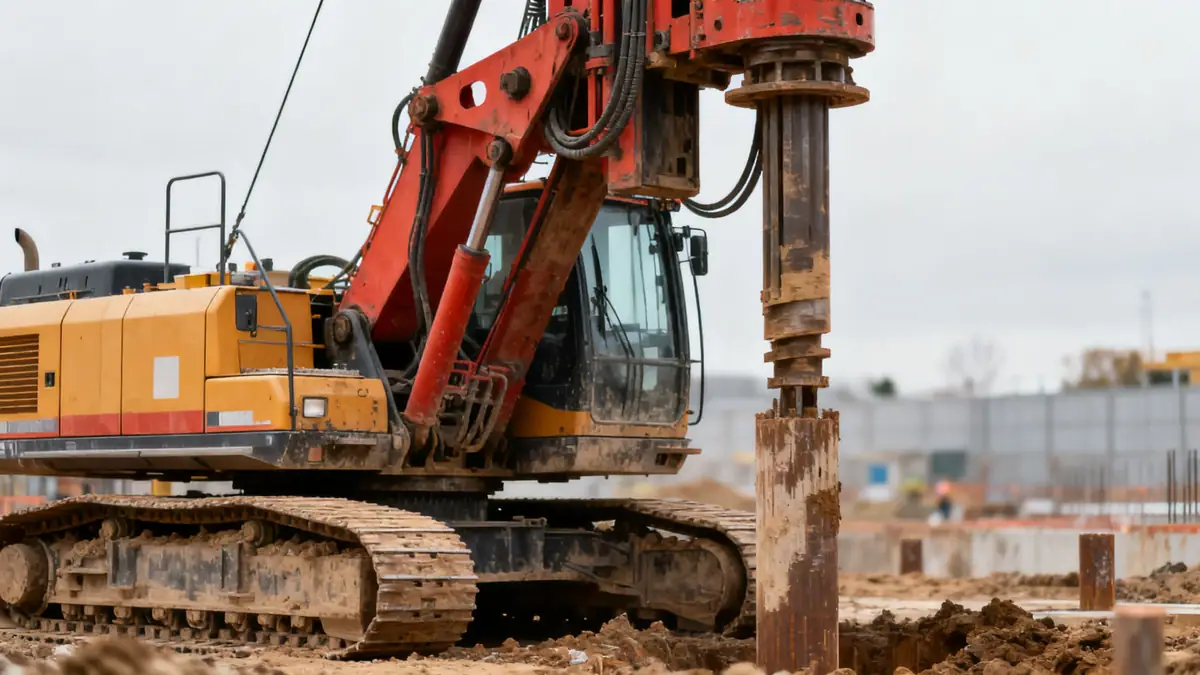
Our methodology in Madison follows ASTM D1586 for standard penetration testing and ASTM D2487 for soil classification. We prioritize continuous sampling and in-situ testing to capture the variability of glacial tills and lacustrine deposits. Laboratory programs include moisture-density relations and shear strength assessments, tailored to project demands. For a comprehensive overview of our testing capabilities, visit our soil mechanics laboratory page.
Reference Technical Parameters
| Parameter | Reference Value |
|---|---|
| Predominant soil type | Glacial till (silty sand with gravel) |
| Maximum seismic acceleration (PGA) | 0.15g (ASCE 7-22, Site Class D) |
| Typical groundwater level | 3–6 m below ground surface |
| Bedrock depth | 15–30 m (dolomite/limestone) |
| Typical N60 range | 10–30 blows/0.3 m (glacial till) |
Local Considerations — Madison
Madison's subsurface is dominated by glacial till and outwash sands overlying dolomite bedrock. The water table is shallow near lakes Mendota and Monona, requiring dewatering considerations for excavations. Seismic site classification is typically D (stiff soil) per ASCE 7-22, with peak ground acceleration of 0.15g. Older neighborhoods (e.g., near the Capitol) may have undocumented fill, while new developments in the west and south suburbs encounter variable till. Common issues include expansive clays in lacustrine zones and settlement in loose sands. Our firm addresses these through tailored investigations. Learn more on our granulometry & atterberg page. For broader context, our main operations are at our soil mechanics laboratory en Chicago.
Request a Quote
Our team reviews your project and issues an initial report at no cost.
Or write us directly at [email protected]
Services in Madison
Applicable Standards
- ASTM D1586 (Standard Penetration Test)
- ASCE 7-22 (Minimum Design Loads for Buildings)
- ASTM D2487 (Classification of Soils)
- ASTM D698 (Standard Proctor Compaction)
- ASTM D3080 (Direct Shear Test)
Frequently Asked Questions
What are the typical soil conditions in Madison?
Soils in Madison are predominantly glacial tills (silty sands with gravel) and lacustrine deposits. Groundwater is shallow near lakes, and bedrock (dolomite) lies at depths of 15–30 m. These conditions require careful evaluation for foundation design.
Is seismic design required for buildings in Madison?
Yes, per ASCE 7-22, Madison falls in Seismic Design Category B or C. Site Class D (stiff soil) is common, with a peak ground acceleration of 0.15g. Geotechnical reports must include seismic parameters for structural design.
Are geotechnical studies mandatory for construction in Madison?
While not always legally required, most building permits in Madison necessitate a geotechnical report, especially for commercial or multi-story projects. Local codes and prudent engineering practice recommend thorough soil investigations to mitigate risks.