Methodology
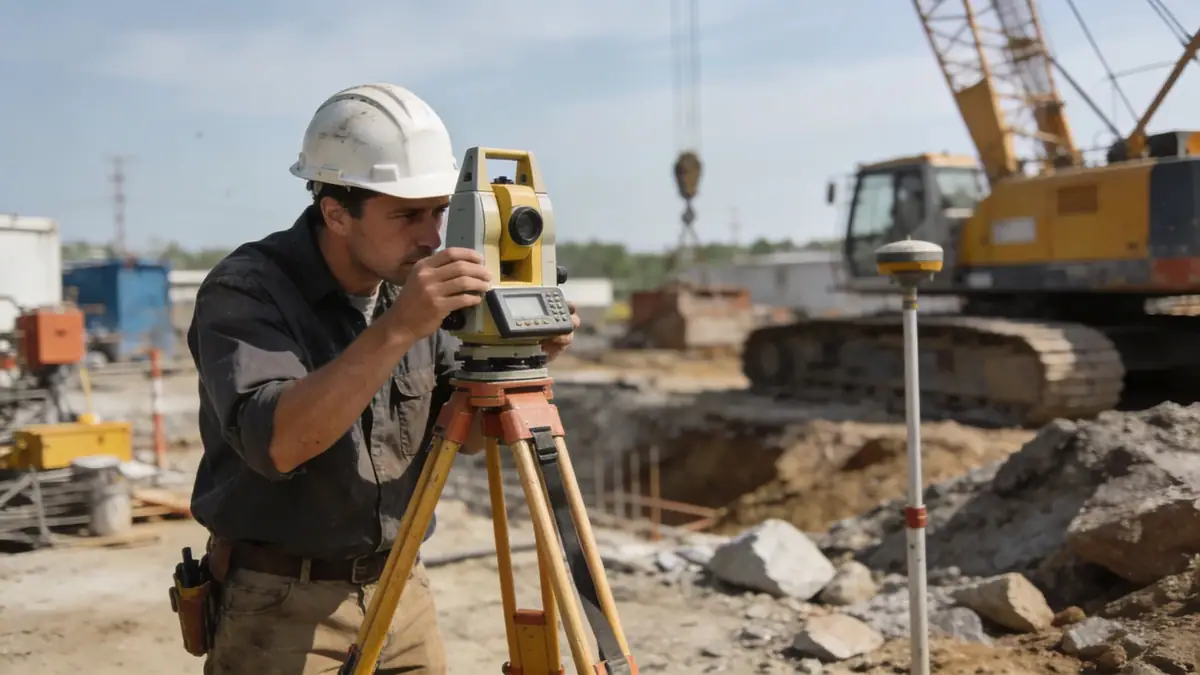
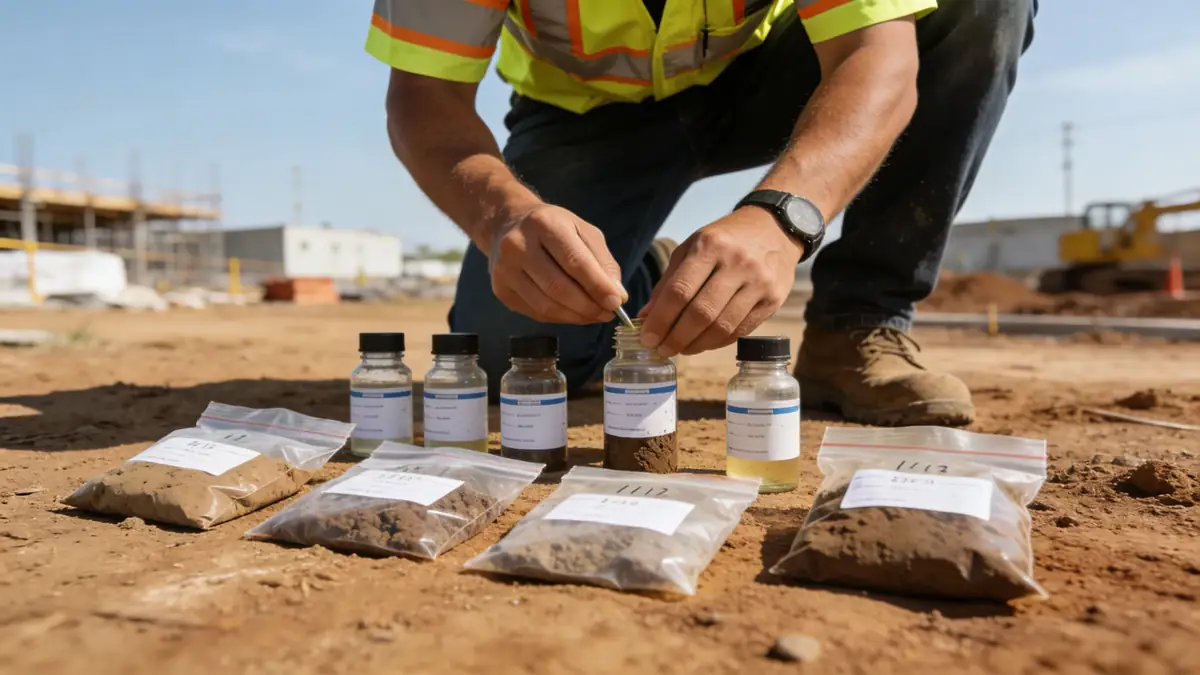
Our methodology for soil mechanics laboratory in Detroit follows ASTM D1586 for standard penetration testing, ensuring consistent and comparable data across project sites. We employ a phased approach: preliminary site reconnaissance, subsurface exploration with SPT borings and undisturbed sampling, in-situ testing such as cone penetration tests (CPT), and laboratory analysis including grain size distribution, Atterberg limits, and strength testing. Our soil mechanics laboratory integrates these results with local geologic maps and historical data to develop site-specific soil profiles and design parameters. Every project benefits from our team's extensive experience in Detroit's unique subsurface conditions.
Reference Technical Parameters
| Parameter | Reference Value |
|---|---|
| Predominant soil type | Glacial till (clay/sand/gravel mix) |
| Maximum seismic acceleration (PGA) | 0.1g to 0.15g (ASCE 7-16) |
| Typical groundwater level | 3 to 8 meters below ground surface |
| Bedrock depth | 20 to 50 meters (Devonian limestone/shale) |
| Typical N60 range | 10 to 30 blows/0.3m (variable) |
Local Considerations — Detroit
Detroit's subsurface is dominated by glacial till over sedimentary bedrock, with localized deposits of lacustrine clays and outwash sands along the Detroit River. Groundwater levels fluctuate seasonally, typically 3–8 m deep. Seismic hazard is low (PGA 0.1–0.15g per ASCE 7-16), but liquefaction potential exists in loose saturated sands near waterfronts. Older industrial sites may contain anthropogenic fill requiring specialized granulometry & atterberg characterization. Our team advises on site-specific exploration plans tailored to Detroit's variable geology, referencing local case histories and regulatory guidelines from the City of Detroit Building Authority.
Request a Quote
Our team reviews your project and issues an initial report at no cost.
Or write us directly at [email protected]
Services in Detroit
Applicable Standards
- ASTM D1586 (Standard Penetration Test)
- ASTM D2487 (Unified Soil Classification System)
- ASCE 7-16 (Minimum Design Loads for Buildings and Other Structures)
- IBC 2021 (International Building Code)
- City of Detroit Building Code (Chapter 18 – Soils and Foundations)
Frequently Asked Questions
What are the typical soil types encountered in Detroit?
Detroit's soils are predominantly glacial till, consisting of a heterogeneous mixture of clay, silt, sand, and gravel. Lacustrine clays and outwash sands are common near the Detroit River and ancient lakebeds. Organic deposits and fill materials are also present in some areas, requiring careful laboratory classification.
Is a soil mechanics laboratory study mandatory for construction in Detroit?
Yes, for most commercial and multi-family residential projects. The City of Detroit Building Code requires a geotechnical investigation to determine soil bearing capacity, settlement potential, and seismic site class. Our laboratory testing provides the necessary data to meet these regulatory requirements.
How does seismic hazard affect soil testing in Detroit?
Detroit is in a low seismic zone (PGA 0.1–0.15g per ASCE 7-16). However, site-specific soil conditions can amplify ground motion. Our laboratory evaluates liquefaction potential in loose sands and cyclic softening in soft clays, ensuring foundation designs comply with seismic provisions.