Methodology
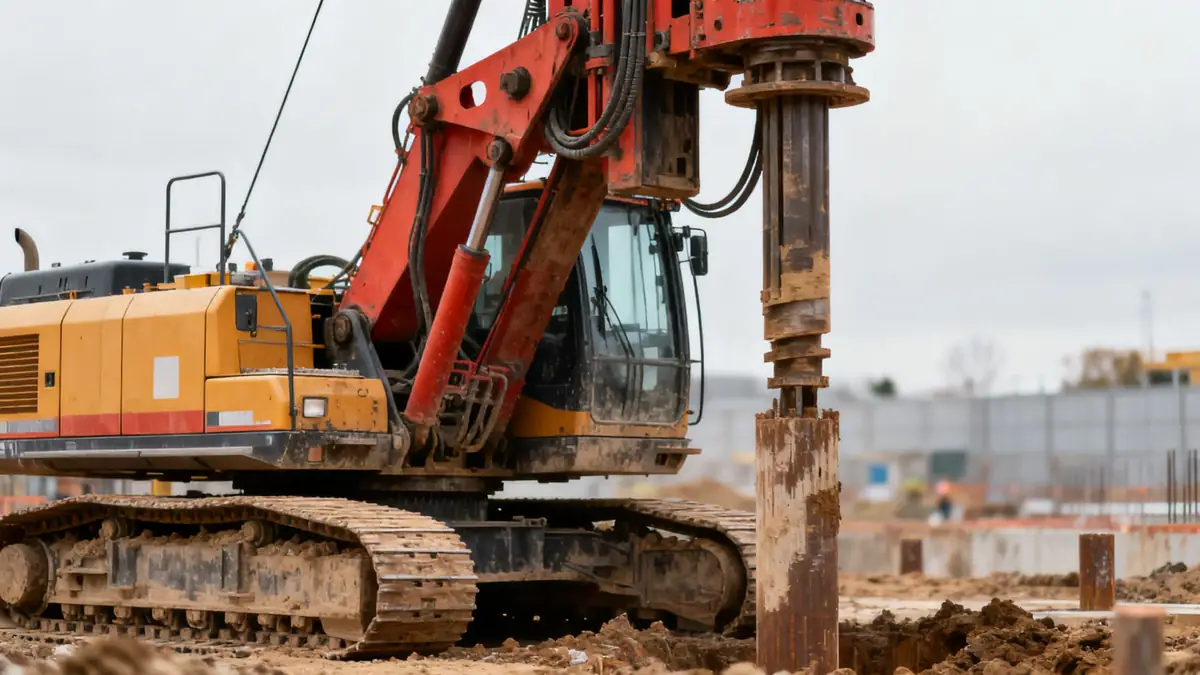
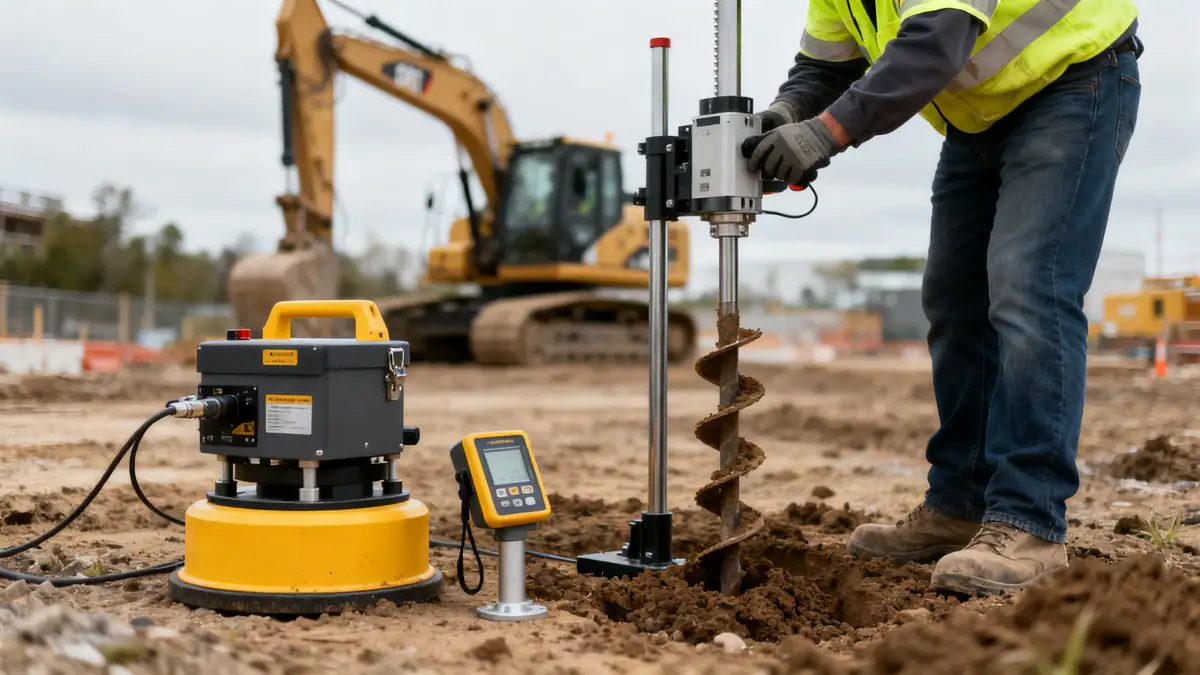
Our methodology for soil mechanics projects in Des Moines begins with a thorough review of existing geological maps and historical data for the site. We then conduct field investigations using standard penetration testing (SPT) per ASTM D1586, with sampling intervals typically every 1.5 meters to capture stratigraphic variations. In the laboratory, we perform index properties tests including natural moisture content, Atterberg limits, and grain size analysis to classify soils according to the Unified Soil Classification System (USCS). Our team emphasizes quality control through duplicate testing and calibration of equipment. For more advanced analysis, we utilize our soil mechanics laboratory capabilities to conduct triaxial and consolidation tests on undisturbed samples, providing parameters for settlement and strength analysis. This systematic approach ensures that our clients receive accurate and actionable data tailored to Des Moines' subsurface conditions.
Reference Technical Parameters
| Parameter | Reference Value |
|---|---|
| Predominant soil type | Loess over glacial till |
| Typical groundwater depth | 3 to 6 meters below grade |
| Bedrock depth | 30 to 60 meters (shale/limestone) |
| Typical N60 range (SPT) | 4 to 20 blows/0.3m in loess; 20 to 50+ in till |
| Maximum seismic acceleration (PGA) | 0.1g to 0.2g (ASCE 7-16) |
Local Considerations — Des Moines
Des Moines' geology is characterized by thick deposits of wind-blown loess overlying glacial till and bedrock. The loess is collapsible when wetted, requiring careful consideration for foundation support. Shallow groundwater in river valleys can impact excavation stability and necessitate dewatering. The city lies in a moderate seismic zone (ASCE 7 Seismic Design Category B/C), with peak ground accelerations up to 0.2g. Older neighborhoods near the downtown core often have undocumented fill or prior industrial use, while newer suburbs on the west side encounter deeper till profiles. Our team has experience with these contrasts, providing tailored recommendations for shallow foundations, deep foundations, and ground improvement. For regional expertise, visit soil mechanics laboratory en Chicago to see how our services extend across the Midwest. Additionally, our granulometry & atterberg testing helps classify these variable soils accurately.
Request a Quote
Our team reviews your project and issues an initial report at no cost.
Or write us directly at [email protected]
Services in Des Moines
Applicable Standards
- ASTM D1586
- ASCE 7-16
- IBC 2021
- Iowa Statewide Urban Design and Specifications (SUDAS)
Frequently Asked Questions
What types of soil are commonly found in Des Moines?
Des Moines predominantly features loess (wind-deposited silt) over glacial till, with alluvial deposits along rivers. The loess is highly erodible and collapsible, requiring careful geotechnical evaluation. Bedrock consists of shale and limestone at depths typically exceeding 30 meters.
Are seismic considerations important for projects in Des Moines?
Yes, Des Moines is in a moderate seismic zone per ASCE 7-16 (Seismic Design Category B/C). While major earthquakes are rare, peak ground accelerations up to 0.2g are considered in design. Soil amplification effects from loess deposits can increase seismic demand, necessitating site-specific response analysis.
Is a geotechnical study required for construction in Des Moines?
The Iowa State Building Code requires a geotechnical investigation for most commercial and multi-family projects. For residential structures, it is highly recommended due to variable soil conditions. Our firm provides comprehensive soil mechanics studies that meet all local regulatory requirements.