Methodology
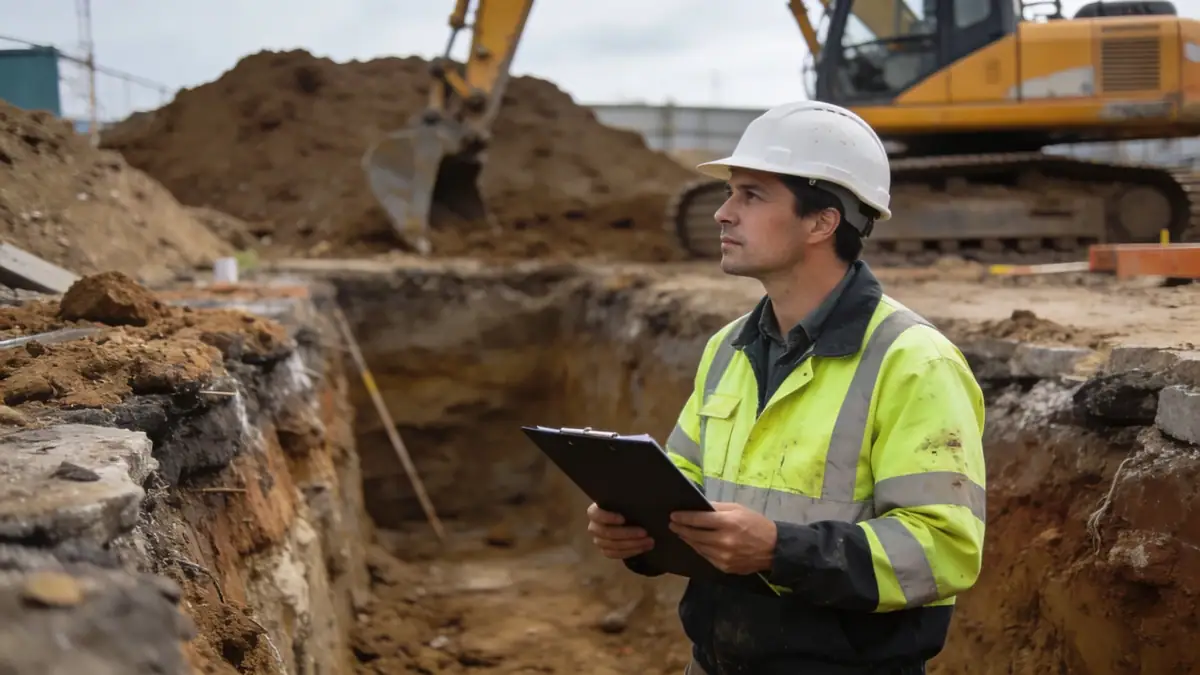
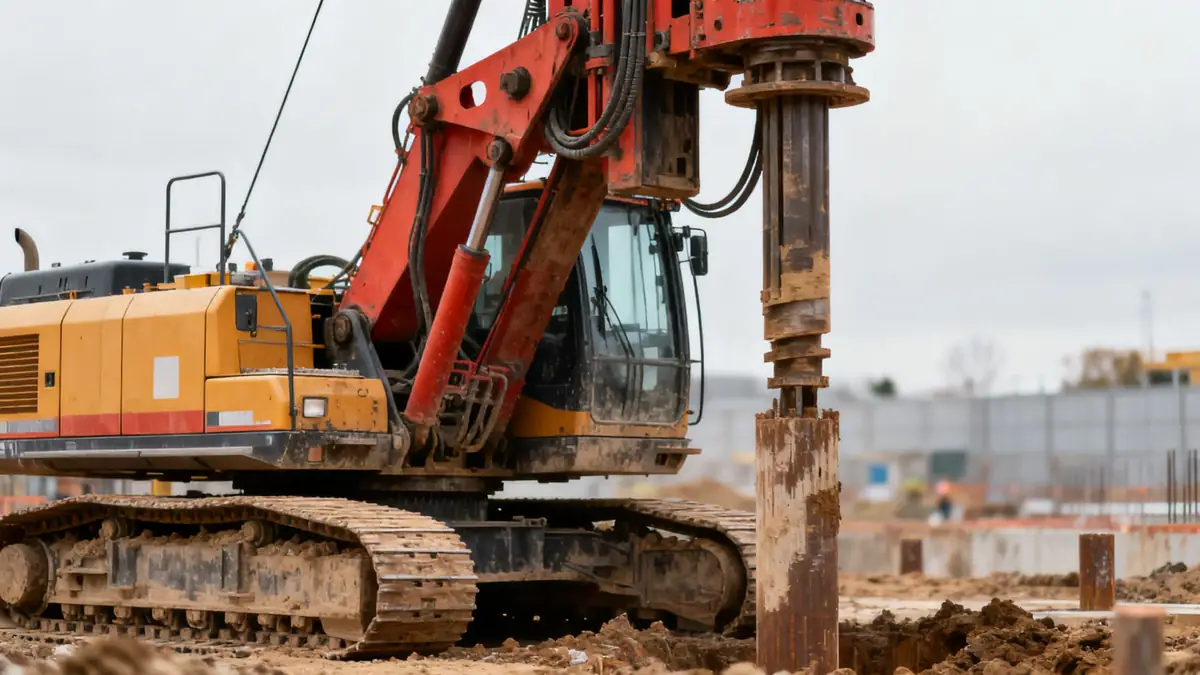
Our methodology in Minneapolis begins with a comprehensive site-specific program integrating field sampling and laboratory analysis. We coordinate soil mechanics laboratory services including SPT, undisturbed tube sampling, and groundwater monitoring to capture the stratigraphic variability common in the area. Laboratory tests follow ASTM, AASHTO, and local standards, with emphasis on consolidation and shear strength parameters for settlement and slope stability evaluations. All data is reviewed by senior geotechnical engineers to ensure consistency with regional experience and regulatory expectations.
Reference Technical Parameters
| Parameter | Reference Value |
|---|---|
| Predominant soil type | Glacial till, sand, and clay layers with organic deposits near river |
| Maximum seismic acceleration (PGA) | 0.15g to 0.25g (ASCE 7-22, Site Class D) |
| Typical groundwater level | 3–6 m below grade, seasonally variable |
| Bedrock depth | 15–30 m (Platteville limestone and St. Peter sandstone) |
| Typical N60 range | 10–40 blows/0.3 m in till; 5–15 in clay |
Local Considerations — Minneapolis
Minneapolis lies within the Western Lake Superior and Mississippi River valley geological province. The predominant glacial till and lacustrine deposits exhibit high variability over short distances, requiring dense sampling grids. Liquefaction potential is low due to dense sands, but soft organic clays along river corridors pose settlement risks. The Minnesota State Building Code references ASCE 7 for seismic design, with Site Class D typical. Our local experience includes granulometry & atterberg testing for frost susceptibility and shrink-swell characterization. We also coordinate with the soil mechanics laboratory en Chicago for regional consistency on large-scale projects.
Request a Quote
Our team reviews your project and issues an initial report at no cost.
Or write us directly at [email protected]
Services in Minneapolis
Applicable Standards
- ASTM D1586
- ASCE 7-22
- Minnesota State Building Code (MSBC 2020)
- ASTM D2487 (Unified Soil Classification System)
- ASTM D2435 (Consolidation Test)
Frequently Asked Questions
What are the typical soil conditions encountered in Minneapolis?
Minneapolis soils are predominantly glacial till, with interbedded sands, silts, and clays. Organic deposits and alluvium are common along the Mississippi River and its tributaries. Bedrock (limestone/sandstone) lies at depths of 15–30 m, and groundwater is typically encountered between 3 and 6 m below grade.
Are soil mechanics studies mandatory for construction in Minneapolis?
The Minnesota State Building Code requires a geotechnical investigation for most commercial and residential projects exceeding certain thresholds. The scope depends on building size, occupancy, and site conditions. A qualified soil mechanics laboratory provides the necessary data to comply with code and ensure foundation safety.
How does seismic risk affect soil testing in Minneapolis?
Minneapolis is in Seismic Design Category B to C per ASCE 7, with PGA values of 0.15–0.25g. Site-specific seismic analysis may be required for critical facilities. Our laboratory performs cyclic triaxial and resonant column tests to evaluate liquefaction potential and dynamic soil properties when needed.