Methodology
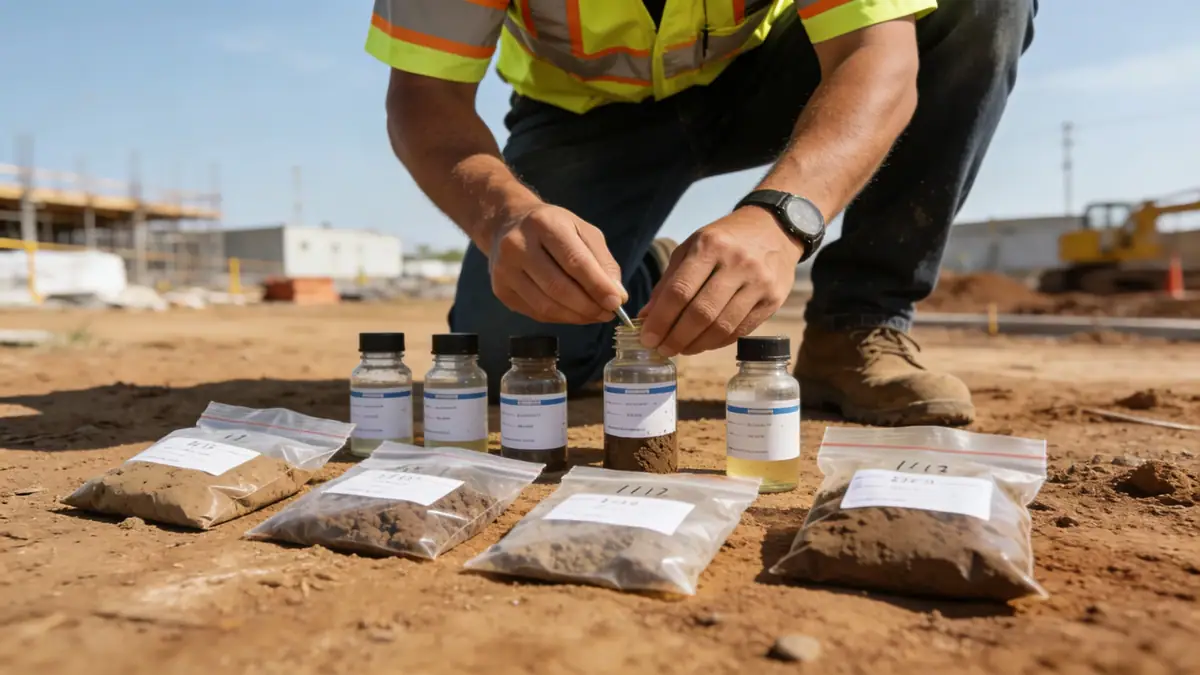
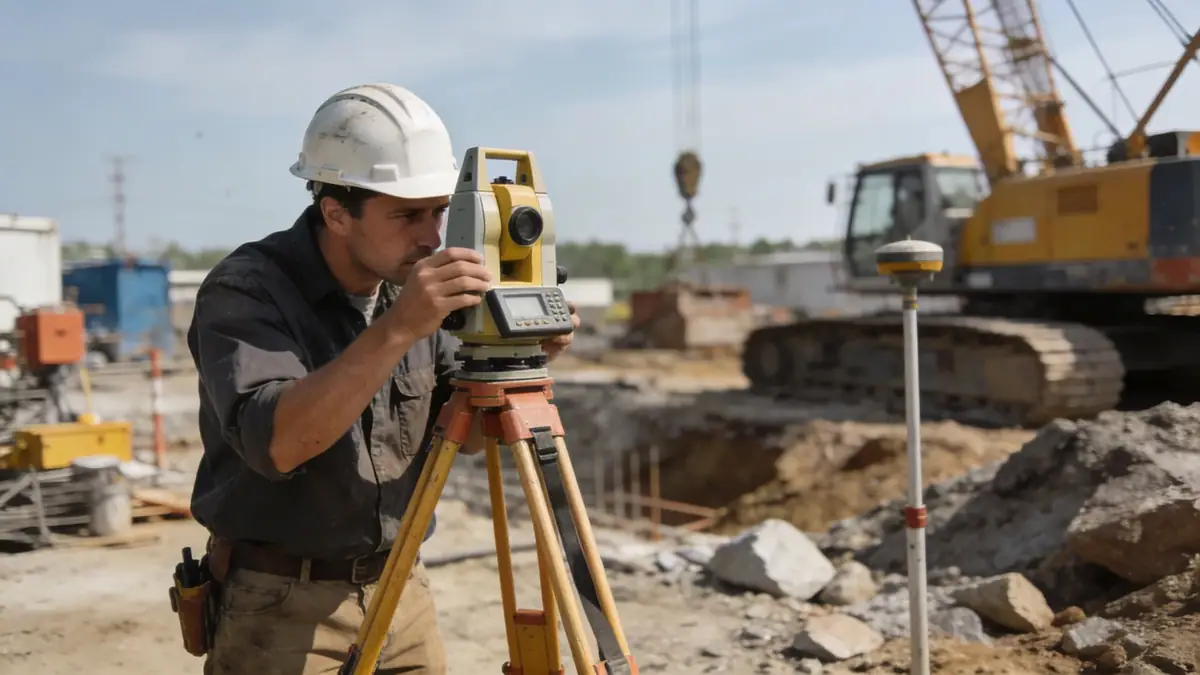
Our methodology in Aurora follows standardized procedures for soil sampling and testing, including soil mechanics laboratory protocols such as Standard Penetration Tests per ASTM D1586 and continuous soil sampling. We employ a phased approach: initial desktop study of existing borings, field exploration using hollow-stem augers and split-spoon samplers, followed by laboratory analysis of index properties, strength, and consolidation characteristics. This systematic process ensures representative data for foundation design and earthwork specifications.
Reference Technical Parameters
| Parameter | Reference Value |
|---|---|
| Predominant soil type | Glacial till (silty clay/clayey silt) with sand and gravel lenses |
| Maximum seismic acceleration (PGA) | 0.15g to 0.25g (ASCE 7-16 Site Class C/D) |
| Typical groundwater level | 3 to 10 meters below grade |
| Bedrock depth | Variable, 15 to 30 meters (dolomite/limestone) |
| Typical N60 range | 10 to 40 blows per 0.3 m (SPT) |
Local Considerations — Aurora
Aurora's subsurface conditions are influenced by glacial history, with lacustrine deposits overlying till. Seismic site classification per ASCE 7-16 typically yields Site Class C or D, with peak ground accelerations up to 0.25g. Groundwater levels are shallow in low-lying areas near the Fox River, requiring dewatering considerations. Our team has extensive experience with granulometry & atterberg testing to assess expansive soil potential, critical for slab-on-grade performance. Local building officials often require site-specific geotechnical reports for new construction, making our laboratory services essential for permit approval.
Request a Quote
Our team reviews your project and issues an initial report at no cost.
Or write us directly at [email protected]
Services in Aurora
Applicable Standards
- ASTM D1586 (Standard Penetration Test)
- ASCE 7-16 (Minimum Design Loads for Buildings)
- IBC 2021 (International Building Code)
- ASTM D2487 (Unified Soil Classification System)
Frequently Asked Questions
What soil types are commonly found in Aurora?
Aurora's soils are predominantly glacial till, consisting of silty clay and clayey silt with sand and gravel lenses. Lacustrine deposits of soft clays and silts are present in low-lying areas. Understanding these soil types is crucial for foundation design and earthwork, as they influence bearing capacity and settlement.
Is seismic analysis required for projects in Aurora?
Yes, Aurora is located in a moderate seismic zone per ASCE 7-16, with peak ground accelerations up to 0.25g. Site-specific seismic analysis, including soil liquefaction potential and site class determination, is often required by local building codes to ensure structural safety.
Do I need a geotechnical report for a residential project in Aurora?
Aurora's building department typically requires a geotechnical report for new residential construction, especially for structures with basements or on expansive soils. Our laboratory provides the necessary soil testing to support foundation design and comply with local regulations.