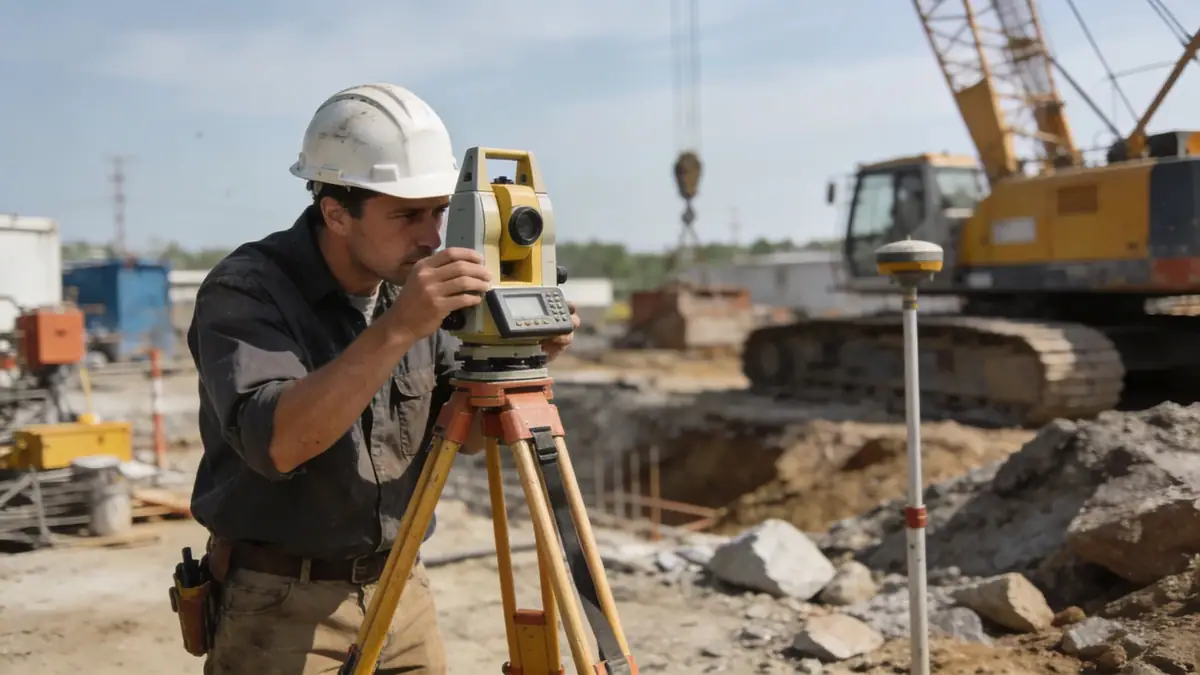
Methodology
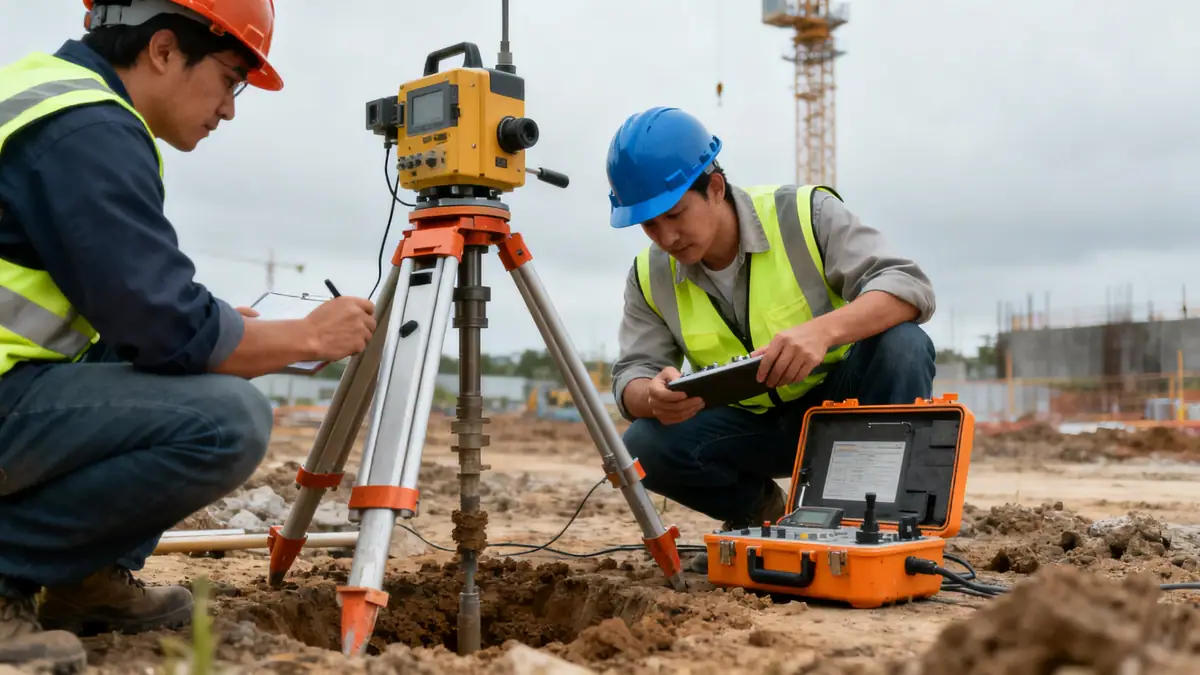
Our methodology in Peoria Illinois follows a systematic approach to soil mechanics laboratory testing. We begin with site reconnaissance and subsurface exploration using Standard Penetration Test (SPT) methods per ASTM D1586, typically advancing borings to depths of 8–15 meters for residential projects and up to 30 meters for industrial structures. Samples are retrieved at 1.5-meter intervals for laboratory analysis, including grain size distribution via sieve and hydrometer analysis (ASTM D6913/D7928) and Atterberg limits using the Casagrande cup. Our soil mechanics laboratory integrates these data with local geological maps to characterize soil behavior under static and dynamic loads, ensuring our findings align with project-specific requirements.
Reference Technical Parameters
| Parameter | Reference Value |
|---|---|
| Predominant soil type | Glacial till and alluvial silty clay |
| Maximum seismic acceleration (PGA) | 0.15g (ASCE 7-16) |
| Typical groundwater level | 2–5 meters below ground surface |
| Bedrock depth | 30–60 meters (Pennsylvanian shale and limestone) |
| Typical N60 range | 10–30 blows per foot (silty clay to dense sand) |
Local Considerations — Peoria Illinois
Peoria Illinois sits within the Illinois River Valley, underlain by glacial deposits up to 60 meters thick. The predominant soils are silty clays and sands with variable bearing capacity. Groundwater is typically shallow, requiring dewatering considerations for excavations. Seismic hazard is moderate (PGA 0.15g per ASCE 7-16), demanding careful liquefaction assessment in saturated sands. Older downtown areas may have undocumented fills, while newer subdivisions often encounter stiff glacial tills. Our team addresses these conditions through site-specific testing, referencing proctor & cbr testing for compaction control and pavement design. For larger projects, coordination with our soil mechanics laboratory en Chicago ensures consistent regional standards.
Request a Quote
Our team reviews your project and issues an initial report at no cost.
Or write us directly at [email protected]
Services in Peoria Illinois
Applicable Standards
- ASTM D1586 (Standard Penetration Test)
- ASCE 7-16 (Minimum Design Loads for Buildings)
- IBC 2021 (International Building Code)
- ASTM D2487 (Unified Soil Classification System)
Frequently Asked Questions
What soil types are common in Peoria Illinois?
Peoria's soils are predominantly glacial till and alluvial deposits, including silty clays, sandy loams, and occasional gravel lenses. These materials exhibit variable strength and compressibility, necessitating thorough laboratory testing for foundation design.
How does seismic risk affect soil testing in Peoria?
Peoria lies in a moderate seismic zone with a PGA of 0.15g. Soil liquefaction potential must be evaluated for saturated sands, especially near the Illinois River. Our testing includes cyclic triaxial and SPT-based assessments per ASCE 7-16.
Are geotechnical studies mandatory for construction in Peoria?
While not always legally required for small residential projects, most commercial and multi-story buildings mandate subsurface investigations per IBC 2021. Local building officials often request soil reports to ensure compliance with bearing capacity and settlement criteria.