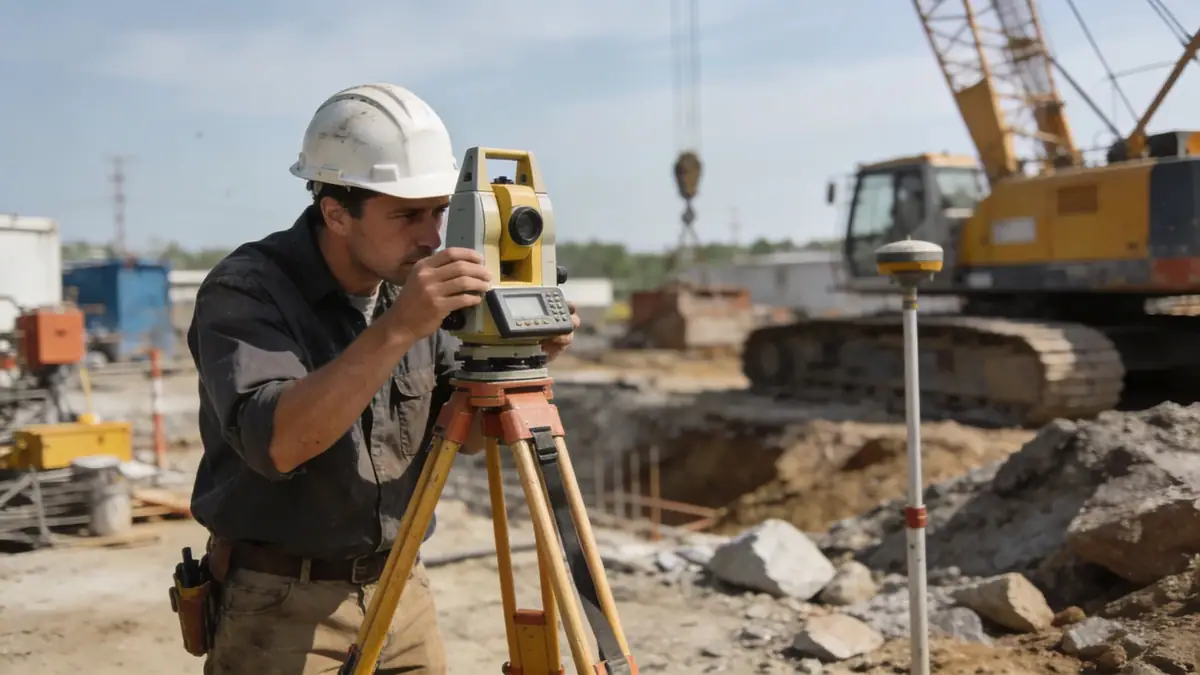
Methodology
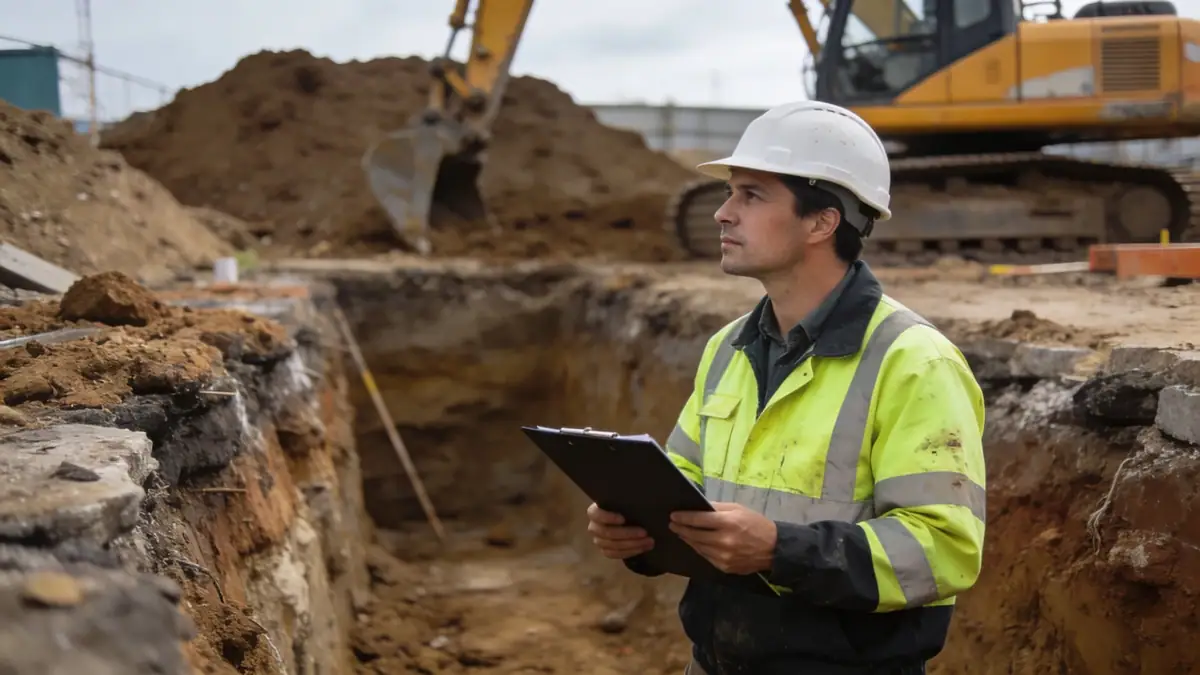
Our methodology at soil mechanics laboratory in Washington Dc integrates field investigation and laboratory testing following ASTM standards. We conduct Standard Penetration Tests (ASTM D1586) at 1.5 m intervals to characterize subsurface conditions, with depths typically ranging from 8 to 15 m for buildings and up to 30 m for infrastructure. In cohesive soils, undisturbed sampling via thin-walled tubes allows for consolidation and triaxial testing. Our protocols ensure representative sampling and precise parameter determination, critical for design in this urban environment.
Reference Technical Parameters
| Parameter | Reference Value |
|---|---|
| Predominant soil type | Sandy clay and silt (Potomac Formation) |
| Maximum seismic acceleration (PGA) | 0.15–0.20 g (IBC 2018) |
| Typical groundwater level | 3–6 m below surface |
| Bedrock depth | 10–30 m (schist and gneiss) |
| Typical N60 range | 4–15 (cohesive); 10–40 (granular) |
Local Considerations — Washington Dc
Washington Dc's geology features the Potomac Formation, consisting of unconsolidated sands, silts, and clays overlying crystalline bedrock. Groundwater levels are shallow (3–6 m), requiring dewatering considerations for excavations. Seismic hazard is moderate (PGA 0.15–0.20 g), demanding site-specific response analysis per IBC 2018. Contrasts exist between older alluvial deposits near the Potomac River and more competent soils in northwest areas. Typical projects include high-rise foundations and underground parking, where settlement control is critical. For similar expertise in the region, visit soil mechanics laboratory en Philadelphia.
Request a Quote
Our team reviews your project and issues an initial report at no cost.
Or write us directly at [email protected]
Services in Washington Dc
Applicable Standards
- ASTM D1586
- ASTM D698
- ASTM D1557
- ASTM D3080
- ASTM D2435
- IBC 2018 (Seismic Provisions)
- ASCE 7-16
Frequently Asked Questions
What soil types are commonly found in Washington Dc?
Washington Dc predominantly features the Potomac Formation, comprising sandy clays, silts, and sands. These soils are generally unconsolidated and exhibit variable bearing capacity, necessitating thorough geotechnical investigation for foundation design.
Is seismic analysis required for construction in Washington Dc?
Yes, Washington Dc is subject to moderate seismic hazard per IBC 2018. Peak ground acceleration ranges from 0.15 to 0.20 g, requiring site-specific response spectra and soil liquefaction assessment for structures in Seismic Design Categories B and C.
Are geotechnical studies mandatory for building permits in Washington Dc?
While not always mandatory for minor alterations, the District of Columbia Building Code requires a geotechnical report for most new construction and additions. This ensures compliance with foundation and seismic design provisions, particularly in areas with variable subsurface conditions.