Methodology
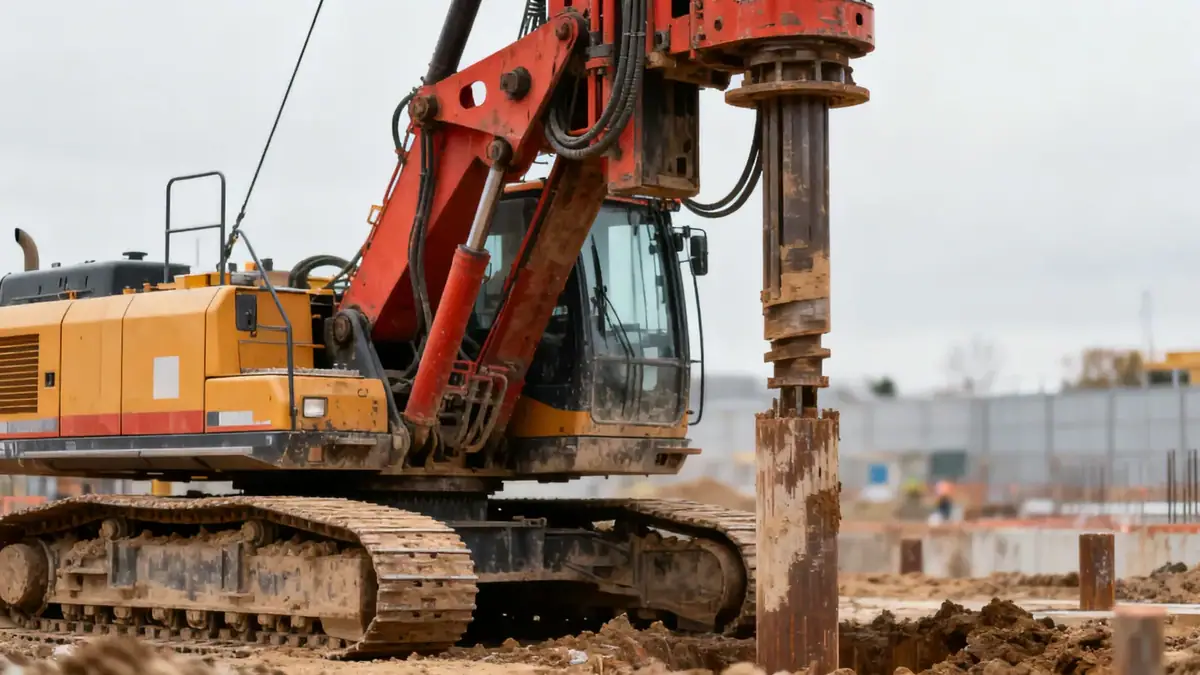
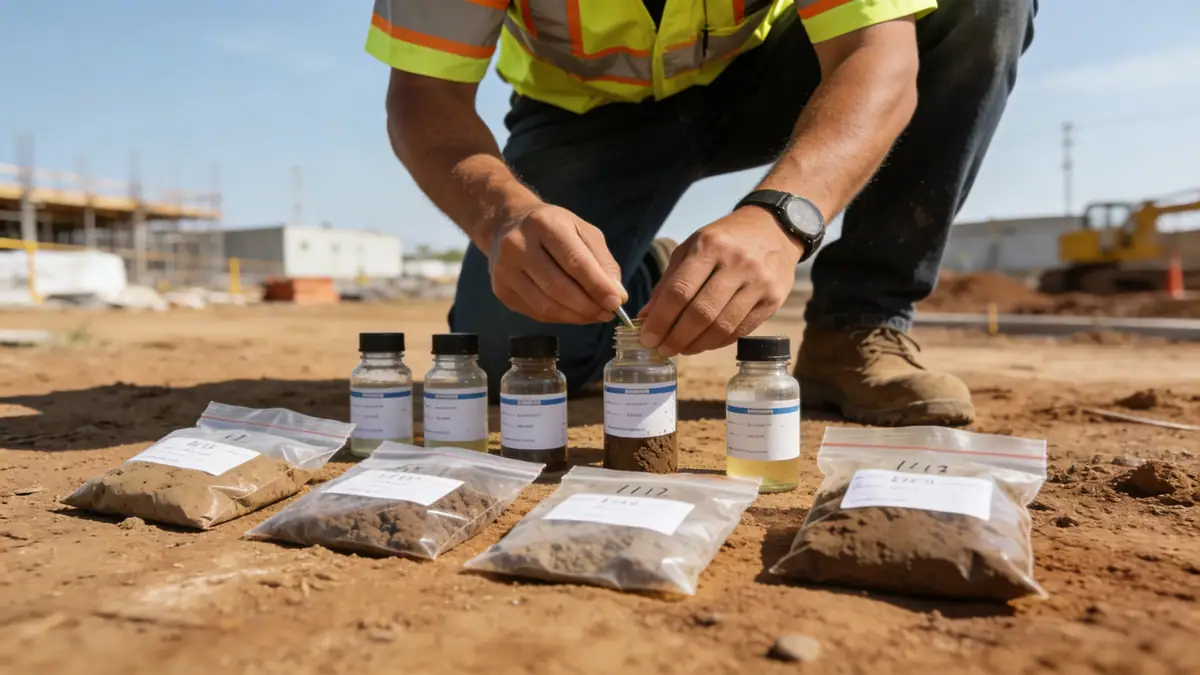
Our methodology for soil mechanics laboratory in Visalia integrates field exploration and laboratory testing tailored to the region's alluvial and floodplain deposits. We follow ASTM D1586 for Standard Penetration Test (SPT) procedures, ensuring consistent sampling at 1.5-meter intervals to depths of 10–15 meters for typical residential projects. Our approach also includes continuous logging and classification of soil strata. For granular and cohesive soils, we apply site-specific protocols that consider local groundwater conditions and seismic hazards, providing reliable data for geotechnical design. This structured process supports our soil mechanics laboratory services across the region.
Reference Technical Parameters
| Parameter | Reference Value |
|---|---|
| Predominant Soil Type | Alluvial silty clay and sand mixtures |
| Maximum Seismic Acceleration (PGA) | 0.4g (ASCE 7-16, Site Class D) |
| Typical Groundwater Level | 10–20 meters below ground surface |
| Bedrock Depth | Variable, often >30 meters |
| Typical N60 Range (SPT) | 10–30 blows/0.3m in upper 10 m |
Local Considerations — Visalia
Visalia's geology is dominated by Quaternary alluvium from the Sierra Nevada, with interbedded clays, silts, and sands. Expansive clay layers can cause volumetric changes under moisture variation, requiring careful evaluation for slab-on-grade foundations. The region falls within Seismic Zone 4 per ASCE 7-16, with a peak ground acceleration of 0.4g, necessitating liquefaction assessments for loose sandy soils. Groundwater levels are generally deep but may rise locally near the Kaweah River. Our team has extensive experience with these conditions, offering granulometry & atterberg testing to classify soil plasticity and support foundation design.
Request a Quote
Our team reviews your project and issues an initial report at no cost.
Or write us directly at [email protected]
Services in Visalia
Applicable Standards
- ASTM D1586 (Standard Penetration Test)
- ASCE 7-16 (Minimum Design Loads for Buildings)
- California Building Code (CBC) 2022
- ASTM D2487 (Unified Soil Classification System)
Frequently Asked Questions
What are the typical soil types encountered in Visalia?
Visalia soils are predominantly alluvial silty clays and sands deposited by the Kaweah River. These soils often exhibit moderate to high plasticity and may contain expansive clays, requiring laboratory testing to determine swelling potential and bearing capacity.
Is seismic analysis mandatory for construction in Visalia?
Yes, Visalia lies in a high seismic region per the California Building Code. Projects must comply with ASCE 7-16 seismic provisions, including site-specific ground motion analysis and liquefaction evaluation for loose granular soils. Our laboratory provides data to support these assessments.
When is a soil mechanics laboratory required for a project in Visalia?
A soil mechanics laboratory is typically required for new structures, additions, or grading permits. Local building departments often mandate geotechnical reports for commercial and multi-family projects. Even for single-family homes, testing is recommended to mitigate risks from expansive soils and seismic activity.