Methodology
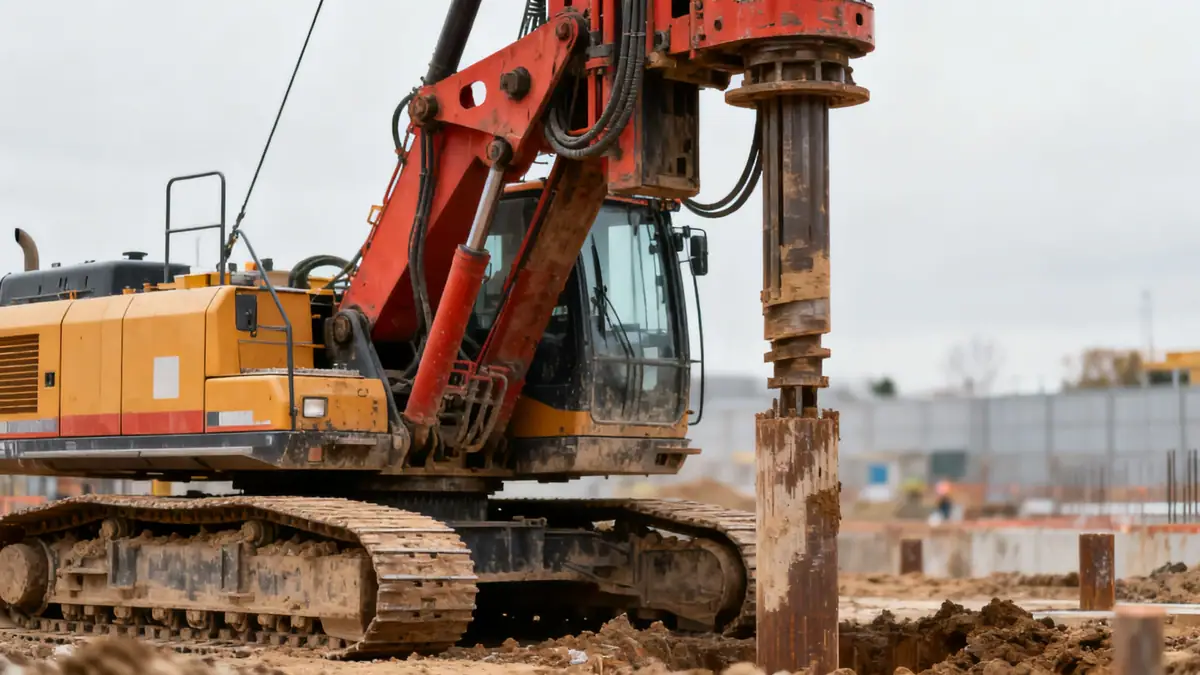
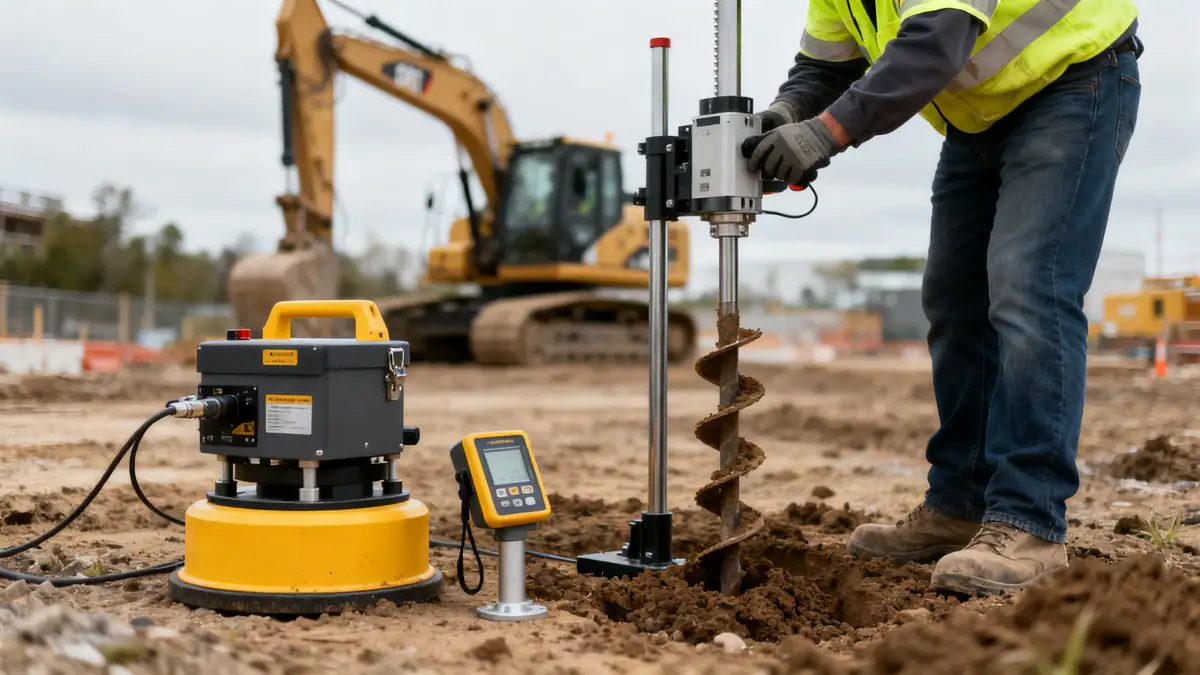
Our methodology for soil mechanics laboratory in Virginia Beach follows standardized procedures to characterize subsurface conditions. We employ drilling and sampling techniques per ASTM D1586 to obtain disturbed and undisturbed specimens, with SPT N-values recorded at 1.5-meter intervals. Laboratory testing includes classification, compaction, and strength assessments. Our integrated approach ensures that the data reflects the variable coastal geology, from loose sands to stiff clays. For more details, visit our soil mechanics laboratory page.
Reference Technical Parameters
| Parameter | Reference Value |
|---|---|
| Predominant soil type | Sands and silty sands with occasional clay lenses |
| Maximum seismic acceleration (PGA) | 0.15 g (ASCE 7-16, Site Class D) |
| Typical groundwater level | 1.5 to 3.0 m below ground surface |
| Bedrock depth | 30 to 60 m (coastal plain sediments) |
| Typical N60 range | 5 to 25 blows/0.3 m (loose to medium dense sands) |
Local Considerations — Virginia Beach
Virginia Beach lies within the Atlantic Coastal Plain, underlain by unconsolidated sediments of the Chesapeake Group. The shallow water table often requires dewatering for excavations. Seismic design per ASCE 7-16 uses Site Class D with a PGA of 0.15 g. Soil liquefaction potential exists in loose saturated sands. Our experience includes projects from the Oceanfront to Pungo. For reference, our soil mechanics laboratory en Philadelphia office handles similar coastal plain geology. Additionally, our granulometry & atterberg testing aids in classifying these variable soils.
Request a Quote
Our team reviews your project and issues an initial report at no cost.
Or write us directly at [email protected]
Services in Virginia Beach
Applicable Standards
- ASTM D1586 (Standard Penetration Test)
- ASCE 7-16 (Minimum Design Loads for Buildings)
- ASTM D2487 (Unified Soil Classification System)
- ASTM D698 (Standard Proctor Compaction)
Frequently Asked Questions
What are the typical soil types in Virginia Beach?
Soils in Virginia Beach are predominantly sands and silty sands of the Coastal Plain, with occasional clay seams. The shallow water table and loose sands require careful evaluation for foundation support and liquefaction potential.
How does seismic hazard affect soil testing in Virginia Beach?
Virginia Beach has a moderate seismic hazard with a PGA of 0.15 g per ASCE 7-16. Soil mechanics laboratory testing must assess liquefaction susceptibility and site class to inform design spectra and foundation performance.
Are geotechnical studies mandatory for construction in Virginia Beach?
While not always legally mandated, most local building codes require a geotechnical report for commercial and multi-family projects. Soil mechanics laboratory testing is essential for foundation design, especially in coastal zones with variable groundwater.