Methodology
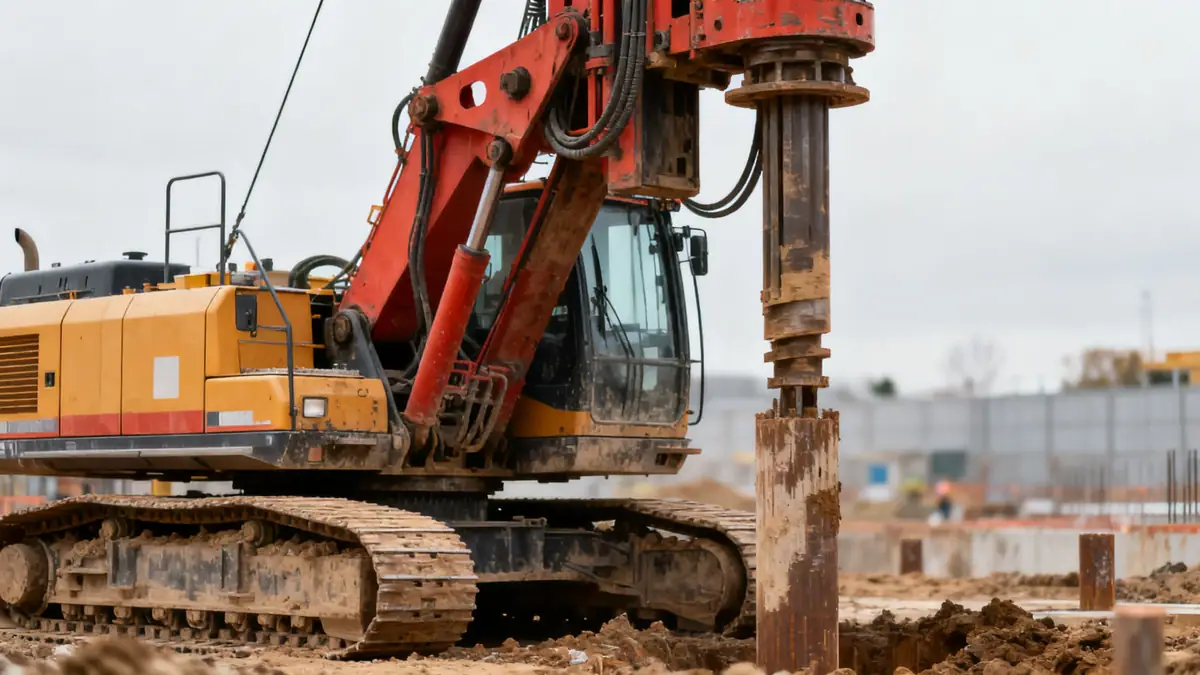
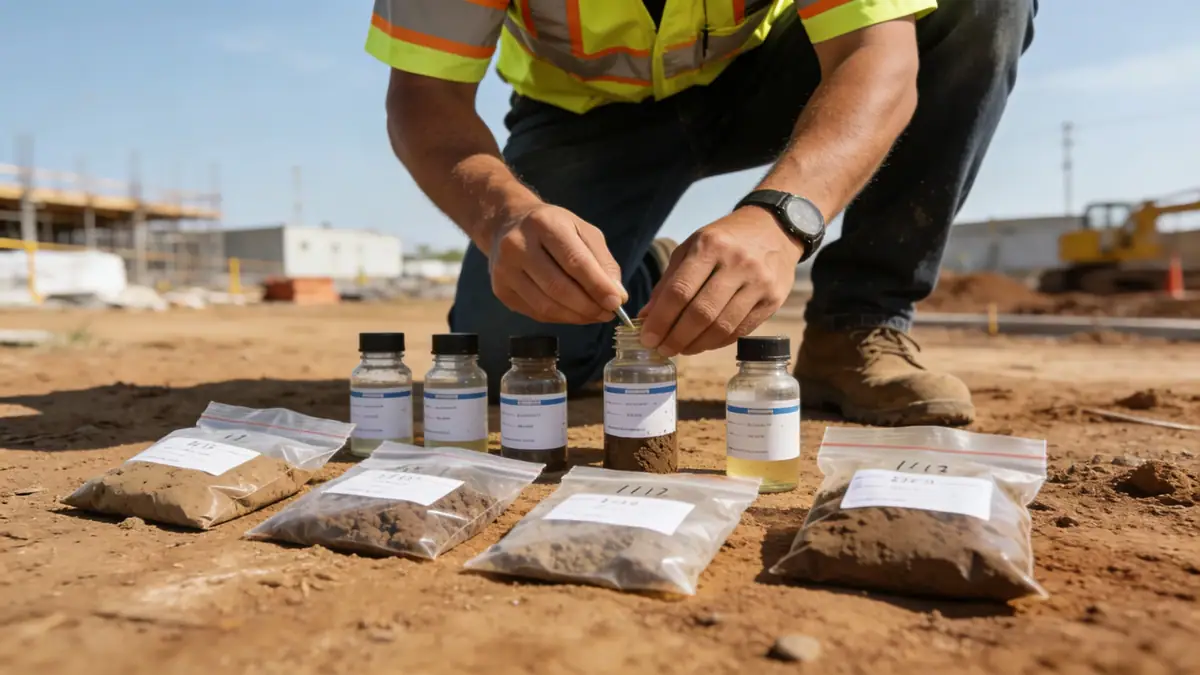
Our methodology in Tulsa follows a systematic approach to subsurface investigation, beginning with a review of existing geological maps and nearby project data. We conduct field investigations using standard penetration testing (SPT) per ASTM D1586, with sampling intervals typically every 1.5 meters to a depth of 10–15 meters for residential structures, and up to 30 meters for industrial projects. Our soil mechanics laboratory processes samples for classification, moisture content, and strength parameters. We utilize a combination of in-situ and laboratory tests to develop site-specific soil profiles. Data interpretation includes bearing capacity analysis and settlement estimates, ensuring our clients receive actionable recommendations. Our team emphasizes quality control throughout the process, from sample collection to reporting.
Reference Technical Parameters
| Parameter | Reference Value |
|---|---|
| Predominant soil type | Clay and silt with sand lenses |
| Maximum seismic acceleration (PGA) | 0.1–0.2 g (per USGS) |
| Typical groundwater level | 3–6 m below surface |
| Bedrock depth | 15–30 m (sandstone/shale) |
| Typical N60 range (SPT) | 5–25 blows/ft |
Local Considerations — Tulsa
Tulsa's geology is dominated by Pennsylvanian-aged shale and sandstone, with Quaternary alluvium along the Arkansas River. Expansive clays are common in the eastern parts of the city, posing risks for slab-on-grade foundations. Groundwater levels fluctuate seasonally, typically encountered at depths of 3–6 meters. The region is classified as moderate seismic hazard, with a maximum PGA of 0.1–0.2 g. Our team has observed contrasting soil conditions between the downtown area (stiffer, deeper bedrock) and suburban developments (thicker clay layers). Typical projects include residential subdivisions and commercial buildings, where we recommend granulometry & atterberg testing to identify swell potential. For seismic design, we reference ASCE 7 site classification based on shear wave velocity measurements.
Request a Quote
Our team reviews your project and issues an initial report at no cost.
Or write us directly at [email protected]
Services in Tulsa
Applicable Standards
- ASTM D1586 (Standard Penetration Test)
- ASTM D2487 (Unified Soil Classification)
- ASTM D4318 (Atterberg Limits)
- ASCE 7 (Minimum Design Loads for Buildings)
- IBC (International Building Code)
Frequently Asked Questions
What are the typical soil conditions in Tulsa?
Tulsa soils generally consist of clay, silt, and sand, with expansive clays prevalent in eastern areas. Alluvial deposits are found near the Arkansas River. Our laboratory provides testing to classify soils and assess their engineering properties, including swell potential and bearing capacity.
Is seismic design required in Tulsa?
Yes, Tulsa is in a moderate seismic zone per USGS. Buildings must comply with ASCE 7 seismic provisions. Our team evaluates site-specific seismic hazards, including peak ground acceleration and soil amplification, to inform design parameters.
Are geotechnical studies mandatory for construction in Tulsa?
While not always required for small residential projects, most commercial and multi-family developments necessitate a geotechnical report. Local building officials often request soil analysis to ensure foundation safety. Our laboratory provides the necessary data to meet code requirements.