Methodology
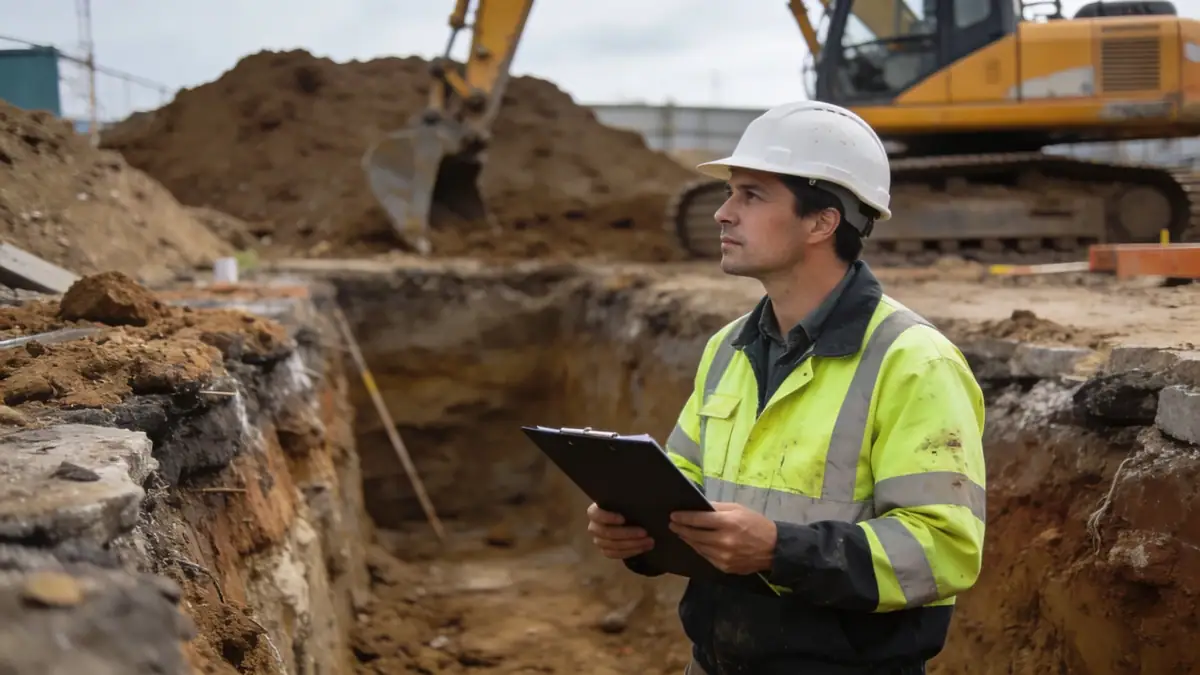
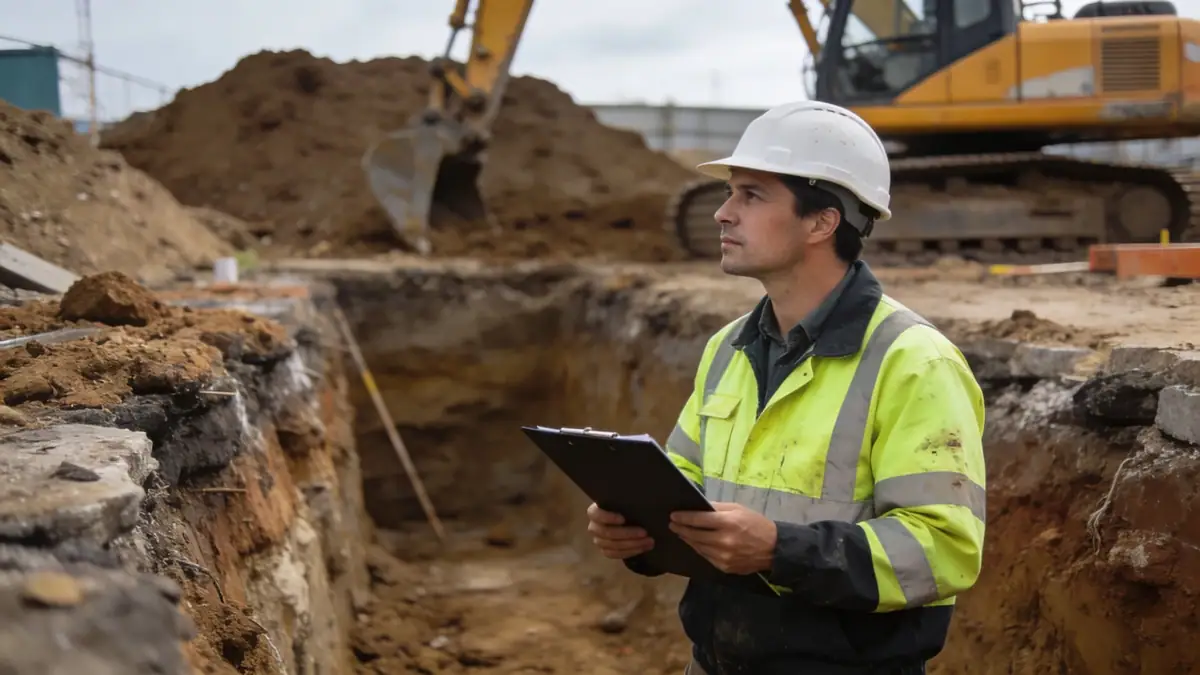
Our methodology in Trenton New Jersey begins with a thorough review of available geologic maps and prior subsurface data for the specific site. We then execute a field exploration program using standard penetration testing (SPT) per ASTM D1586, typically advancing borings to depths of 10 to 15 meters for low-rise structures and up to 30 meters for heavier loads. Samples are retrieved at 1.5-meter intervals and transported to our soil mechanics laboratory for classification, moisture content, and strength testing. For granular soils, we perform sieve analysis (ASTM D6913) and hydrometer tests (ASTM D7928) on fines. Cohesive soils undergo Atterberg limits (ASTM D4318) and unconfined compression tests. All data is synthesized into a formal geotechnical report with design recommendations. Our team follows strict chain-of-custody and quality assurance procedures.
Reference Technical Parameters
| Parameter | Reference Value |
|---|---|
| Predominant soil type | Alluvial silty sands and clays (Holocene) |
| Maximum seismic acceleration (PGA) | 0.20g (ASCE 7-16, Site Class D) |
| Typical groundwater level | 1.5 to 3.0 m below ground surface |
| Bedrock depth | Variable; 15 to 30 m (Triassic sandstone/shale) |
| Typical N60 range (SPT) | 4 to 20 blows/0.3 m (loose to medium dense sands) |
Local Considerations — Trenton New Jersey
Trenton lies within the Piedmont physiographic province, underlain by Triassic-age sedimentary rocks of the Newark Basin. The predominant surficial soils are alluvial deposits from the Delaware River, consisting of interlayered silty sands, clays, and gravels. Liquefaction potential is moderate in loose saturated sands during seismic events. The water table is shallow in low-lying areas, often within 1.5 to 3.0 m of the surface. Our team routinely evaluates these conditions using our soil mechanics laboratory services. For projects near the Delaware River, we recommend advanced cyclic testing. For comparison, our granulometry & atterberg analyses help distinguish between cohesive and granular layers. Beyond Trenton, our soil mechanics laboratory en Philadelphia team also serves the broader region with consistent protocols.
Request a Quote
Our team reviews your project and issues an initial report at no cost.
Or write us directly at [email protected]
Services in Trenton New Jersey
Applicable Standards
- ASTM D1586 (Standard Penetration Test)
- ASCE 7-16 (Minimum Design Loads and Associated Criteria for Buildings and Other Structures)
- ASTM D4318 (Atterberg Limits)
- ASTM D698 (Standard Proctor Compaction)
- ASTM D3080 (Direct Shear Test)
Frequently Asked Questions
What soil types are most common in Trenton New Jersey?
Trenton's subsurface is dominated by alluvial silty sands and clays deposited by the Delaware River, underlain by Triassic sedimentary bedrock. Glacial outwash deposits also occur in some areas. These variable conditions require site-specific soil mechanics laboratory testing to characterize strength and compressibility accurately.
Is seismic site classification required for buildings in Trenton?
Yes, under the New Jersey Uniform Construction Code (UCC) adopting ASCE 7-16, all structures must consider seismic site classification. Trenton falls within Seismic Design Category B or C depending on soil conditions. Our soil mechanics laboratory provides shear wave velocity measurements and SPT data to determine Site Class D or E as needed.
Are geotechnical studies mandatory for residential projects in Trenton?
Geotechnical studies are not universally mandated for single-family homes, but they are strongly recommended for any structure on fill, steep slopes, or near water. For commercial and multi-family buildings, the New Jersey building code typically requires a subsurface investigation. Our soil mechanics laboratory assists developers in complying with local regulations.