Methodology
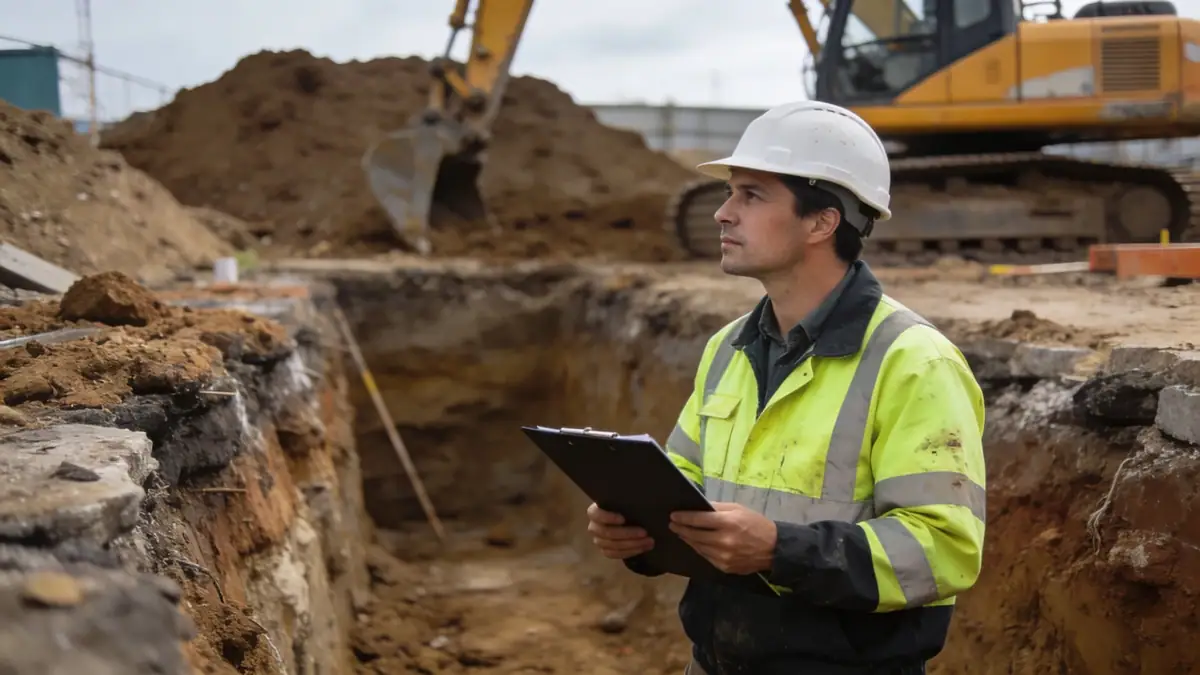
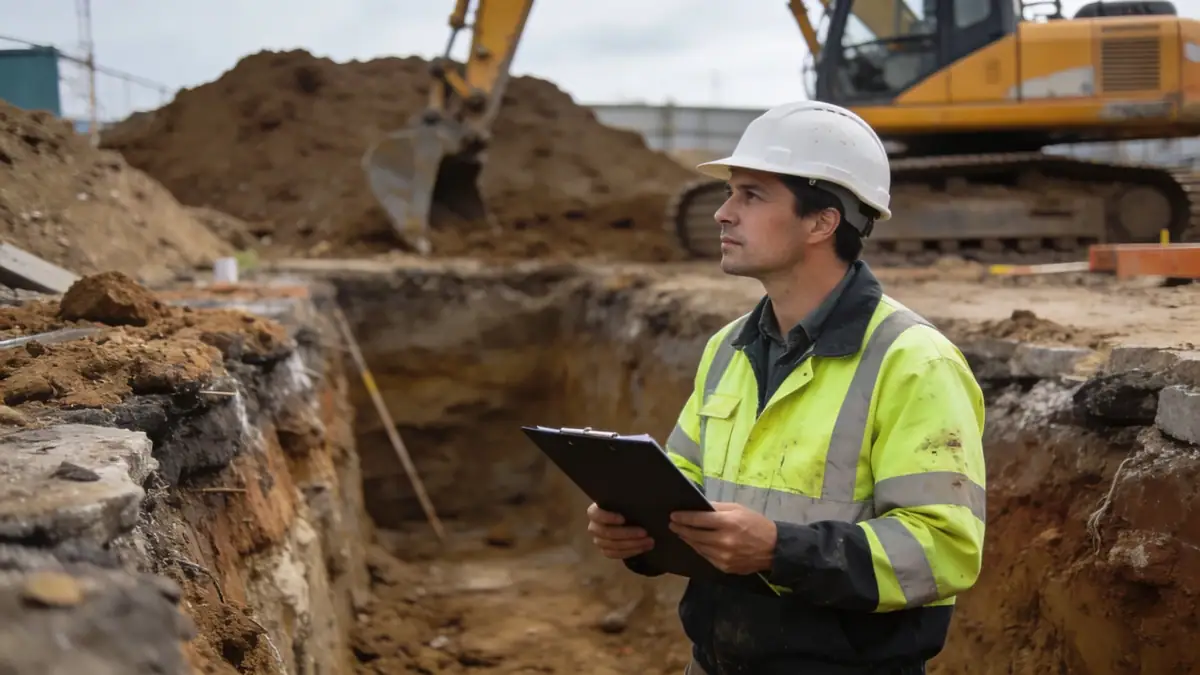
Our approach in Torrance begins with a thorough understanding of the site's subsurface conditions through field exploration and sampling, following ASTM D1586 for Standard Penetration Tests. Soil samples are transported to our soil mechanics laboratory for classification, strength, and consolidation testing. We employ index tests such as natural moisture content and Atterberg limits to characterize soil behavior, while direct shear and triaxial tests quantify shear strength parameters. For compaction control, Proctor tests are performed per ASTM D698 or D1557. Our methodology ensures that the laboratory data are representative of in-situ conditions and suitable for engineering analysis under local building codes.
Reference Technical Parameters
| Parameter | Reference Value |
|---|---|
| Predominant soil type | Silty sand and clay (Quaternary alluvium) |
| Maximum seismic acceleration (PGA) | 0.40g (ASCE 7-16 Site Class D) |
| Typical groundwater level | 3 to 9 meters below ground surface |
| Bedrock depth | Variable, >30 m in basin areas |
| Typical N60 range | 10 to 30 blows per 0.3 m |
Local Considerations — Torrance
The local geology of Torrance presents several key considerations for geotechnical work. The alluvial soils are generally granular near the surface but can include compressible clay layers at depth. Seismic site classification per ASCE 7 typically falls into Site Class D or E, requiring site-specific response spectra analysis. Groundwater levels fluctuate seasonally and with coastal influence; dewatering may be necessary for deep excavations. In older industrial areas, undocumented fill and potential contamination require careful sampling. For residential projects on sloping lots, creep and landslide potential must be evaluated. Our team coordinates with local agencies and references the California Building Code. For broader regional context, our soil mechanics laboratory en Los Angeles provides similar services across the basin.
Request a Quote
Our team reviews your project and issues an initial report at no cost.
Or write us directly at [email protected]
Services in Torrance
Applicable Standards
- ASTM D1586 (Standard Penetration Test)
- ASCE 7 (Minimum Design Loads for Buildings and Other Structures)
- California Building Code (CBC) – Seismic Provisions
- ASTM D2487 (Unified Soil Classification System)
- ASTM D698 / D1557 (Proctor Compaction Tests)
Frequently Asked Questions
What soil types are most common in Torrance?
Torrance soils are primarily Quaternary alluvium consisting of silty sands, clayey sands, and low-plasticity clays. Older terrace deposits may contain more consolidated materials. The soil profile varies with location, often exhibiting interbedded layers due to historical deposition from streams and coastal processes.
How does seismic activity in Torrance affect soil laboratory testing?
Torrance is in a seismically active region; laboratory tests must evaluate liquefaction potential and dynamic soil properties. Cyclic triaxial or simple shear tests may be required to determine shear modulus degradation and damping ratios. These data are essential for site response analysis per ASCE 7.
Are geotechnical studies mandatory for construction in Torrance?
Yes, the California Building Code requires a geotechnical investigation for most new structures and additions. The study must include soil classification, bearing capacity, settlement analysis, and seismic hazards. Local jurisdictions may have additional requirements for hillside areas or near fault zones.