Methodology
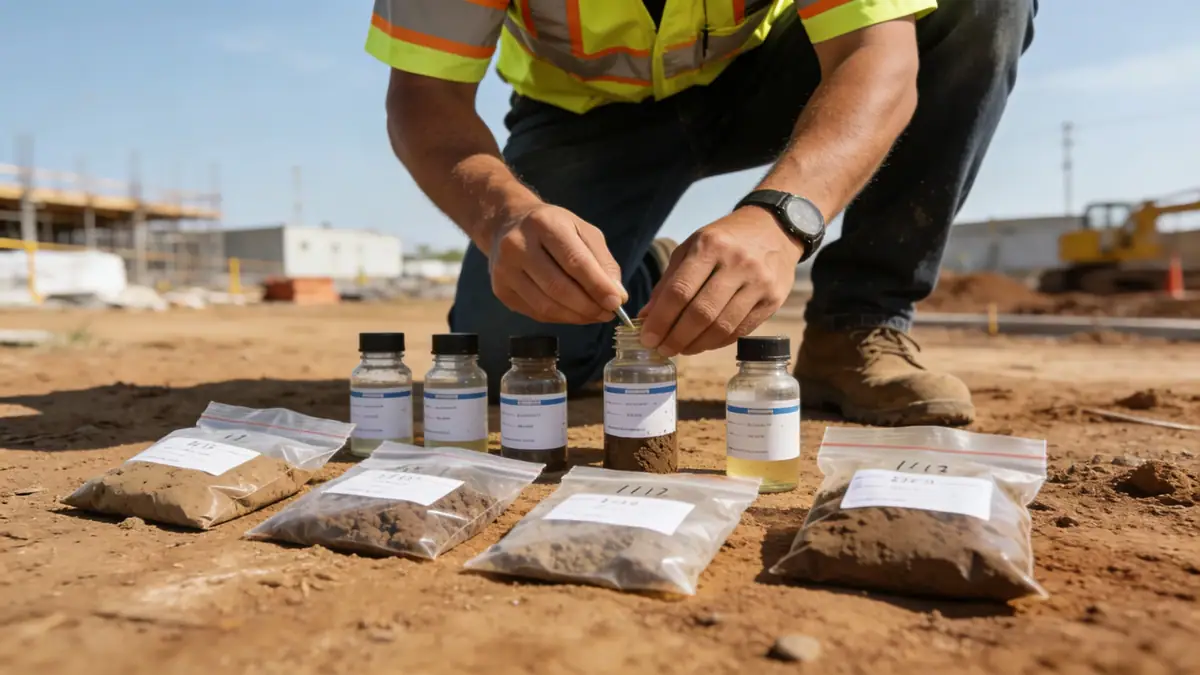
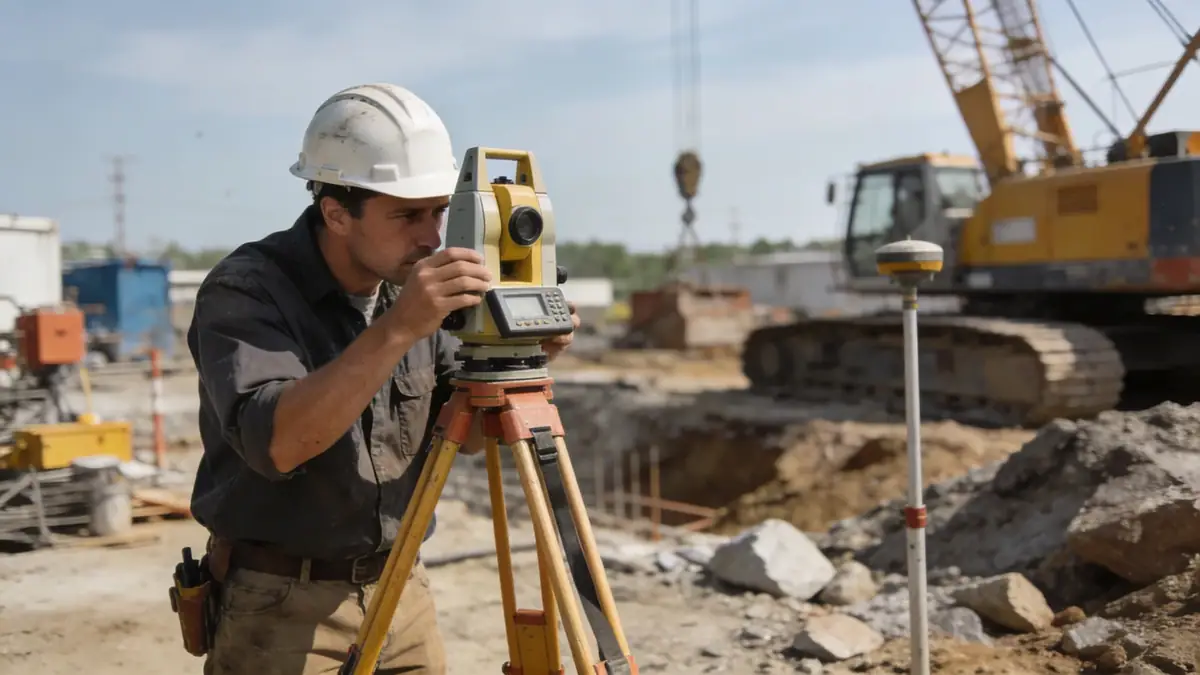
Our methodology for soil mechanics laboratory in Tampa follows ASTM D1586 for standard penetration testing (SPT) at 1.5 m intervals, reaching depths of 15 m typical for residential structures. We also employ ASTM D6913 for grain size analysis and ASTM D4318 for Atterberg limits. For detailed site characterization, our soil mechanics laboratory team integrates CPT soundings and undisturbed sampling. This comprehensive approach ensures accurate classification of Tampa's varied soil profiles, from coastal sands to inland clays.
Reference Technical Parameters
| Parameter | Reference Value |
|---|---|
| Predominant soil type | SP, SM, SC (sand with silt/clay) |
| Maximum seismic acceleration (PGA) | 0.15g (ASCE 7-22) |
| Typical groundwater level | 2–5 m below grade |
| Bedrock depth | 10–30 m (limestone) |
| Typical N60 range (SPT) | 5–30 blows/0.3 m |
Local Considerations — Tampa
Tampa sits atop the Floridan Aquifer, with groundwater levels typically 2–5 m below surface. Predominant soils include poorly graded sands (SP) and silty sands (SM) in coastal areas, and clayey sands (SC) inland. Seismic hazard per ASCE 7 is moderate (PGA ~0.15g), requiring Site Class D or E determination. Foundation challenges arise from sinkhole-prone limestone and soft organic deposits near Hillsborough Bay. For specialized analysis, our granulometry & atterberg services support soil classification. Local regulations mandate geotechnical reports for structures over three stories, referencing ASTM D1586 and IBC 2021. Our team coordinates with Tampa's building department to streamline approvals.
Request a Quote
Our team reviews your project and issues an initial report at no cost.
Or write us directly at [email protected]
Services in Tampa
Applicable Standards
- ASTM D1586 (Standard Penetration Test)
- ASTM D6913 (Particle Size Distribution)
- ASTM D4318 (Atterberg Limits)
- ASCE 7-22 (Minimum Design Loads)
- Florida Building Code 2023 (Chapter 18)
Frequently Asked Questions
What soil types are common in Tampa?
Tampa soils are predominantly sands (SP, SM, SC) with varying silt and clay content. Coastal areas feature loose sands, while inland zones contain clayey sands and limestone bedrock. Organic deposits exist near rivers and bays.
Is seismic analysis required for Tampa projects?
Yes, per ASCE 7-22, Tampa is in Seismic Design Category B or C with PGA ~0.15g. Site-specific seismic analysis is mandatory for critical facilities and structures over three stories to determine Site Class and liquefaction potential.
Are geotechnical studies mandatory in Tampa?
The Florida Building Code requires geotechnical investigations for most new constructions, especially those with shallow foundations, deep foundations, or retaining walls. Local jurisdictions may enforce stricter rules for sinkhole-prone areas.