Methodology
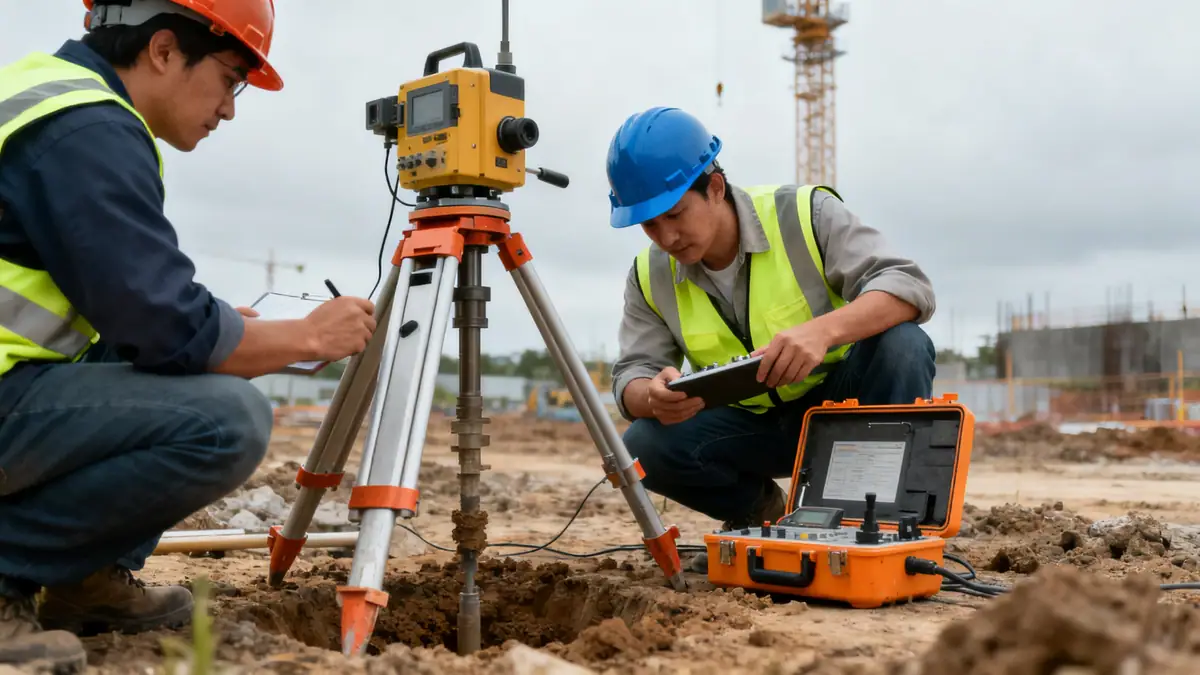
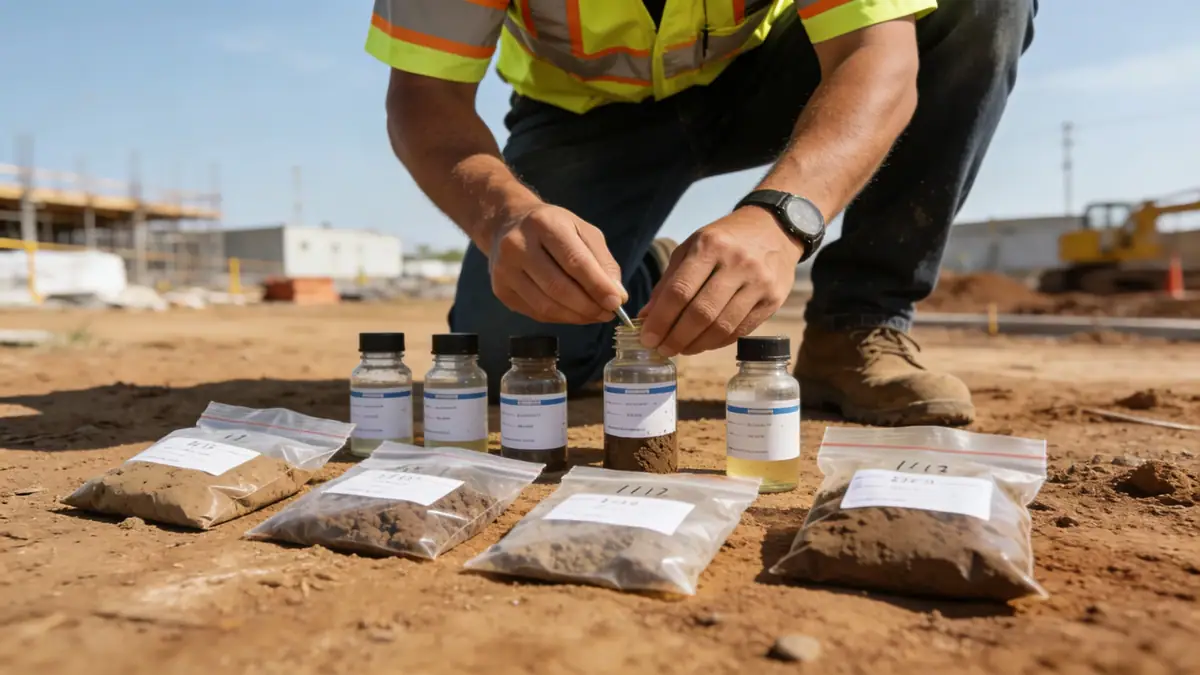
Our methodology for soil mechanics laboratory investigations in Sunnyvale follows a phased approach aligned with ASTM and California Geological Survey guidelines. Initial site reconnaissance and review of existing geotechnical reports inform a targeted drilling program using hollow-stem augers and SPT samplers per ASTM D1586. Sampling intervals of 1.5 m are standard, with continuous sampling in critical zones. Laboratory testing includes grain size distribution (ASTM D6913), Atterberg limits (ASTM D4318), and direct shear (ASTM D3080). All data are interpreted using site-specific correlations and regional experience. For comprehensive insight, we integrate our findings with the soil mechanics laboratory framework to deliver reliable soil parameters for design.
Reference Technical Parameters
| Parameter | Reference Value |
|---|---|
| Predominant soil type | Alluvial silty clay and sandy silt, with interbedded gravel layers |
| Maximum seismic acceleration (PGA) | 0.4g–0.6g (ASCE 7-16, Site Class D) |
| Typical groundwater level | 2–5 m below ground surface (variable seasonally) |
| Bedrock depth | 10–30 m (Franciscan Complex or Santa Clara Formation) |
| Typical N60 range (SPT) | 4–15 blows/0.3 m in upper 6 m; 15–30 below |
Local Considerations — Sunnyvale
Sunnyvale lies within the Santa Clara Valley, underlain by deep alluvial deposits from Coyote Creek and Calabazas Creek. The water table is shallow (2–5 m), requiring dewatering considerations for excavations. Seismic hazard is high due to the San Andreas and Hayward faults, with peak ground accelerations up to 0.6g per ASCE 7-16. Liquefaction potential is elevated in areas with loose sandy soils and high groundwater, particularly near the baylands. Our team routinely evaluates these conditions for local projects. For specialized testing, we coordinate with granulometry & atterberg services to characterize fines behavior under seismic loading.
Request a Quote
Our team reviews your project and issues an initial report at no cost.
Or write us directly at [email protected]
Services in Sunnyvale
Applicable Standards
- ASTM D1586 – Standard Penetration Test (SPT)
- ASCE 7-16 – Minimum Design Loads for Buildings (seismic criteria)
- California Building Code (CBC) 2022, Chapter 18 – Soils and Foundations
- ASTM D2487 – Unified Soil Classification System (USCS)
- California Geological Survey Note 48 – Checklist for Geotechnical Reports
Frequently Asked Questions
What soil types are commonly encountered in Sunnyvale?
Sunnyvale's subsurface primarily consists of alluvial silty clays, sandy silts, and interbedded gravel layers. These soils originate from historic creek deposits and bay sediments. The upper 6 m often exhibit low N60 values (4–15), indicating loose to medium dense conditions, while deeper layers become denser. Groundwater is typically shallow, influencing soil behavior.
How do seismic regulations affect soil testing requirements in Sunnyvale?
Sunnyvale is in Seismic Design Category D per ASCE 7-16, requiring site-specific ground motion analyses. Peak ground acceleration can reach 0.6g. Soil liquefaction and cyclic softening must be evaluated for all significant structures. Our laboratory performs cyclic direct shear and consolidation tests to assess these risks under applicable norms.
Is a geotechnical investigation mandatory for construction in Sunnyvale?
Yes, for most new buildings and additions per the California Building Code (CBC) Chapter 18. The city requires a geotechnical report addressing soil bearing capacity, settlement, liquefaction, and lateral earth pressures. Our soil mechanics laboratory provides the necessary testing and documentation to meet these regulatory requirements.