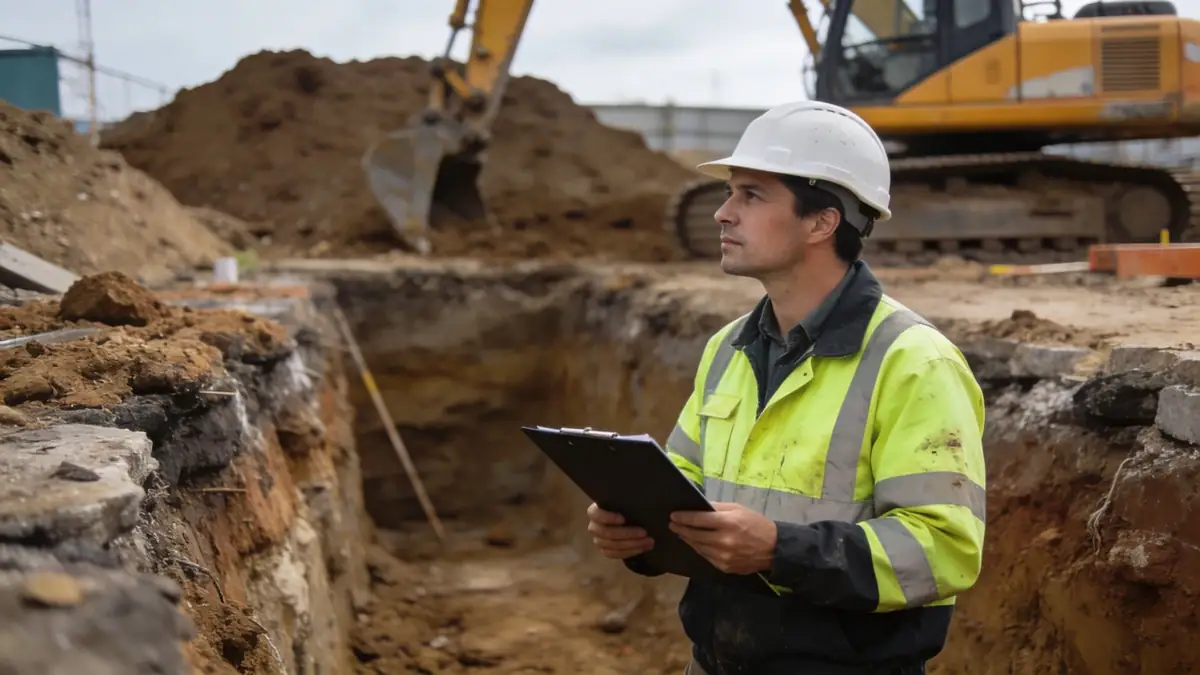
Methodology
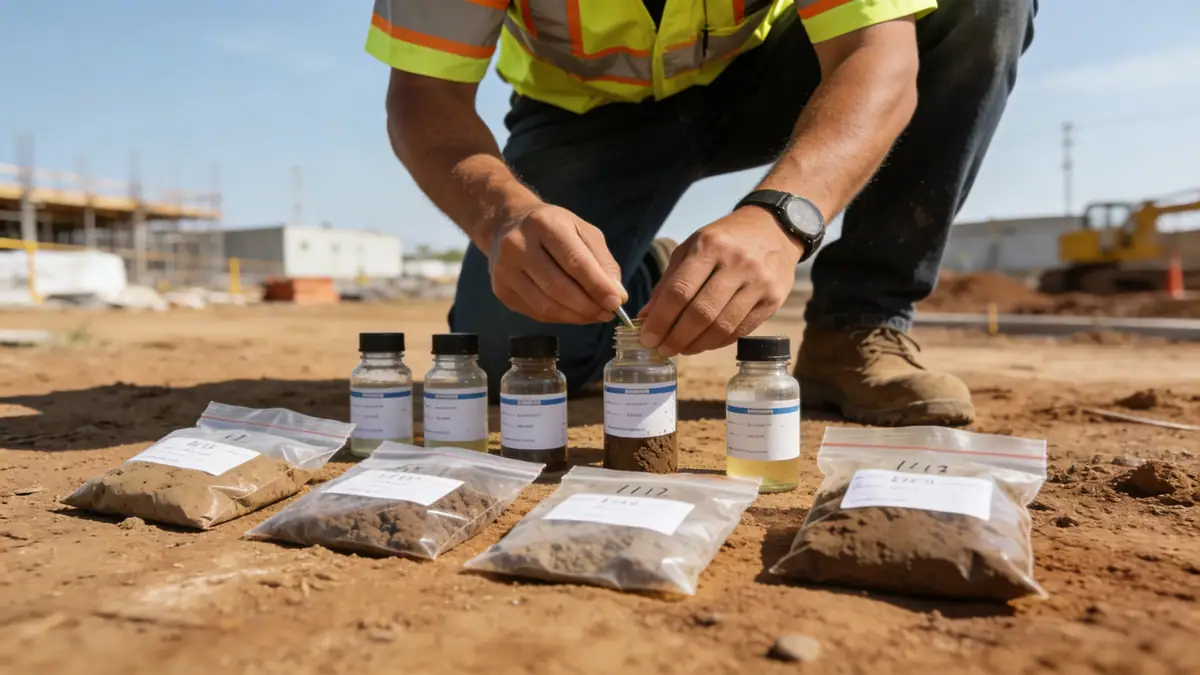
Our methodology in Savannah, Georgia, adheres to ASTM standards, including ASTM D1586 for standard penetration testing, to characterize subsurface conditions. We emphasize continuous sampling and in-situ testing to capture the variability of coastal plain soils. For detailed analysis, we employ our soil mechanics laboratory capabilities, which include advanced triaxial and consolidation testing. This approach allows us to provide reliable data for foundation design, slope stability, and pavement evaluation, all tailored to the local geological context.
Reference Technical Parameters
| Parameter | Reference Value |
|---|---|
| Predominant soil type | Sand, silty sand, and clay (Hawthorne Formation) |
| Maximum seismic acceleration (PGA) | 0.12g (ASCE 7-16, Site Class D) |
| Typical groundwater level | 1.5–3.0 m below ground surface |
| Bedrock depth | 30–60 m (Tertiary limestone) |
| Typical N60 range | 5–30 blows/0.3 m (sand to stiff clay) |
Local Considerations — Savannah Georgia
Savannah's coastal geology features loose sands and soft clays near the surface, often requiring deep foundations for heavy structures. The high water table (1.5–3 m) can complicate excavations and necessitate dewatering plans. Seismic design follows ASCE 7-16 with a PGA of 0.12g, though liquefaction potential exists in saturated loose sands. Historic districts (e.g., Savannah Historic Landmark District) impose strict vibration limits during sampling. Our team coordinates with local authorities to navigate these constraints. For broader regional context, see our soil mechanics laboratory en Atlanta page for comparative insights.
Request a Quote
Our team reviews your project and issues an initial report at no cost.
Or write us directly at [email protected]
Services in Savannah Georgia
Applicable Standards
- ASTM D1586
- ASCE 7-16
- Georgia Soil and Water Conservation Commission guidelines
- IBC (International Building Code)
Frequently Asked Questions
What soil types are commonly found in Savannah, Georgia?
Savannah's soils are predominantly sands, silty sands, and clays from the Hawthorne Formation, with occasional organic deposits. The top layer often consists of loose sands, underlain by stiff clays at depths of 6–15 meters. These variations require site-specific testing for accurate foundation design.
Is seismic design required for projects in Savannah, Georgia?
Yes, per ASCE 7-16, Savannah falls in Seismic Design Category B, with a PGA of 0.12g. While moderate, seismic considerations are mandatory for most structures. Our firm evaluates liquefaction potential and dynamic soil properties to meet code requirements.
Are soil mechanics studies mandatory for construction in Savannah?
While not always legally mandated for all projects, most building permits require a geotechnical report per IBC guidelines. Lenders and insurers often demand soil testing for risk assessment. Our studies help optimize foundation costs and ensure compliance.