Methodology
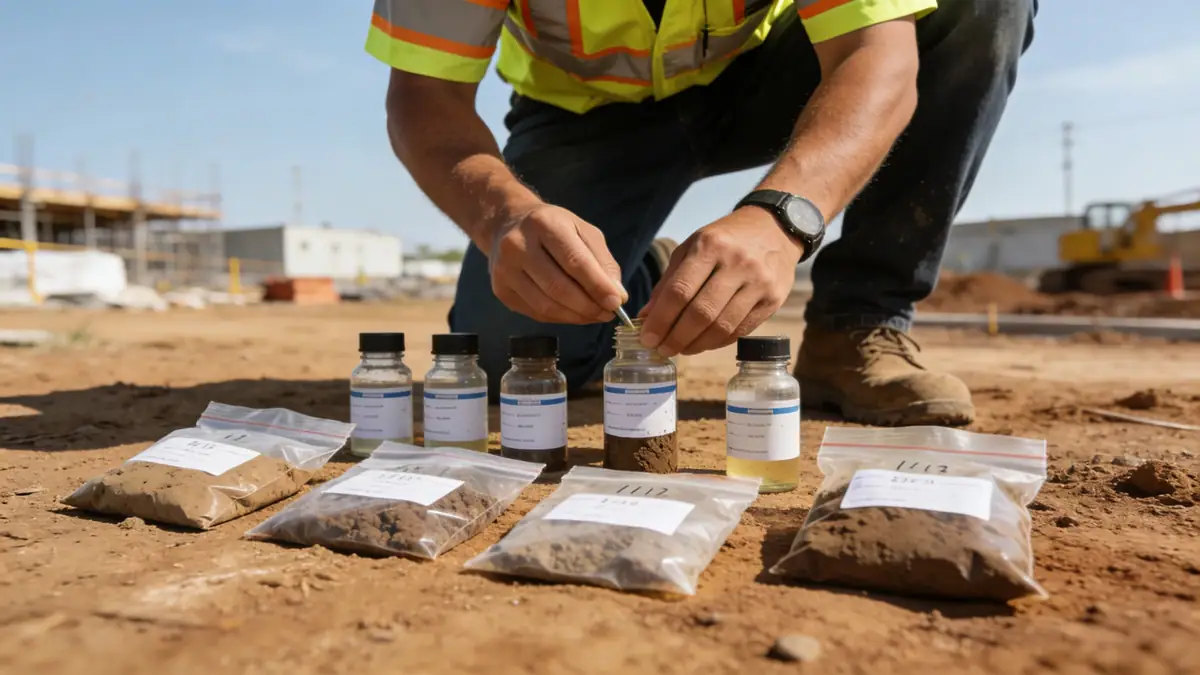
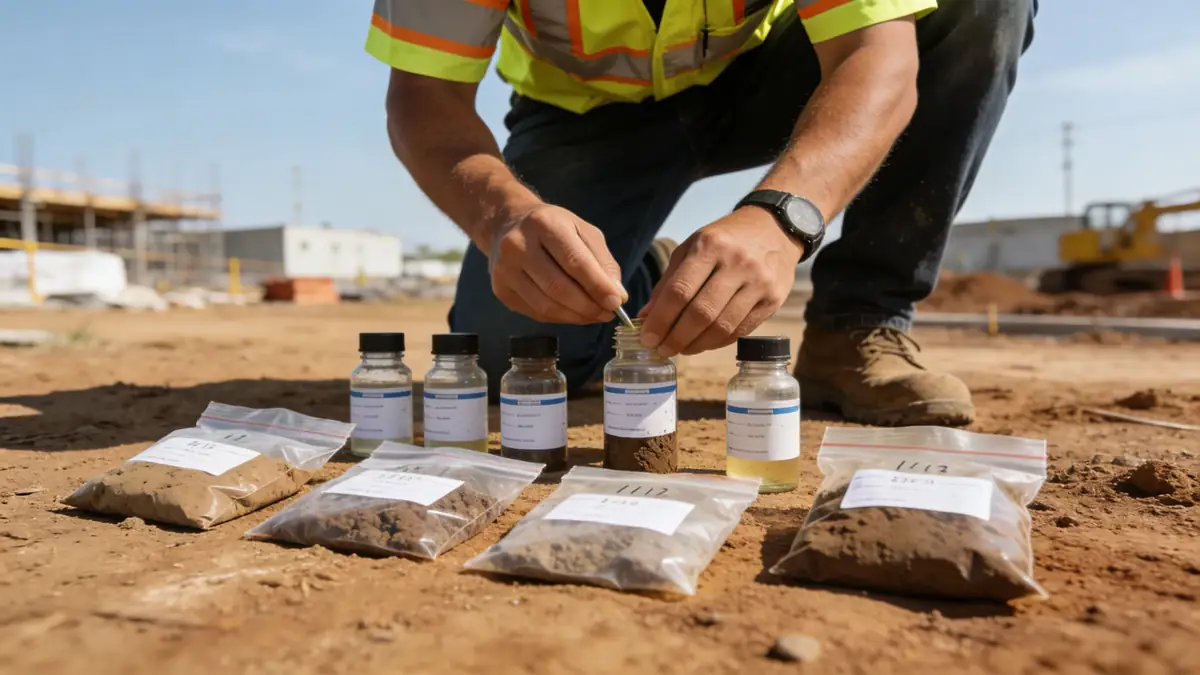
Our methodology for soil mechanics laboratory in Santa Rosa begins with a thorough review of existing geologic maps and borehole data. We then execute a site-specific exploration program using standard penetration testing (ASTM D1586) and undisturbed sampling. Laboratory tests include index properties, strength, and consolidation, all performed by our experienced technicians. Data is interpreted using established correlations and local experience to develop geotechnical parameters. We prioritize clear communication of findings through detailed reports and are available for consultation during design and construction. For more about our general approach, visit our soil mechanics laboratory page.
Reference Technical Parameters
| Parameter | Reference Value |
|---|---|
| Predominant soil type | Silty sand and gravel (alluvial/colluvial) |
| Maximum seismic acceleration (PGA) | 0.4g - 0.6g (Site Class D/E) |
| Typical groundwater level | 5 - 15 ft below grade |
| Bedrock depth | 50 - 200 ft (Franciscan Complex) |
| Typical N60 range | 10 - 40 blows/ft |
Local Considerations — Santa Rosa
Santa Rosa's geology is dominated by Quaternary alluvium and older terrace deposits, underlain by the Franciscan Complex. The region is seismically active, with several active faults including the Rodgers Creek Fault. Liquefaction and lateral spreading hazards exist in low-lying areas near Santa Rosa Creek. Our team has extensive experience with these conditions, having executed numerous projects in the area. For detailed laboratory testing, we offer granulometry & atterberg services. Additionally, our main office in Los Angeles provides regional support; learn more about soil mechanics laboratory en Los Angeles.
Request a Quote
Our team reviews your project and issues an initial report at no cost.
Or write us directly at [email protected]
Services in Santa Rosa
Applicable Standards
- ASTM D1586 (Standard Penetration Test)
- ASCE 7-22 (Minimum Design Loads for Buildings)
- California Building Code (CBC) 2022
- ASTM D2487 (Unified Soil Classification System)
- ASTM D3080 (Direct Shear Test)
- ASTM D2435 (One-Dimensional Consolidation)
Frequently Asked Questions
What are the typical soil types found in Santa Rosa?
Santa Rosa soils are predominantly silty sands and gravels from alluvial and terrace deposits. In western areas, clayey soils from Sonoma Volcanics may occur. Deeper layers often consist of weathered Franciscan bedrock. Our soil mechanics laboratory can classify and characterize these materials for your project.
How does seismic activity affect foundation design in Santa Rosa?
Santa Rosa is in Seismic Zone 4 per the CBC, with peak ground accelerations up to 0.6g. Site-specific seismic hazard analysis is required for most structures. Our team performs site response analysis and liquefaction evaluation to determine design accelerations and foundation recommendations.
Are geotechnical investigations mandatory for construction permits in Santa Rosa?
Yes, the City of Santa Rosa requires a geotechnical report for most new buildings and additions, especially in liquefaction or landslide hazard zones. The report must address soil bearing capacity, settlement, seismic design parameters, and corrosion potential. Our soil mechanics laboratory provides compliant studies.