Methodology

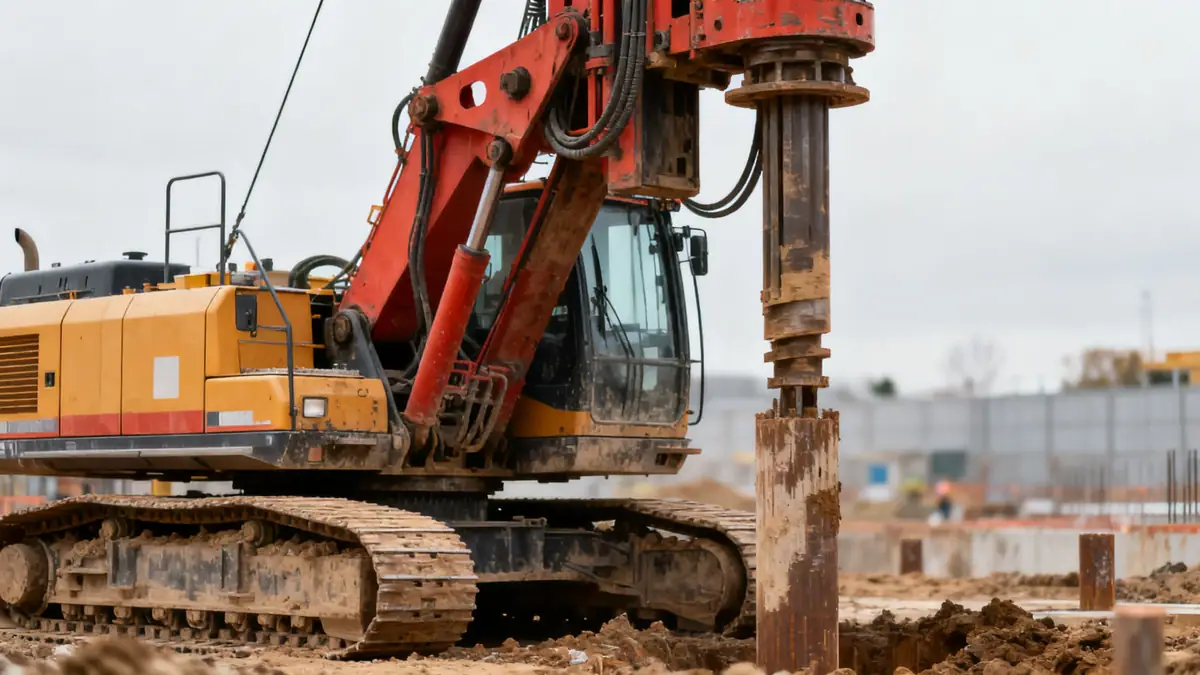
Our methodology for soil mechanics laboratory in Santa Clarita follows standardized protocols, including ASTM D1586 for Standard Penetration Tests. We conduct borehole drilling, sampling, and in-situ testing to characterize subsurface conditions. Samples are analyzed for grain size distribution (ASTM D6913), Atterberg limits (ASTM D4318), compaction (ASTM D698), and shear strength (ASTM D3080). Our team integrates geophysical surveys and groundwater monitoring to assess liquefaction potential and settlement. For comprehensive analysis, we coordinate with our soil mechanics laboratory services to deliver reliable geotechnical reports tailored to Santa Clarita's regulatory framework.
Reference Technical Parameters
| Parameter | Reference Value |
|---|---|
| Predominant soil type | Alluvial sands and silty clays |
| Maximum seismic acceleration (PGA) | 0.4g (ASCE 7-16) |
| Typical groundwater level | 10–20 m below surface |
| Bedrock depth | 15–30 m (Tertiary sedimentary rock) |
| Typical N60 range | 10–30 blows/ft |
Local Considerations — Santa Clarita
Santa Clarita's geology is dominated by alluvial fans and fluvial deposits from the Santa Clara River, underlain by Tertiary sedimentary bedrock. Seismic hazard is significant due to the San Andreas and San Gabriel faults, requiring site-specific response analysis per ASCE 7. Local groundwater levels vary seasonally, impacting excavation and foundation design. Our team addresses these conditions through targeted investigations, referencing regional case histories. For related services, see our granulometry & atterberg offerings. We also maintain a strong presence in soil mechanics laboratory en Los Angeles, leveraging cross-regional insights.
Request a Quote
Our team reviews your project and issues an initial report at no cost.
Or write us directly at [email protected]
Services in Santa Clarita
Applicable Standards
- ASTM D1586
- ASCE 7-16
- California Building Code (CBC)
- ASTM D6913
- ASTM D4318
Frequently Asked Questions
What soil types are common in Santa Clarita?
Santa Clarita predominantly features alluvial sands, silts, and clays from the Santa Clara River system. These deposits can be interbedded with gravel layers and are underlain by sedimentary bedrock. Understanding these variations is crucial for foundation design and seismic analysis.
How does seismic activity affect soil testing in Santa Clarita?
Santa Clarita lies in a seismically active region near the San Andreas Fault. Soil mechanics laboratory tests must evaluate liquefaction potential, dynamic shear modulus, and site amplification. ASCE 7-16 provides seismic design criteria, and our team incorporates these into site-specific assessments.
Are soil studies mandatory for construction in Santa Clarita?
Yes, the California Building Code requires geotechnical investigations for most new construction, especially in seismic zones. Projects involving foundations, retaining walls, or earthworks must submit a soil report to obtain building permits. Our firm provides compliant studies for Santa Clarita.